Napa and Sonoma harvest comes in early and light
California's North Coast picked its earliest grapes in four decades this year, with Napa Sauvignon Blanc prices spiking and Pinot Noir yields down by more than half.
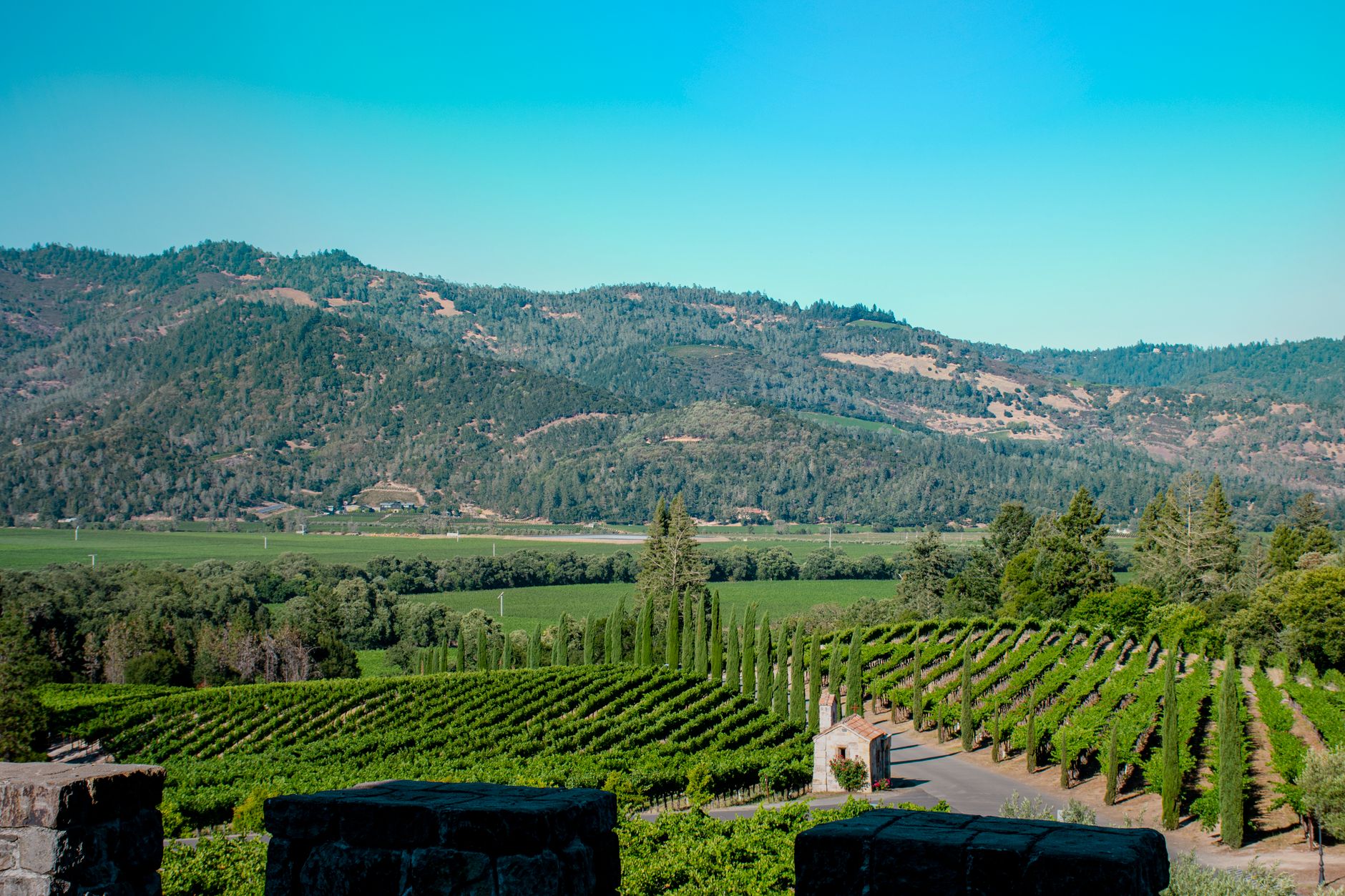
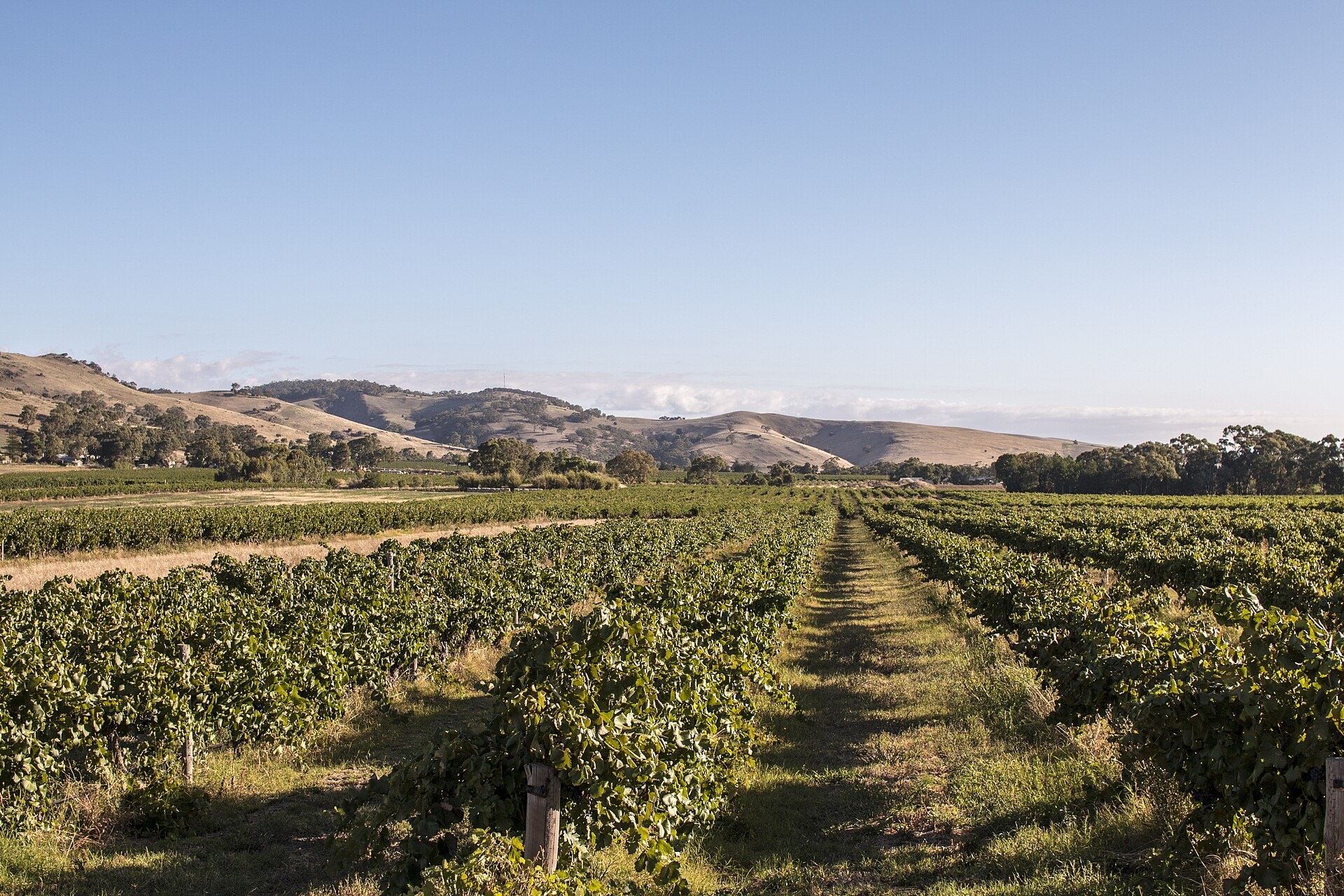
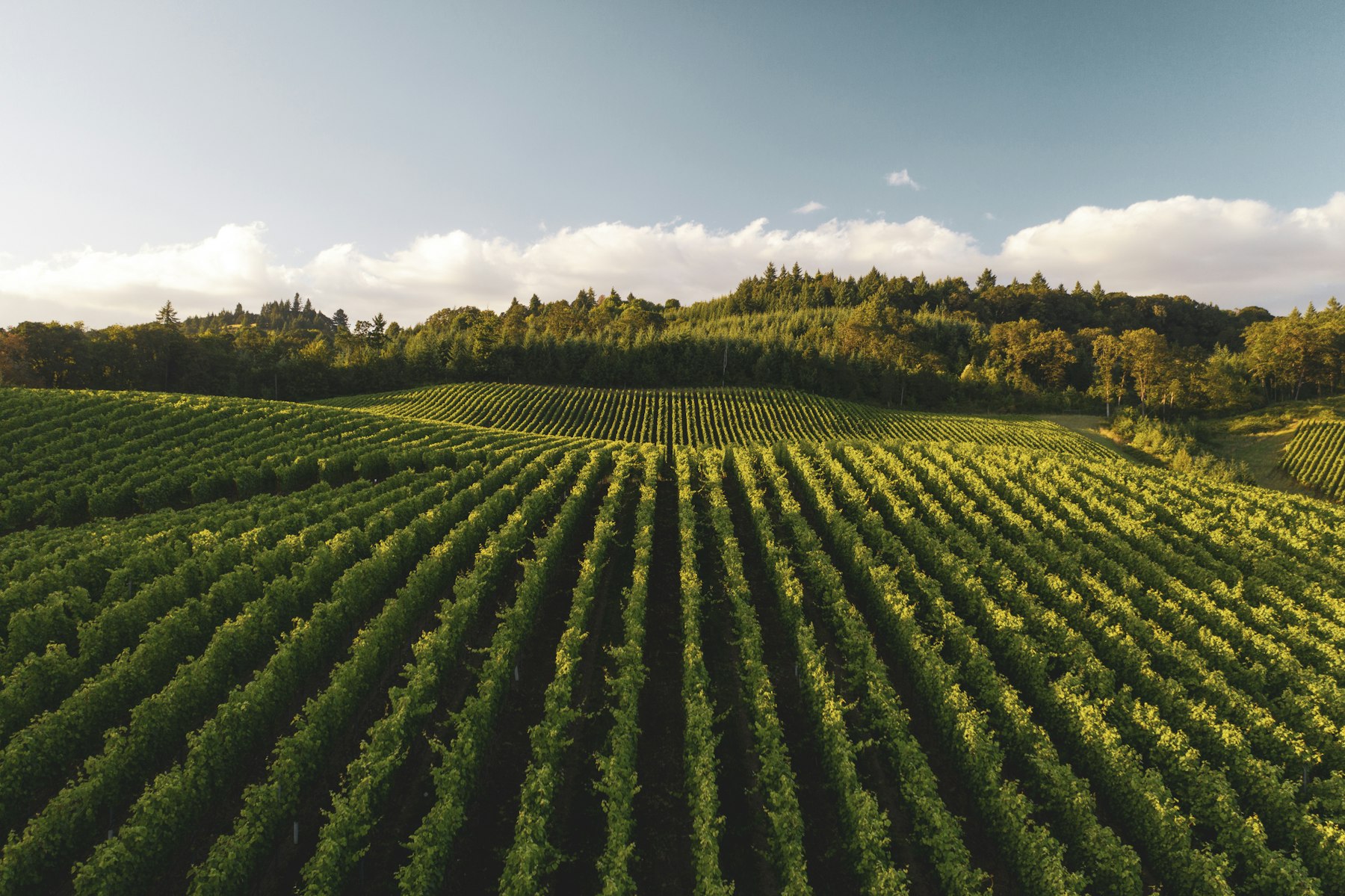
Napa and Sonoma growers picked the earliest North Coast harvest in 40 years this September, wrapping most of their Sauvignon Blanc, working through Pinot Noir and starting Cabernet Sauvignon weeks ahead of a normal year.
By September 7, Sauvignon Blanc was largely in, Pinot Noir was nearing completion and Chardonnay was arriving at wineries, according to growers and brokers tracking the North Coast picking season. Cabernet Sauvignon, usually the last variety off the vine, had already begun.
The crop is light as well as early. Pinot Noir yields are down sharply across Sonoma County, with Russian River Valley blocks that normally produce 3 to 5 tons an acre coming in at 1 to 1.5 tons this year.
A lot of worry and a lot of concern on both sides of the fence, the growers and the wineries.
Sauvignon Blanc prices split by county
Scarcity pushed Napa Sauvignon Blanc prices nearly $1,000 a ton above the county's 2025 average of $3,125, as wineries competed for the last available fruit. Once Napa supply ran out, buyers moved into Sonoma County and largely cleared what remained there at close to last year's district average of $1,871 a ton.
"A lot of worry and a lot of concern on both sides of the fence, the growers and the wineries," said Christian Klier, a North Coast grape broker with Turrentine Brokerage, describing the mood heading into the final weeks of picking.
Labour costs cloud the picture
The harvest is moving under a cloud of labour uncertainty. On August 26, a federal judge ruled the Department of Labor's October 2025 wage-setting rule for H-2A farm workers unlawful, after the United Farm Workers argued it could have cut wages by $3 to $7 an hour. Current rates stay in effect for now, but employers may owe back-pay adjustments once a new wage methodology is issued, and are being told to keep worker contact details on file.
Compliance costs were already climbing before the ruling. Cal Poly studies cited by growers put regulatory costs at $1,131 to $1,745 an acre a year, 8 to 12.5 percent of vineyard production costs, and around $204,000 a year, or 17.5 percent of costs, for a small winery producing 8,500 cases.
The lighter 2026 crop is, in one respect, welcome news: after pandemic-era overplanting left the North Coast with a persistent grape glut that saw Sonoma County's wine grape value fall 17 percent in 2025, a smaller harvest is helping wineries work through backlogged inventory. California's overall winegrape harvest could be 80 percent complete by late September, well ahead of the usual pace, leaving growers and buyers to finish contract talks on a tighter-than-usual clock.
Cabernet Sauvignon picking is expected to run into October across the valley floor, with the wage methodology dispute likely to outlast it.
Sources
- The Press Democrat · 2026-09-07
- Vinetur · 2026-09-14