South Australia wine industry gets A$109m rescue package
Growers can borrow up to A$500,000 each, repayment-free for two years, to move out of unviable vineyards after the state's smallest grape crush since 2000.
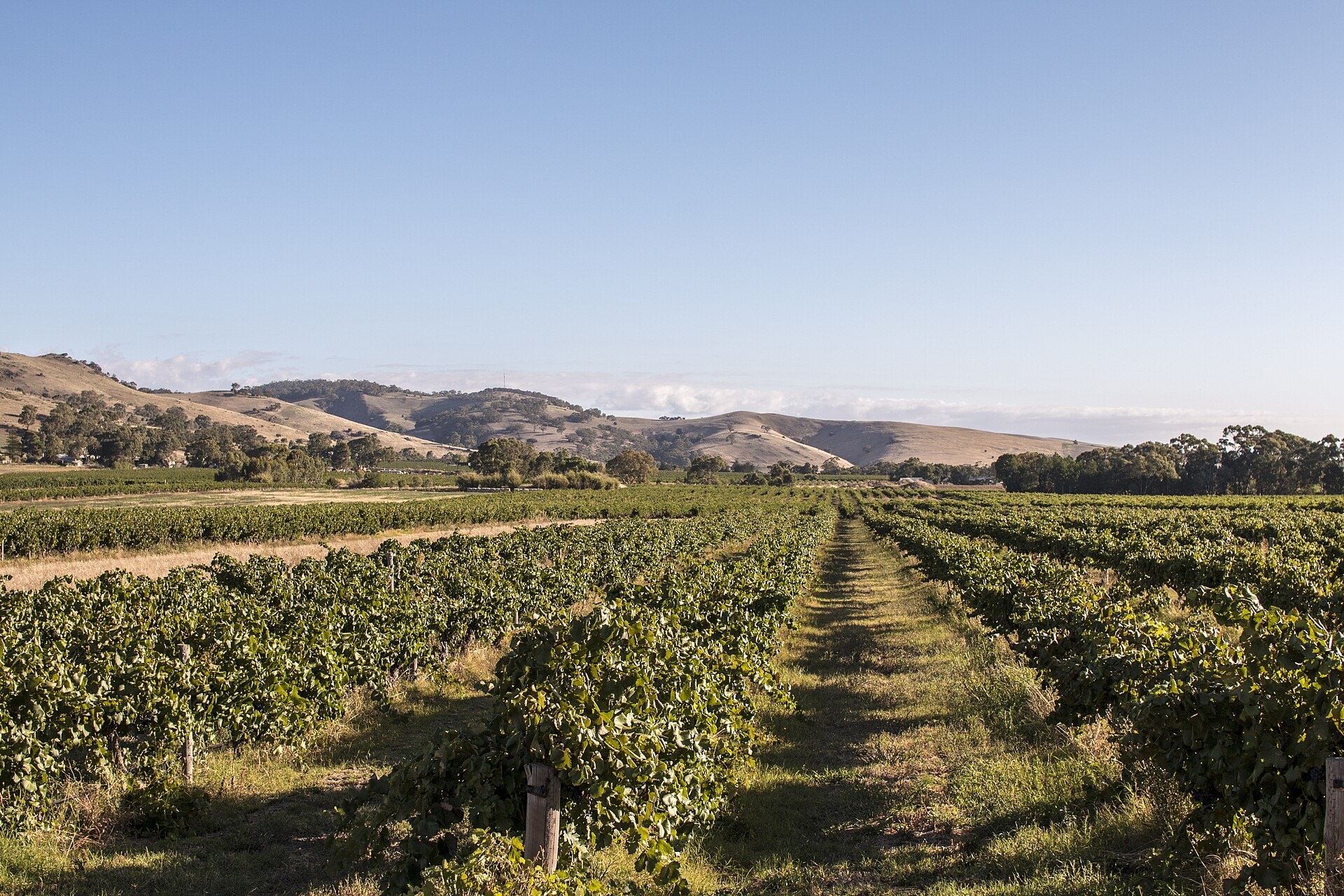
The South Australia wine industry will receive a A$109m support package, most of it in loans that help growers leave unprofitable vineyards and switch to other crops, Premier Peter Malinauskas announced on 18 September in the Barossa Valley.
The centrepiece is a A$100m loan scheme. Larger growers can borrow up to A$500,000 and smaller ones up to A$250,000, with no principal or interest to repay for the first two years. After that the loans carry a rate of 7.2 per cent, according to ABC News. Expressions of interest open next week.
Where the South Australia wine industry money goes
South Australia is now lending growers money to stop growing the grapes nobody buys.
Beyond the loans, A$5m extends the Global Wine Growth Program, the state's export drive, for two more years. A further A$2m covers regional collection and storage sites for CCA-treated vineyard posts, the chemically treated timber left behind when vines come out. The package also sets aside A$1m over two years for independent diversification advice, A$675,000 for a food and wine advertising campaign and A$500,000 to study what to do with surplus wine. A Wine Industry Coordinator, not yet named, will sit between growers and government.
Malinauskas described wine as central to the state's economy and, "frankly, to the state's identity". Primary Industries Minister Clare Scriven pointed out that South Australia produces more than 80 per cent of the country's premium wine.
The opposition was less impressed. Shadow Primary Industries Minister Nicola Centofanti questioned the 7.2 per cent rate, saying it looked "more of a commercial rate than a concessional one".
A grape glut that shrank the crush
The state's 2026 crush came in at 573,252 tonnes, 17 per cent below 2025 and the smallest since 2000, InDaily reported. Nationally the vintage fell to a 25-year low of 1.27 million tonnes, yet the average grape price still slipped 6 per cent to A$570 a tonne, according to AAP.
The damage is deepest in the Riverland, the irrigated home of bulk red. Figures from CCW Co-operative cited by the ABC show that 72 per cent of wine grape businesses there lost money last season, with some red growers paid A$150 a tonne against production costs of around A$300. The surplus dates back to China's years-long block on Australian wine and a global fall in consumption.
Europe is paying for the same glut in its own way: Portugal is paying Douro growers €12m to leave grapes on the vine. South Australia has chosen to lend rather than give, and the first test for the South Australia wine industry comes when growers work out whether a new crop can service a loan at 7.2 per cent.
Sources
- ABC News · 2026-09-18
- InDaily · 2026-09-18
- AAP · 2026-09-18
- Winetitles (SAWIA) · 2026-09-18