Italian olive oil mills get €40m as origin prices halve
A zero-interest Ismea bill will fund mills that pay for Italian olives, as stocks of Italian extra virgin more than doubled in a year and origin prices fell 46.7%.
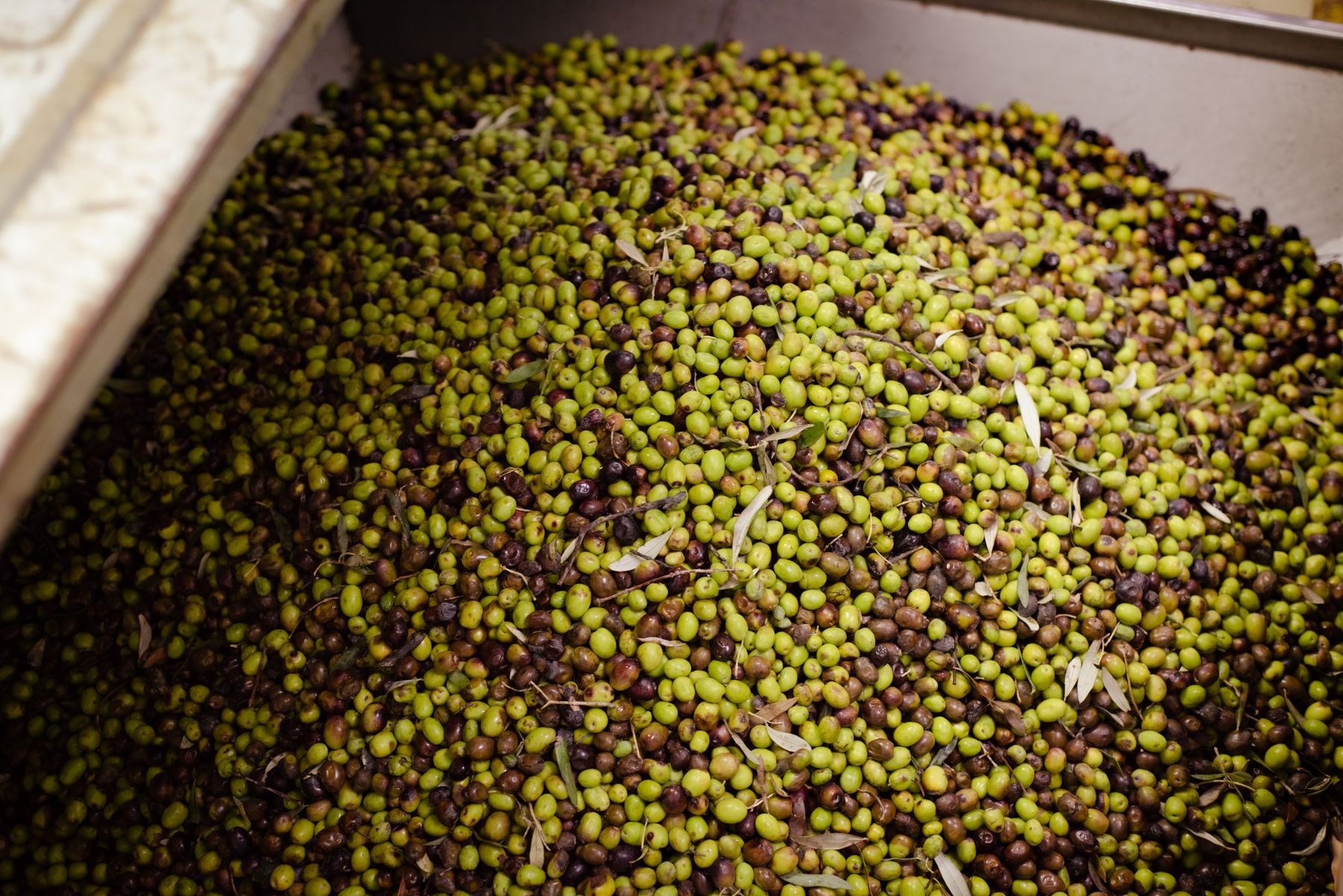
Mills working Italian olive oil will get €40 million in zero-interest credit, Agriculture Minister Francesco Lollobrigida told a Coldiretti delegation in Rome on 18 September, weeks before a harvest that starts with the tanks still full.
The money comes as an Ismea cambiale agraria, an agricultural bill that runs for five years at zero interest. According to Coldiretti, it must reach mills that buy and pay for Italian olives, and help move the oil still sitting in storage. The farmers’ union said public money cannot become a lifeline for those who fuelled speculation, triangulation and opaque practices.
Lollobrigida called the mill bill “a concrete and immediate response” to the sector’s needs. David Granieri, Coldiretti vice-president and president of the olive growers’ group Unaprol, said the meeting had produced three answers “of fundamental importance” during a deep restructuring of the sector.
Italy’s olive oil problem this autumn is not a shortage but a glut with the wrong passport.
Why Italian olive oil is stuck in storage
The numbers explain the urgency. Registry data from ICQRF, the fraud-control agency, put stocks in Italy at 233,377 tonnes on 31 July, with Italian-origin extra virgin at 108,299 tonnes, against about 45,200 tonnes a year earlier. Ismea recorded an average origin price for extra virgin of €5.12 a kilo in July, 46.7% lower than in July 2025.
Foreign oil is cheaper still. In the first week of September, Ismea quoted imported extra virgin at €3.74 a kilo on the Italian market, while origin prices stood at €3.67 in Spain, €3.88 in Greece and €3.63 in Tunisia. Coldiretti’s own arithmetic frames the problem: Italy produces around 234 million litres a year, consumes 461 million, exports 318 million and imports 545 million.
Controls, labels and a €300 million plan
The minister also confirmed an extraordinary round of inspections at storage sites, cooperative and industrial mills, processors and large retailers, which Coldiretti says take 80% of the product. The targets are deodorised oils, oils with added chlorophyll and blends sold as Italian. AGI reported that yields declared in SIAN, the national agricultural information system, will also be checked.
Also on the table were clearer origin labels on the shelf and ColtivaItalia, a €300 million programme for Italian olive groves, with testing by magnetic resonance, genomic and isotopic mapping feeding a shared database.
For kitchens, the picture matches the one behind olive oil prices sitting low as Spain’s next crop wobbles: cheap oil at origin, little of the fall visible on the shelf. Whether €40 million changes that depends on who qualifies, and the 2026/27 campaign is only weeks from the mills.
Sources
- AGI · 2026-09-18
- StrettoWeb (Coldiretti Calabria) · 2026-09-18
- Abruzzo Popolare (Coldiretti Abruzzo) · 2026-09-18
- I Grandi Vini (ICQRF and Ismea data) · 2026-09-12