Douro grape growers get €12m to leave grapes on the vine
Portugal will pay growers up to €1,125 a hectare for grapes nobody buys, while the Port quota stays far below 2023 levels and cellars remain full.
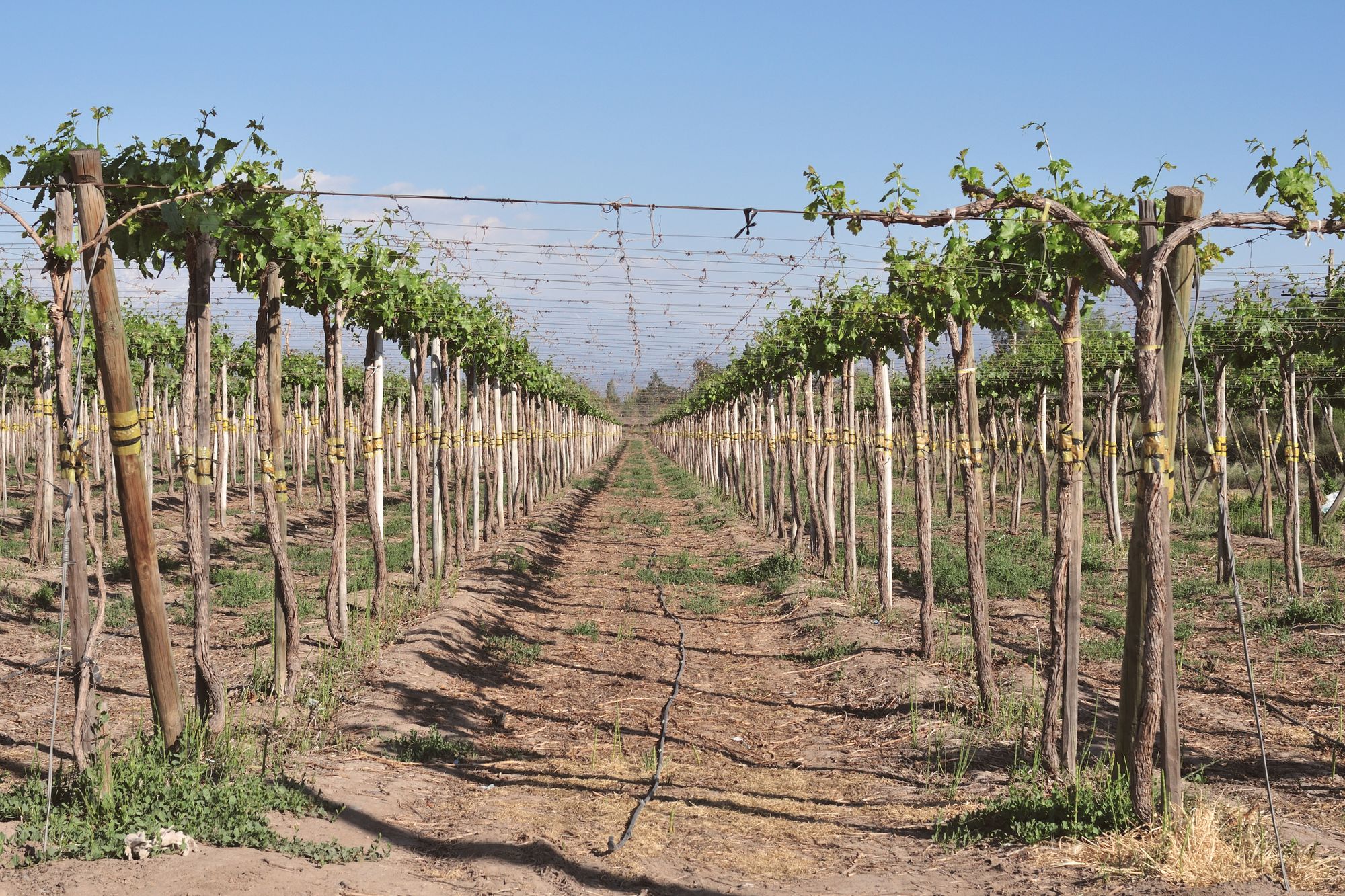
Douro grape growers who cannot sell this year's crop will be paid to leave it on the vine. A ministerial order published in Portugal's Diário da República gives IVDP, the Douro and Port wine regulator, 15 days to open applications for a €12m aid scheme capped at €1,125 per hectare.
The Council of Ministers approved the scheme on 4 September for the 2026-2027 campaign, and Resolution 177/2026 set out the money: €9m from the agriculture budget and €3m from the Finance Ministry, according to Observador. It is aimed at growers in the Douro Demarcated Region, cooperative members included, who live from selling grapes and have not found a buyer.
How the aid for Douro grape growers is paid
The state now pays Douro growers for the grapes nobody wants to buy.
The support is calculated on grapes left unpicked, not grapes sold. IVDP compares each grower's declared 2026 production with their average over the previous five campaigns and pays the difference in a single bank transfer, up to €1,125 a hectare. If applications exceed the budget, payments are cut pro rata.
The conditions are strict. Applicants must identify the affected plots and keep the grapes hanging until IVDP has inspected them. From the day they apply until payment, the order bars them from harvesting, processing, selling or otherwise using that fruit. Growers then get a single 15-day window to apply, and IVDP eight days to decide.
A Port quota too small for the crop
The pressure comes from the benefício, the volume of must that may be turned into Port each year. IVDP authorised 76,000 pipes for 2026, about 57 million kilos of grapes, barely above the 75,000 of 2025 and well below the 104,000 of 2023, according to Wine Intelligence.
That quota decides a grower's income. Grapes that qualify for Port sell for €900 to €1,200 per pipe, against €150 to €400 for still-wine grapes, while one grower in Ervedosa do Douro puts the cost of farming a hectare at around €5,000. Rui Paredes, president of the Casa do Douro, has warned of a repeat of 2024, when grapes went unharvested for lack of buyers.
The government blames weaker international demand and falling consumption in traditional markets, which have left cellars full of unsold wine. The harvest also started about two weeks early. Spain has its own version of the squeeze: Rioja's earliest harvest has reopened the fight over grape prices.
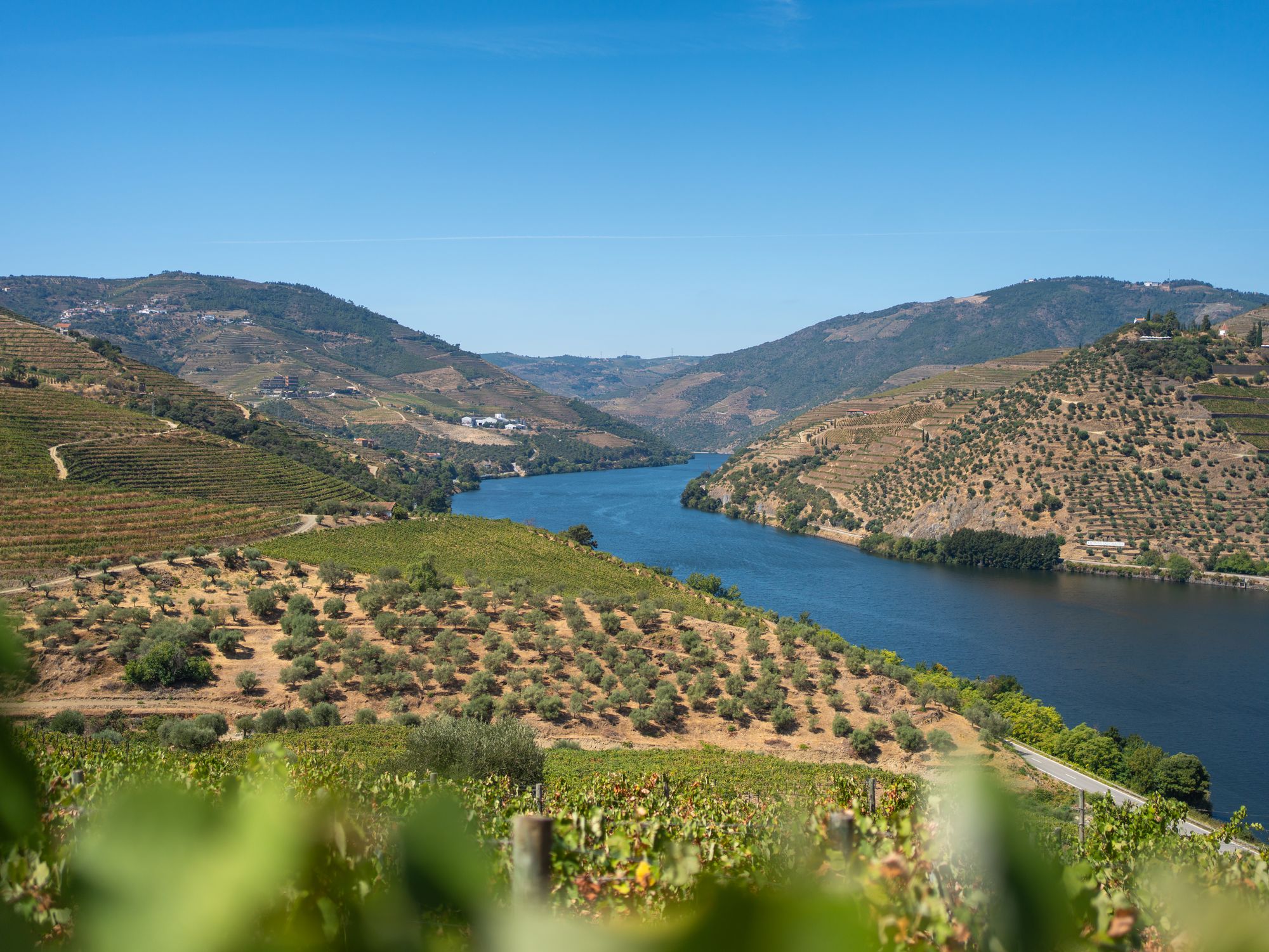
The resolution already looks past the €12m. It asks IVDP, with growers and the trade, to propose a permanent sustainability fund by 31 December, so that surpluses can be managed without extraordinary public money. Until then, on terraces UNESCO listed 25 years ago, the state is paying for grapes to stay where they are.
Sources
- Diário de Viseu (Lusa) · 2026-09-15
- Diário da República – Resolução do Conselho de Ministros n.º 177/2026 · 2026-09-09
- Observador · 2026-09-09
- Wine Intelligence · 2026-09-06