Peru blueberry exports cut again as El Niño strengthens
Proarándanos now expects 382,000 tonnes for 2026-27, 6% below its August figure, as Peru's forecasters see an extraordinary coastal El Niño lasting into 2027.
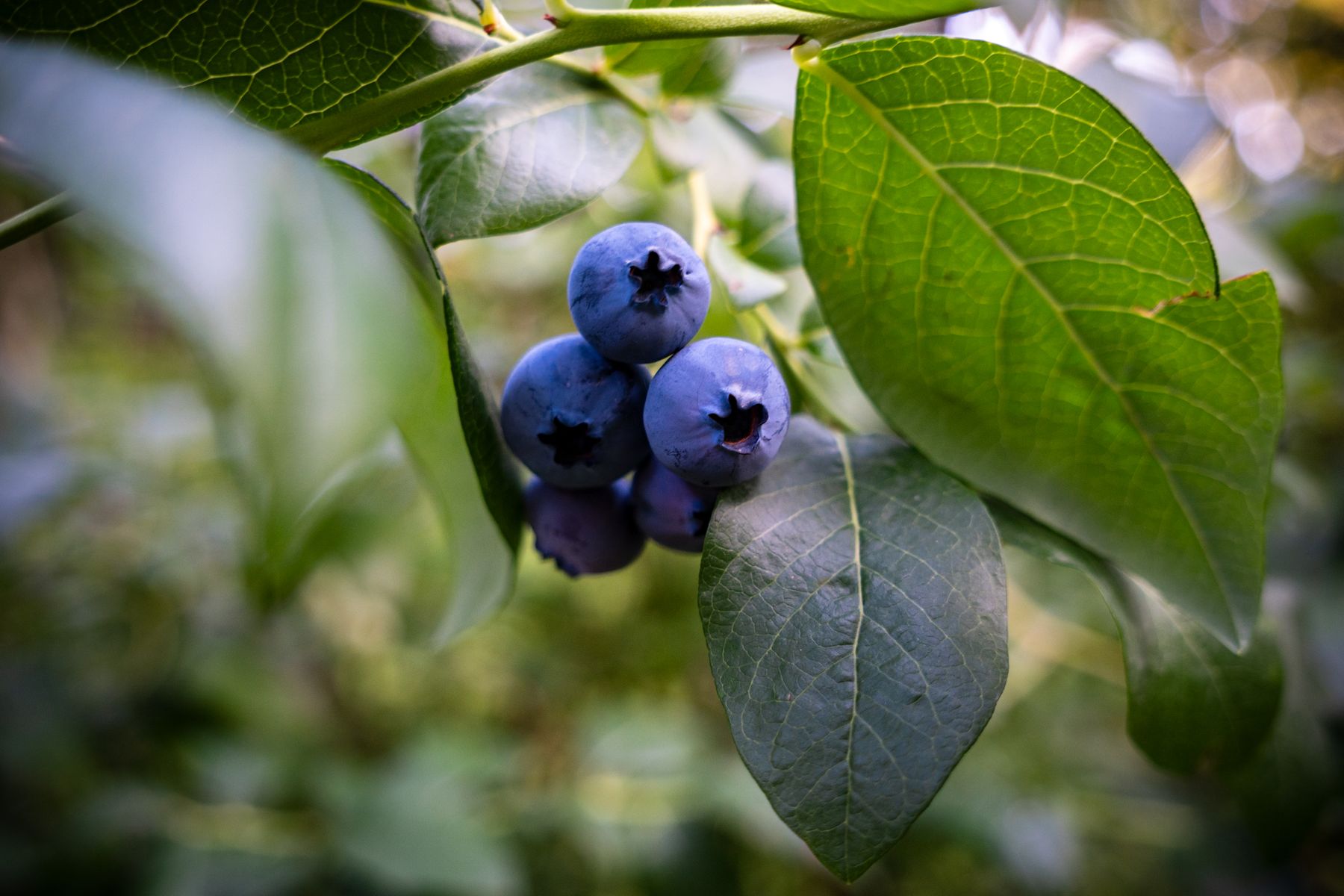
Peru blueberry exports for the 2026-27 season are now forecast at 382,000 tonnes, 6% below the 404,000 tonnes projected in August, after growers' association Proarándanos cut its estimate again on worsening weather. The country's El Niño commission says the warming off its coast is likely to reach extraordinary magnitude through January.
The revision, published on 10 September, lands just before the busiest weeks of the season, when importers in Europe expect the bulk of Peruvian fruit.
Peru blueberry exports peak lower
A strong start does not save a season when the peak arrives 21% smaller.
By week 35 Peru had shipped 95,000 tonnes, 48% more than the 64,000 tonnes at the same point of 2025-26, or a quarter of the projected total against 17% a year earlier.
The trouble is what follows. Proarándanos expects about 286,000 tonnes from week 36 onwards, compared with 318,000 tonnes over the same stretch last season. The weekly peak, due in week 42, is now put at 16,500 tonnes: 16% below the August projection and 21% below last season's 20,900 tonnes. Organic fruit takes the harder hit, cut 18% to 25,000 tonnes.
Luis Miguel Vegas, general manager of Proarándanos, said the adjustment is concentrated in the middle and final stretch of the campaign, that climate anomalies have kept appearing consistently, and that another revision could come in October.
An extraordinary El Niño on the coast
ENFEN, the multisectoral commission that studies the phenomenon, said in its official statement of 14 September that the coastal El Niño will last until mid-autumn 2027 in the southern hemisphere, with extraordinary magnitude most likely between September and January. It expects coastal air temperatures well above normal through November, possibly at record levels, and above-normal rain on the northern coast from November.
According to the state news agency Andina, sea-surface temperature anomalies in the Niño 1+2 region exceeded 4°C between 1 and 10 September, reaching 6°C in some sectors. Warm autumns and winters disrupt the biological cycles of export crops such as blueberries, mangoes and avocados, which need cool hours to flower.
ENFEN also expects anchovy shoals to stay close to shore and warm-water species such as yellowfin tuna to linger off the central coast, home to Lima and its cebicherías.
In Europe the gap may arrive before Christmas. Jan Marc Schulz of the importer SFI Rotterdam told the Peruvian daily Gestión that volumes shipped so far are below expectations and that, instead of abundant fruit in October, supply is likely to be scarce in November and December. Prices, he said, remain weak for now, weighed down by speculative shipments and stretched consumers.
Proarándanos has not ruled out further cuts. Its next figure is due in October, by which time the weather will have written most of it.
Sources
- Proarándanos via Redagrícola · 2026-09-10
- ENFEN, Comunicado Oficial N° 16-2026 · 2026-09-14
- Agencia Andina · 2026-09-15
- Gestión · 2026-09-14