Tiradito recipe: Lima's sashimi-style answer to ceviche
Chef Virgilio Martínez of Central, ranked Latin America's best restaurant, slices white fish sashimi-thin and dresses it with lime and ají amarillo — no marinating required.
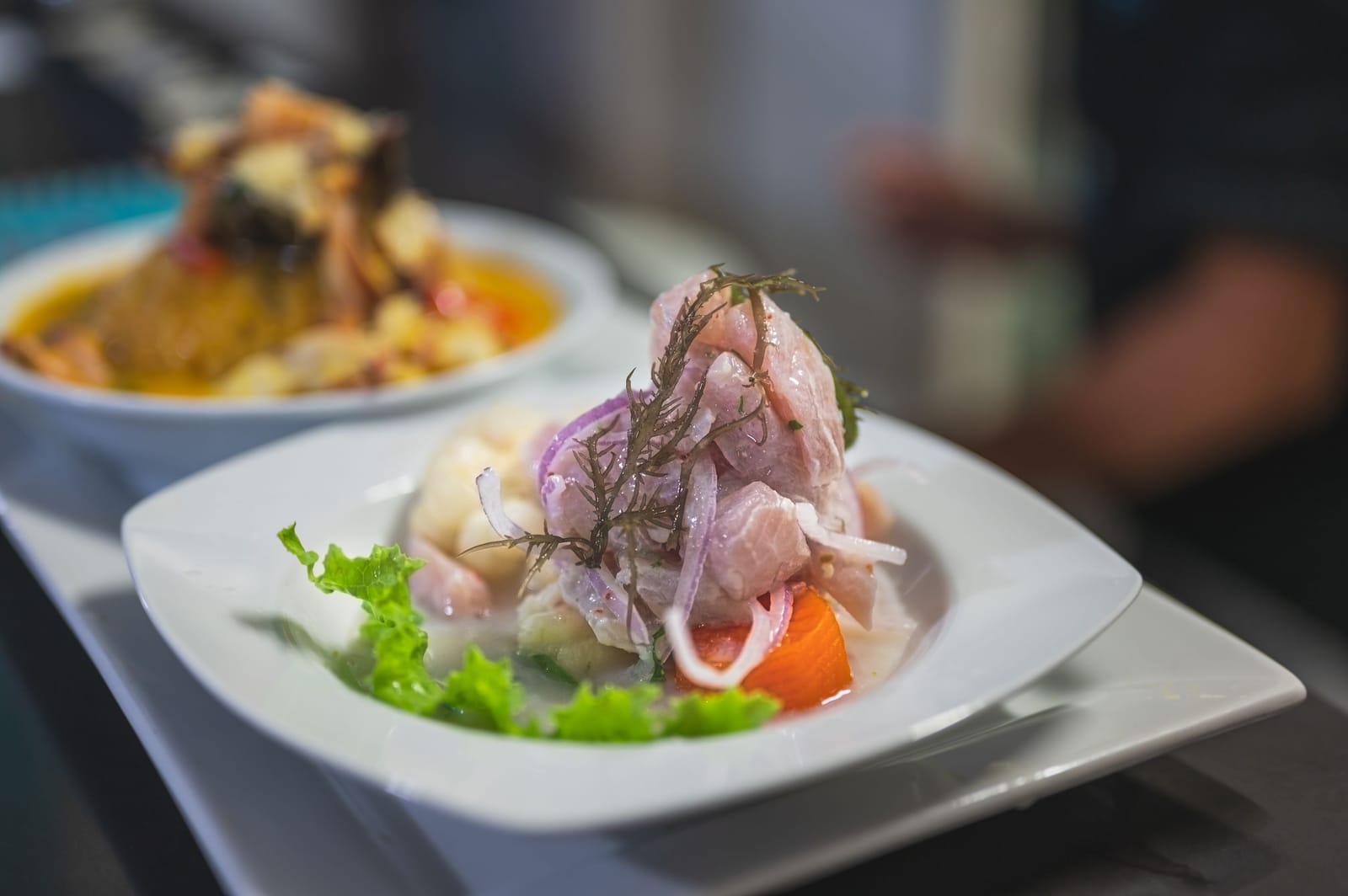
Tiradito al ají amarillo turns a cutting board and five minutes of whisking into Lima's cleanest plate of fish: thin, sashimi-style slices bathed in an ají amarillo and lime sauce, the version chef Virgilio Martínez serves at Central, Latin America's top-ranked restaurant.
The dish comes from Peru's nikkei cooking, built by Japanese immigrants who settled in Lima from the 1890s on. Where ceviche cubes the fish and lets it sit in citrus until opaque, tiradito slices it paper-thin and gets its sauce poured over at the last second, so the flesh stays translucent.
Martínez's version, published in his book América Latina Gastronomía (Phaidon), keeps the leche de tigre close to its roots — lime juice, ají amarillo paste, garlic and ginger blitzed with a trimming of the fish itself — and Central remains a fixture of Lima's best restaurants a decade after it opened.
Tiradito proves raw fish needs five minutes, not five hours, to taste finished.
Ingredients
- 225 g very fresh white fish fillet (sea bass, sole or corvina), skinned
- 150 ml fresh lime juice
- 2 tbsp ají amarillo paste
- 2 garlic cloves, peeled
- ½ tsp fresh ginger, grated
- 1 tbsp olive oil
- 1 ají limo chilli, very finely sliced (optional)
- 2 tbsp fresh coriander, chopped
- ¼ red onion, very finely sliced (optional)
- Sea salt
Method
- Slice the fish crosswise into thin, even sheets, sashimi-style: thin slices take on the sauce in seconds, not minutes, so the fish keeps its raw, silky texture instead of firming up like ceviche.
- Lay the slices on a chilled plate, or over a bed of ice, and keep them cold until the sauce is ready. The colder the fish stays, the sharper the contrast when the sauce hits it.
- Blend the lime juice, ají amarillo paste, garlic, ginger, a small trimming of the fish and a pinch of salt until smooth. The fish scrap thickens the sauce slightly and rounds out its heat — the trick behind a good leche de tigre.
- Whisk in the olive oil. Classic tiger's milk skips fat entirely, but the emulsion softens the lime's sharpness without muting it, which is why Martínez adds it at Central.
- Taste and adjust with more lime, ají amarillo or salt. The sauce should taste more aggressive than you want the finished dish, because it mellows the moment it meets the cold fish.
- Season the fish lightly, pour the sauce over just before serving, and scatter with coriander, sliced ají limo and red onion if using. Serve immediately — tiradito has no resting time, and the appeal is in that first cold, sharp bite.
Serve it like a ceviche, drink it like a pisco sour
Tiradito traditionally opens a Peruvian meal rather than closing one, often alongside cancha (toasted corn) or boiled sweet potato to blunt the chilli. At the table it wants acidity that matches rather than competes: chilled Peruvian Torrontés, a dry sauvignon blanc, or the classic pairing, a pisco sour. Leftover sauce keeps a day in the fridge and works just as well over raw scallops.
Can tiradito be made with frozen fish? Only if it was flash-frozen at sea (often labelled "sushi-grade") and fully thawed in the fridge; standard frozen fillets turn watery once sliced this thin. This tiradito recipe works best with fish bought the same day it is served.