Lamb dhansak recipe: the Parsi lentil curry done right
A five-lentil base, sweet-sour tamarind and jaggery, and lamb simmered until it falls apart: the dish chef Cyrus Todiwala built a London institution on.
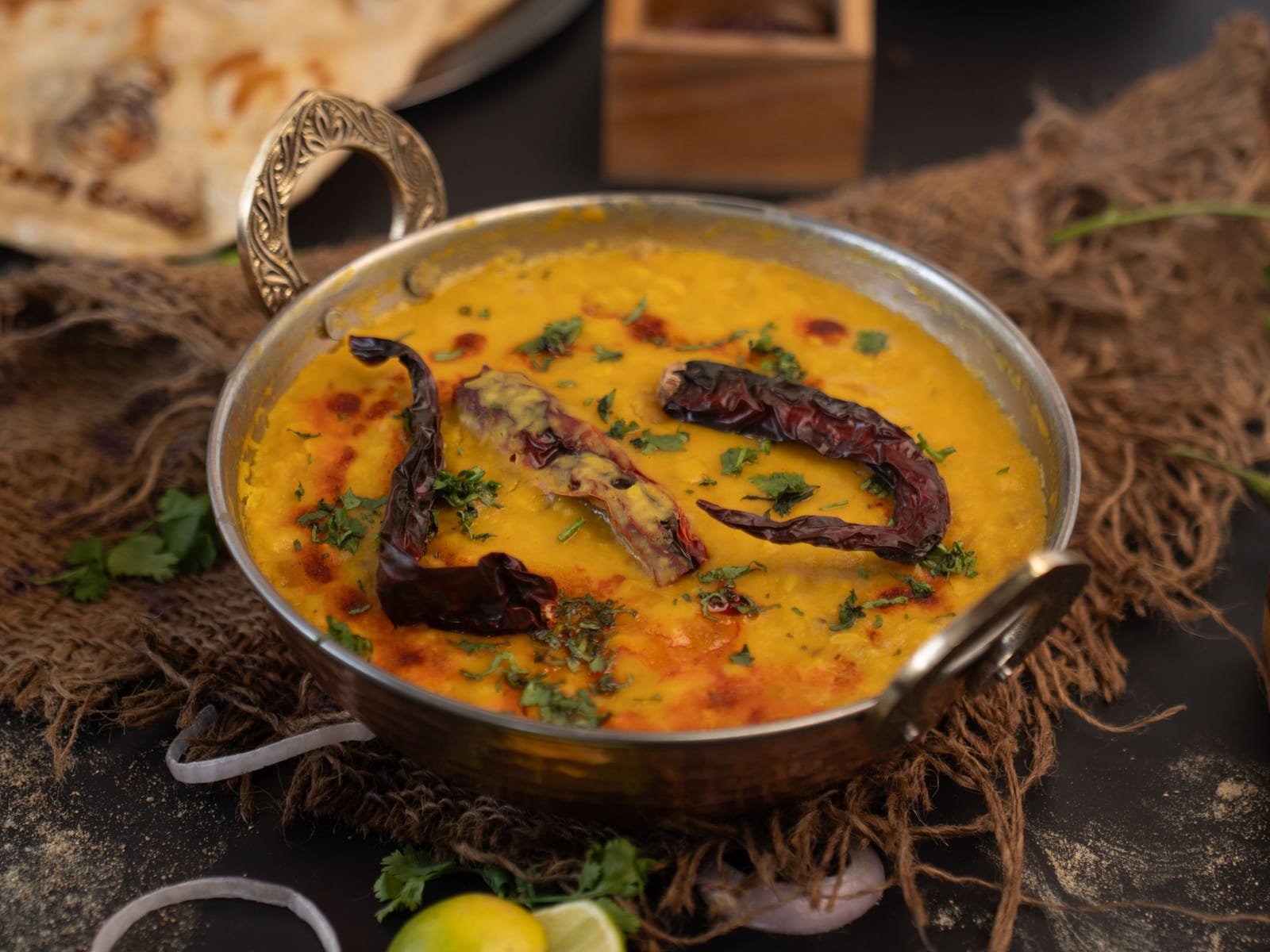
Dhansak is the dish that put Café Spice Namasté, Cyrus Todiwala's Parsi restaurant, on London's map, and this version follows his published method: a thick lentil purée, sharpened with tamarind and jaggery, built to carry slow-cooked lamb rather than mask it. The restaurant, which closed this week after three decades, listed its own dhansak on the menu from day one.
The technique dates back to the Parsi community of Gujarat, who adapted Persian cooking to Indian ingredients after settling on India's west coast. Four lentils, rather than one, give dhansak its body: together they cook down to a dense, almost velvety base that no single dal replicates on its own.
Ingredients
Four lentils, rather than one, give dhansak its body.
- 600g lamb shoulder, cut into large chunks
- 100g toor dal (split pigeon peas)
- 50g chana dal (split chickpeas)
- 50g moong dal (split mung beans)
- 50g masoor dal (split red lentils)
- 200g pumpkin or butternut squash, peeled and cubed
- 1 small aubergine, cubed
- 2 tomatoes, chopped
- 1 onion, sliced, plus 1 onion, finely chopped
- 4 garlic cloves, grated
- 3cm ginger, grated
- 2 tsp cumin seeds
- 1 cinnamon stick
- 4 green cardamom pods
- 4 cloves
- 1 tbsp coriander seeds
- 2 dried red chillies
- 2 tbsp tamarind pulp
- 1 tbsp jaggery, grated
- Handful fenugreek leaves, chopped (or 1 tsp dried)
- 3 tbsp vegetable oil
- Salt, to taste
- Coriander leaves, to finish
Method
- Rinse the four dals together and put them in a large pan with the lamb, pumpkin, aubergine, tomatoes, the sliced onion and 1.2 litres of water. Bring to a boil, skim off any foam, then simmer, covered, for 1 hour, until the lamb is tender and the lentils have broken down into a thick purée. Skimming early keeps the finished curry clean-tasting rather than muddy.
- Lift the lamb out and set aside. Blend the lentil and vegetable base until smooth; this is what gives dhansak its body, so don't rush the blending.
- Toast the cumin seeds, cinnamon, cardamom, cloves, coriander seeds and dried chillies in a dry pan for a minute until fragrant, then grind to a powder. Toasting whole spices before grinding builds a deeper, rounder heat than ground spice straight from the jar.
- Heat the oil in a large pot and fry the chopped onion until deep golden, about 12 minutes. Add the garlic and ginger, cook for 2 minutes, then stir in the ground spice mix.
- Return the lentil purée and lamb to the pot. Stir in the tamarind pulp, jaggery and fenugreek leaves, then simmer for 15–20 minutes, adding water if the curry is thicker than double cream. Taste and adjust the sourness and sweetness: dhansak should hit both before the heat.
- Season with salt, scatter with coriander leaves and serve.
Serve it the dhansak way
Dhansak is traditionally paired with caramelised brown rice studded with fried onions, not plain rice; the sweetness of the rice is part of the dish, not a side note. A simple Parsi dessert such as lagan nu custard makes a fitting way to close a dhansak dinner, the way it would at a Parsi wedding table.
Leftovers improve overnight, once the lentils and spices have had time to settle into each other. Reheat gently with a splash of water, since the purée thickens considerably once chilled.
Can lamb dhansak recipe dishes be made ahead? Yes - dhansak is better the next day, once the lentils and spices have had time to settle, so cooking it a day before serving is standard practice, not a shortcut.