Rioja's earliest harvest exposes a grape price fight
Rioja's 2026 harvest is the earliest on record, but the extra quality isn't reaching grower pay. Farmers say prices still sit below production costs; wineries call this year's terms stable.
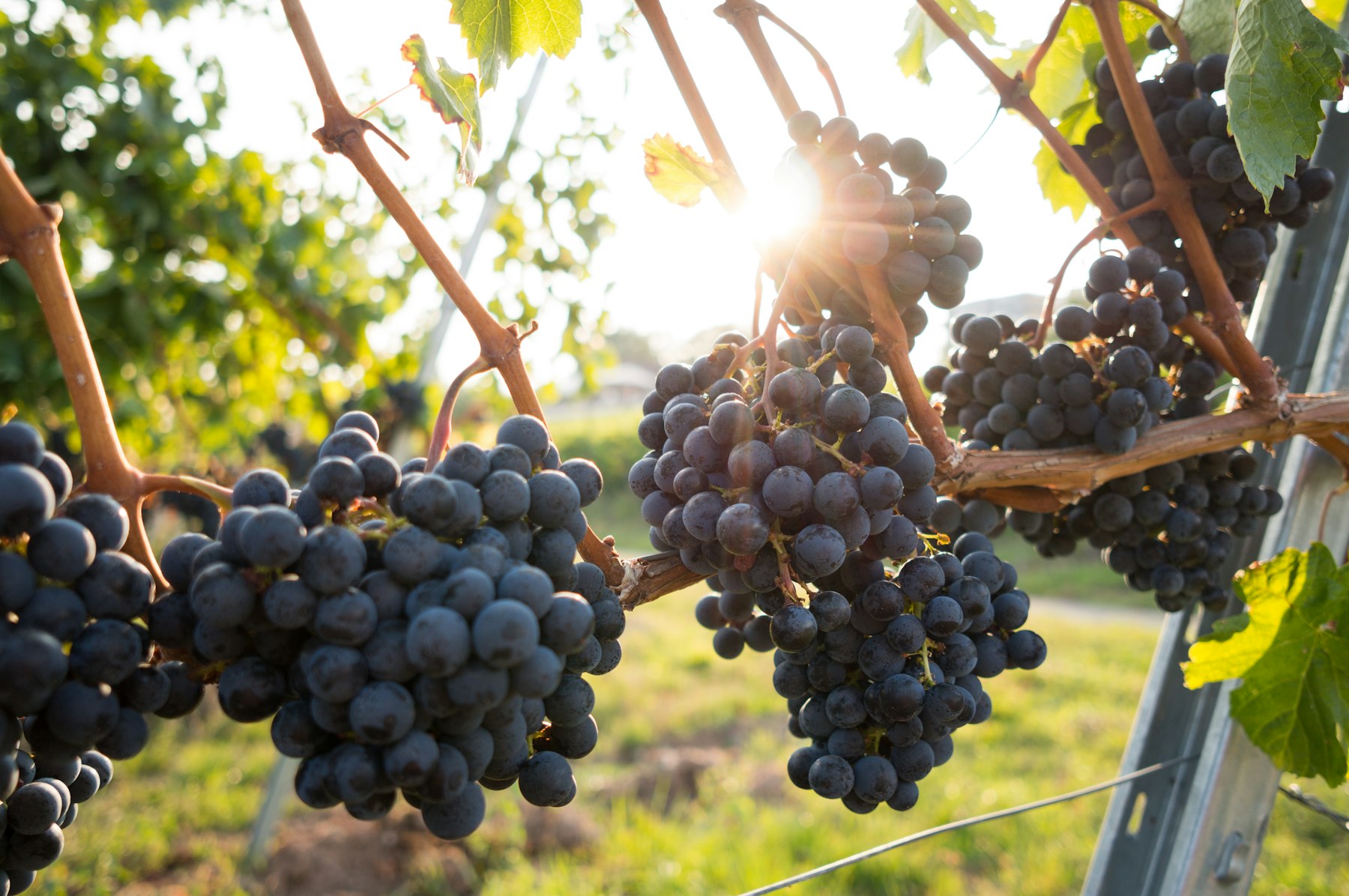
Rioja's 2026 harvest is the earliest on record for Spain's top wine region, and growers say Rioja grape prices still trail what it costs to grow the fruit.
Picking now covers the whole Denominación de Origen Calificada. By September 11, wineries had taken in 185.1 million kilos of grapes, 146.8 million red and 38.3 million white, Consejo Regulador technical director Alejandra Rubio told EFE.
The campaign began in early August, the earliest start on record, a pattern also seen this year in Burgundy's earliest harvest in nearly 500 years. The DOCa spans 66,405 hectares in La Rioja, the Basque Country and Navarra, with close to 13,000 growers and 600 wineries.
Even with top yields, growers won't cover their costs for a seventh straight season.
Last year's excellent but short campaign closed at 225.4 million kilos of grapes and 155 million litres of certified wine, 18 percent less than the year before, echoing France's smallest harvest since 1957. Heat shrank berry size again this year, so 2026 forecasts sit below early estimates, even with a slightly higher total expected than 2025.
Rioja grape prices trail growing costs
Growers received an average €0.83 per kilo for red grapes and €0.79 for white in 2025, per La Rioja's farming department price observatory. Grower group ARAG-ASAJA puts the cost of growing a kilo of red grapes at €0.864 between 2020 and 2025, against €0.722 paid, a gap of 14.3 cents, about 16.5 percent under cost, or roughly €38,227 in accumulated losses on a ten-hectare farm.
"The work in the vineyard made this harvest possible, despite rising costs for treatments," ARAG-ASAJA secretary general Igor Fonseca told EFE, adding that quality has to be paid at the vineyard. UAGR-COAG's Roberto Ruiz-Clavijo said even top yields will not cover costs for a seventh straight season, and called for enforcement of Spain's food-chain law, which requires signed contracts with a price.
Wineries say prices will hold steady
UPA La Rioja's Néstor Alcolea said some growers still have no winery lined up for their grapes. In parts of Rioja Alta, wineries are rejecting fruit above 14 degrees of potential alcohol, leaving growers no margin after a year's work.
Wineries' body Esencia Rioja said contracts were signed before picking began, with prices set to stay close to last year's. Director general Íñigo Torres called that stability positive, since Rioja's yields should beat 2025's while other Spanish regions face tighter supply, though he warned that falling wine consumption worldwide forces the region to spend more on promotion to hold market share.
In Oyón, grower Enrique López de Alda picked a 60-year-old plot and summed up the mood: "This is a year to lay down wine." Whether that reaches the price per kilo stays unclear until the last grapes are in, likely into October.
Sources
- Vinetur (EFE) · 2026-09-15
- Infobae (EFE) · 2026-09-12
- ARAG-ASAJA · 2026-08-03
- Moncloa.com · 2026-08-27