Japan saury prices triple as Hokkaido landings shrink
Fresh sanma averaged about ¥3,645 a kilo at Toyosu from mid-August, after a government forecast warned of the smallest saury stock since 2003.
Japan saury prices have more than tripled this autumn: fresh sanma averaged about ¥3,645 a kilo at Tokyo's Toyosu market between mid-August and early September, 3.3 times the level of a year earlier. Nikkei, which reported the Toyosu data on September 14, attributed the jump to thin landings in Hokkaido.
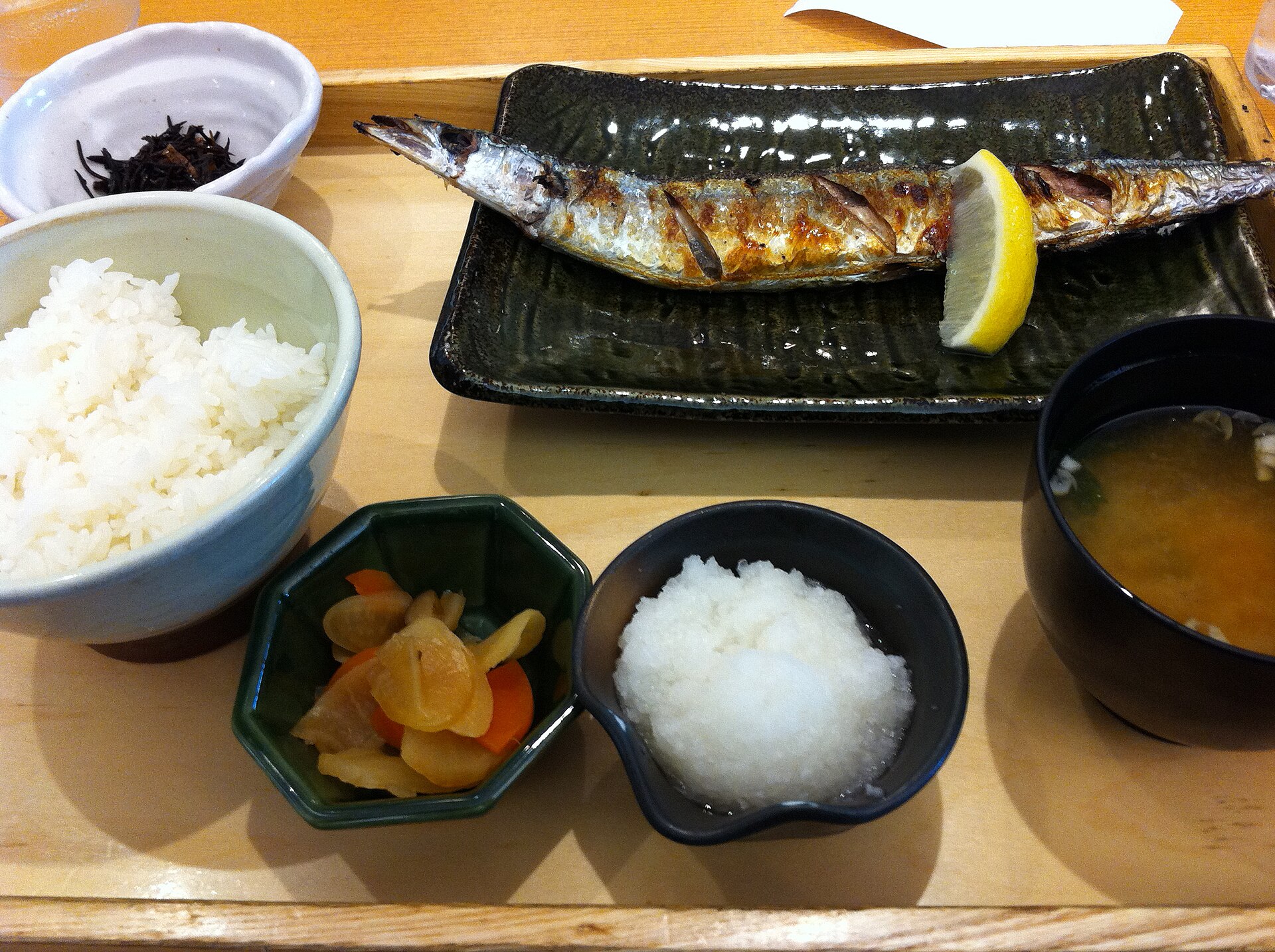
The increase has reached the shop counter. Fishmongers in Tokyo are asking ¥480 to ¥700 for a single fish, according to the same report, for a species that Japanese households have long treated as the everyday taste of autumn, grilled whole and served with grated daikon and rice.
The Toyosu figure is the mid-range price for fresh fish, not the showpiece lots sold at the first auctions of the season, which makes the rise harder to dismiss as a curiosity.
Sanma was autumn's cheap pleasure; this season it is priced like a luxury.
The smallest stock estimate since 2003
The shortage was flagged well in advance. On July 28 the Fisheries Agency published its long-range forecast for August to December, estimating saury west of the 180th meridian at 429,000 tonnes, down from 1.099 million tonnes a year earlier and the lowest figure since comparable data began in 2003.
The forecast put the share of one-year-old fish, the size the fleet relies on, at 17.2%, against 59.6% last year, and said the fish would be lighter and fewer would reach Japanese fishing grounds. For August and September it placed only small schools far offshore, in international waters between 152°E and 168°E, east of Hokkaido and Urup Island.
The agency also expected the southern edges of the cold Oyashio current's first and second branches to lie well north of their usual positions.
Japan saury prices after three years of recovery
The setback interrupts a slow rebound. Landings bottomed out at 17,910 tonnes in 2022, according to Zensanma, the national saury fishing cooperative, then rose to 38,695 tonnes in 2024 and 64,738 tonnes in 2025. Even last year's catch was well below the 112,264 tonnes landed in 2015.
Cheap oily fish is under pressure elsewhere too: Norway's mackerel season has slowed under a sharply reduced quota this month.
Tokyo's best-known sanma ritual has already adjusted. Meguro City will serve grilled saury at its festival on October 11 only to 2,500 people drawn by lottery, and warns that even that depends on the catch.
Sources
- Nikkei · 2026-09-14
- Fisheries Agency of Japan · 2026-07-28
- Zensanma (national saury fishing cooperative), annual landings · 2026-03-31
- Meguro City · 2026-09-07