Burgundy’s earliest harvest in nearly 500 years
Grand cru Montrachet started picking on 13 August, the region’s earliest date in nearly 500 years, as France’s overall 2026 wine crop falls to its smallest since 1957.
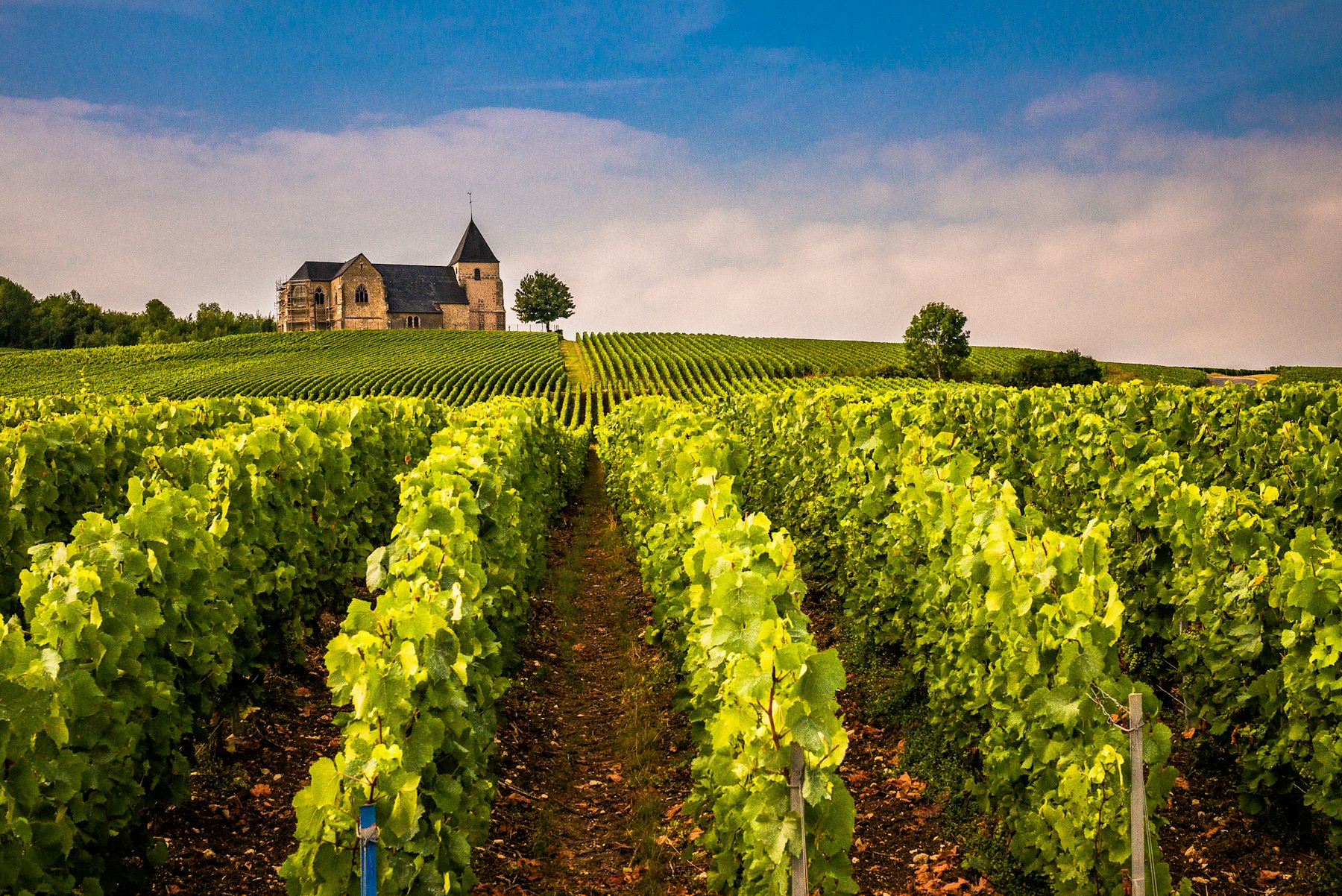
Burgundy’s earliest harvest in nearly 500 years began on 13 August in the grand cru Montrachet vineyard, as France’s overall 2026 wine crop heads for its smallest volume since 1957.
Domaine Leflaive started picking that Thursday, pushed forward by a summer of repeated heatwaves. Estate manager Brice de La Morandière called the timing "extremely early," though he said the grapes’ sugar and acidity looked balanced. The previous record, 15 August 1556, had stood as the region’s earliest harvest date for almost 470 years, according to climate historian Thomas Labbe.
Burgundy’s earliest harvest on record
Burgundy’s smallest harvest in generations carries, growers say, its most promising fruit.
Yields tell the harder side of the story. Burgundy’s wine board, the BIVB, estimates the 2026 crop down by roughly 40% on a normal vintage, with small, concentrated berries across the Côte d’Or. It is part of a French wine harvest heading for its lowest level since 1957, according to the statistics service Agreste, which puts the national total below 34 million hectolitres, 6% under 2025 and 17% below the five-year average.
Champagne fared worse again: Agreste estimates its 2026 output down 48% on last year. The Comité Champagne set a marketable yield of 8,800 kg/ha on 22 July, equivalent to roughly 250 million bottles, the tightest limit since the pandemic-hit 2020 harvest. Bordeaux moved against the trend, up 10% on a weak 2025 crop but still 11% below its own five-year average, Agreste figures show.
Despite the losses, early assessments lean positive. The Comité Champagne said the fruit carries "a potential for very great wines." In Puligny-Montrachet, grower Paul Carillon of Domaine Carillon reported "the quality of the fruit looks promising," even with yields running below average across his vines.
Quality outweighs the shortfall
The high sugar levels behind that optimism prompted a rare regulatory move: French authorities temporarily lifted Champagne’s usual 13% alcohol ceiling to 15% for the 2026 vintage, a first, to accommodate riper grapes without forcing an earlier picking date. Comité Champagne co-presidents Maxime Toubart and David Chatillon signed off the reduced yield as a balance between rebuilding stocks and grower income.
The volume drop is not only weather. FranceAgriMer has subsidised vine uprooting across France since 2023, trimming planted area as producers adjust to falling demand, a policy running alongside the drought, hail and heat that battered vines this year from Champagne to the Rhône.
Fermentation will run through autumn across Burgundy’s cellars, where growers expect a small vintage after the earliest harvest in generations, and, by early accounts, one of the most promising in years. Pair the season with Amuse Kitchen’s grape-harvest chicken recipe while the wine ages.
Sources
- Vinetur · 2026-08-19
- Comité Champagne · 2026-07-22
- The Connexion · 2026-09-09
- The Drinks Business · 2026-07-23