French wine harvest heads for its lowest level since 1957
Champagne is down 48% on last year and Pinot Noir by about half, while Bordeaux gained 10% on late summer rain. Volume is short; quality may not be.
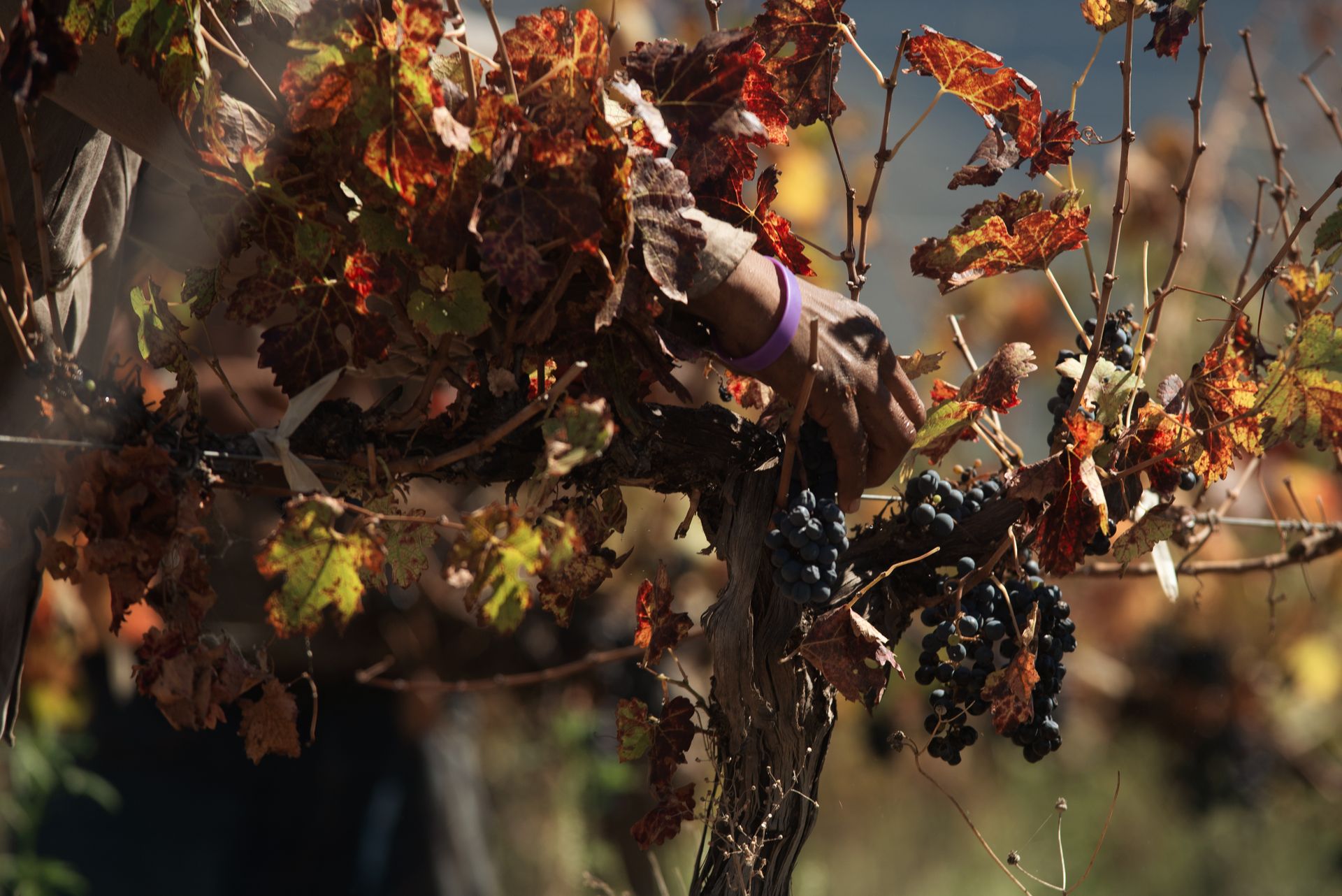
The 2026 French wine harvest is forecast to come in below 34 million hectolitres, around 6% under 2025 and the smallest crop since 1957.
The figure sits about 17% below the average of the five vintages from 2021 to 2025. It is the product of two things happening at once: vineyards being pulled out, and yields cut by drought and by three heatwaves between May and July. Picking across Europe began earlier than in any recorded year, a week to a fortnight ahead of normal in most appellations.
The damage is not spread evenly. Champagne is down 48% on 2025, and Burgundy and Beaujolais varieties by roughly a third. Pinot Noir, the variety most exposed in both regions, came in around half below last year. Further west the picture changes: the Loire is down 12%, Languedoc-Roussillon is up 5%, and Bordeaux is up 10% after late summer rain arrived in time to fill the berries.
A short harvest flatters the wine and empties the grower's account.
What a short French wine harvest does to quality
Champagne's growers are not talking like people who have had a bad year. The Comite Champagne said the fruit carried "a potential for very great wines", comparing it to great twentieth-century vintages. The alcohol figures were unusual enough that the government granted an exemption allowing Champagne grapes up to 15% alcohol, which growers describe as without precedent under the appellation rules.
Small crops in hot years usually mean concentration, thicker skins and higher sugar. They also mean less wine to sell, and a cash-flow problem that lands on the smallest growers first. Champagne is capping release at 250 million bottles, which manages the market but does not pay a grower's bills.
Young vines took the worst of it
The pattern worth watching is age. Younger plantings suffered most, which matters for the vintages of the next decade rather than for this one, and it comes on top of thousands of hectares of vine removal already under way as growers leave the least profitable land.
This is the second summer in a row in which a European crop has been decided by rainfall rather than by farming. Spain's olive growers are watching the same skies, and coffee has spent the year priced on weather. The final French figure lands with the autumn returns.
Sources
- The Connexion · 2026-09-09
- RTE · 2026-09-07
- WineCap · 2026-09-08