Champagne secondary market stirs for rare, older bottles
Liv-ex data show the champagne secondary market turning upward for older and rarer bottles, even as freshly released vintages keep losing value through 2026.
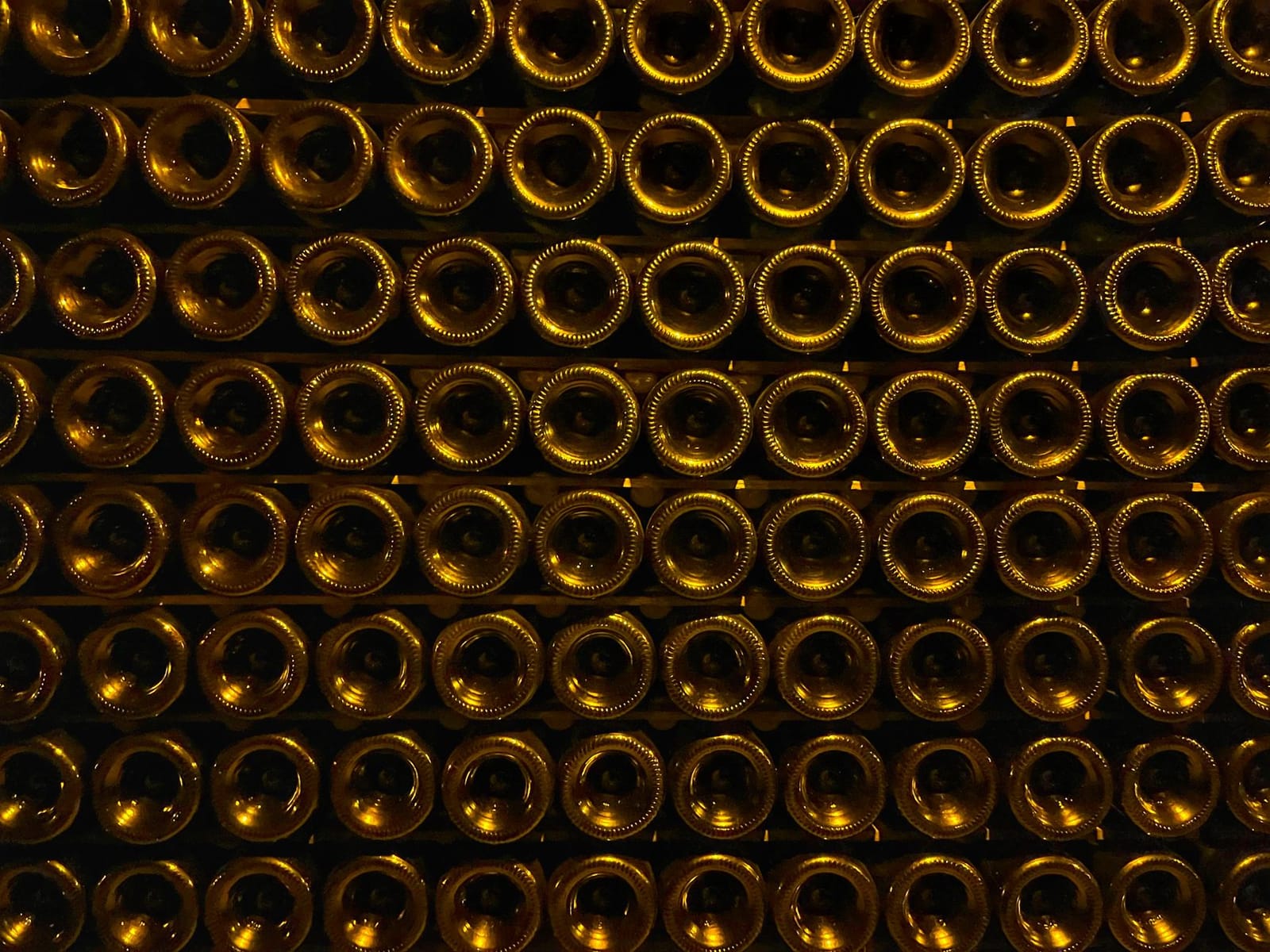
The champagne secondary market is turning a corner for its oldest and rarest bottles. Liv-ex data show cases of Salon 2002 trading 23% higher between August and November 2025, even as recently released vintages keep losing value.
Liv-ex tracks completed trades, not asking prices, and its latest reading points to a split champagne secondary market, a sign of how far trading has shifted since Champagne Week debuted in Paris this autumn: older releases and non-vintage blends are climbing while freshly released vintages keep softening after launch.
Pol Roger's Sir Winston Churchill 2015 led actively traded vintage champagnes, its average trade price up 7.7% between May and June 2026. Selosse's non-vintage Substance and Initial show similarly steady gains, and Laurent-Perrier's Grand Siècle 26 is also rising.
Some wines still have further to fall; others have found their floor and are rising gently.
Rare bottles lift the champagne secondary market
Assortment cases built around Salon and Selosse made up 11.5% of champagne's traded value in 2026, Liv-ex says, far above their share of trading volume. The firm's Champagne 50 index, which tracks the region's leading labels, has stabilised and is edging back toward its long-term trendline.
"Some likely have further yet to fall; others appear to have found their floors and are now tracking gently upwards," says Liv-ex market analyst Sophia Gilmour, describing the split now showing up across the exchange's data.
What pushed buyers to back vintages
The shift traces back to April 2025, when U.S. tariffs pushed American buyers off the exchange. The resulting price drop drew in other buyers, mostly European merchants, and by August 2025 supply and demand had begun to rebalance.
A run of large, high-volume vintages released through 2025 and 2026 added to the pressure. Several major-house releases arrived priced above older, better-rated bottles already in circulation, so buyers turned to those back vintages instead. Non-vintage champagne escaped much of the squeeze, since houses can blend reserve wines to manage supply rather than leaning on a single harvest.
Bordeaux shows a similar pattern, with merchants there also trimming new allocations in favour of wines already released. In champagne, discounted offers on recent vintages are declining while bid prices rise, and in some cases trades are now running ahead of the quoted list price. The squeeze arrives even as Champagne's 2026 harvest fell 48% after frost and drought, a reminder that today's abundant stock is yesterday's crop.
Liv-ex stops short of calling this a broad recovery. Three years after the 2021-2022 price surge collapsed, the champagne secondary market remains a trade in exceptions, not a rising tide.