Spain's 2026 wine harvest falls as stocks climb 22%
Growers delivered one of Spain's earliest harvests on record, yet cellars already hold more wine than the new crop adds, and farm groups are split on what comes next.
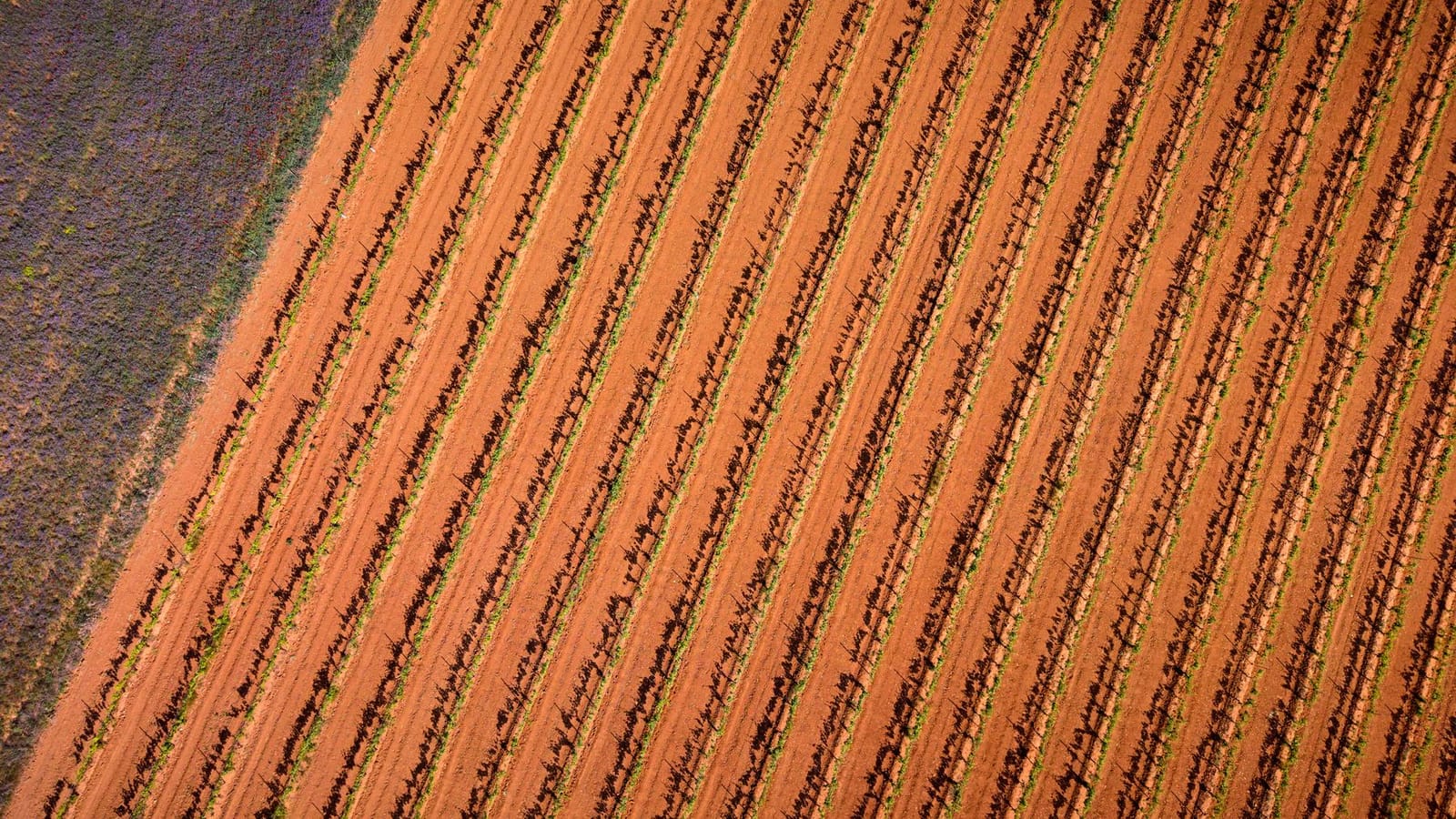
Spain's 2026 wine harvest lands at roughly 34 to 34.5 million hectolitres, below the stock already sitting in the country's cellars, two farm groups report.
Cooperativas Agro-Alimentarias puts the 2026 harvest near 34 million hectolitres of wine and must. COAG's estimate runs slightly higher, at about 34.5 million, which it calls a moderate recovery after two small vintages in a row.
The crop came in roughly two weeks early across most regions, with some areas starting to pick in late July under summer heat. Rioja closed the earliest harvest on record this year, one of several regions where timing, more than volume, made the headlines.
Oversupply, falling demand and climbing costs leave growers pricing the same wine lower than last year.
Stocks are the bigger problem. OIVE's August count put wine and must inventories at 40.1 million hectolitres, up 21.9% on a year earlier and already larger than the entire new harvest.
Demand is not keeping pace. Consumption through August fell 8.3% to 8.9 million hectolitres, OIVE figures show. A separate agriculture ministry panel found household wine consumption at 8.32 litres per person a year through July, down 1.1%.
Three farm groups, three fixes
Asaja's Eduardo Pérez says the glut of grapes, wine and must is pushing prices down, and wants vines pulled out to bring supply back in line with demand.
UPA's Alejandro García-Gasco calls the late-July start unprecedented in Spain's history and argues growers need new products to pull in buyers, pointing to low-alcohol, grape-based drinks sold in small bottles aimed at younger drinkers.
Unión de Uniones' Andrés García wants a narrower, "social" uprooting scheme instead, limited to growers who are retired or have no successor, rather than a blanket cut to vineyard area.
Spain's bulk exports feel the squeeze
Spain remains one of the world's largest bulk wine exporters, so a prolonged surplus tends to weigh on prices well beyond its own borders. Rising harvesting and input costs are adding further pressure to winery and cooperative margins this campaign, and OIVE's final tally for the full 2026 season is still months away.