Shepherd Neame self-funds £15m Kent brewery rebuild
Britain's oldest brewer is shrinking its brewing capacity while modernising its Kent site, just as its contract to brew Singha Lager comes to an end.
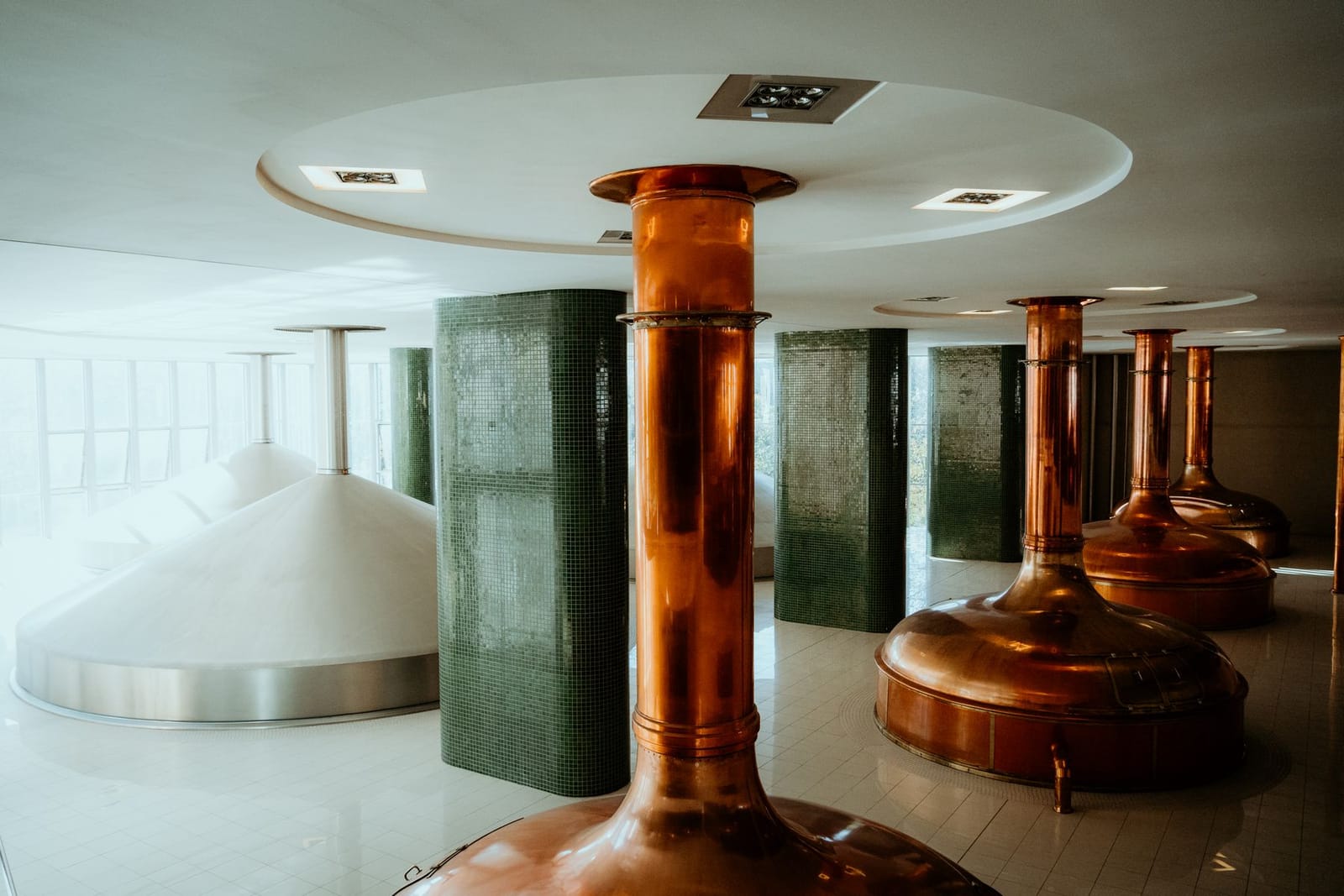
Shepherd Neame, Britain's oldest brewer, is investing £15 million over three years to build a smaller, modern brewery inside its historic Faversham site in Kent, funded by selling off non-core property rather than taking on debt.
The new brewing operation will be housed inside the site's existing Bottling Hall, which closes in mid-2027 for conversion, the company said on October 29. Shepherd Neame describes the result as a "modern, smaller brewery" without giving a capacity figure, and says the plant will reuse existing infrastructure, including the site's historic well as its water source.
Shepherd Neame shrinks to grow
A smaller brewery, a bigger bet: Shepherd Neame is trading capacity for control.
The company has brewed in Faversham since 1698, with records showing commercial brewing on the site as early as 1573, making it Britain's oldest brewer. It runs close to 300 pubs and hotels across Kent and London. Unlike The Social Hub's £200 million Edinburgh expansion, this is a project about reducing footprint rather than adding it: Shepherd Neame is scaling down its brewing capacity even as it spends on the site.
The company said the new plant will drive quality standards, improve sustainability and give it flexibility to innovate in a "rapidly evolving beer market." It is moving to a model that combines in-house production with outsourced functions such as small packaging, and is ending large third-party contract-brewing agreements that have run through Faversham for years.
A licence ends, a lager departs
Among those agreements is the exclusive UK licence to brew Singha Lager, which ends at the end of April 2027. The contract has been associated with £10.3 million in revenue, giving a sense of how much third-party volume the smaller brewery is designed to do without. Shepherd Neame's own beers, including Spitfire, Bishops Finger and Whitstable Bay, continue as before, much as cocktail-led openings like Venus Bar in Chelsea have kept growing even as the wider drinks trade consolidates elsewhere.
Chief executive Jonathan Neame called the plan "a great opportunity to modernise and evolve our operations." No figure has been given for the new brewery's output capacity, and the company has not said how many jobs, if any, the smaller footprint will affect. The Bottling Hall conversion and the end of the Singha contract both land in the same window, April to mid-2027, which is when the scale of the new operation should become clear.