Champagne Week debuts in Paris on a record harvest
Growers call 2026 the earliest, healthiest Champagne harvest in decades. Paris marked it with a new citywide week of tastings, pairings and cellar visits.
Paris just held its first Champagne Week, seven days of tastings and pairings across the city, timed to a 2026 harvest growers are calling the healthiest in decades.
The event ran from 19 to 25 October, backed by winegrowers and Champagne houses rather than a single brand. Restaurants, bars, brasseries, wine shops and hotels across Paris hosted tastings, discovery workshops and food pairings, with dedicated menus and themed moments built around aperitifs, brunches and tea service. The programme folded in Champagne Day on 23 October, an international celebration launched in 2009.
Organisers pitched the week as a way to show the appellation beyond flutes raised at New Year. The full list of participating venues ran on the event's own site; no single house was named as exclusive host.
A vintage declared historic before a single bottle has had time to age.
The harvest behind Champagne Week
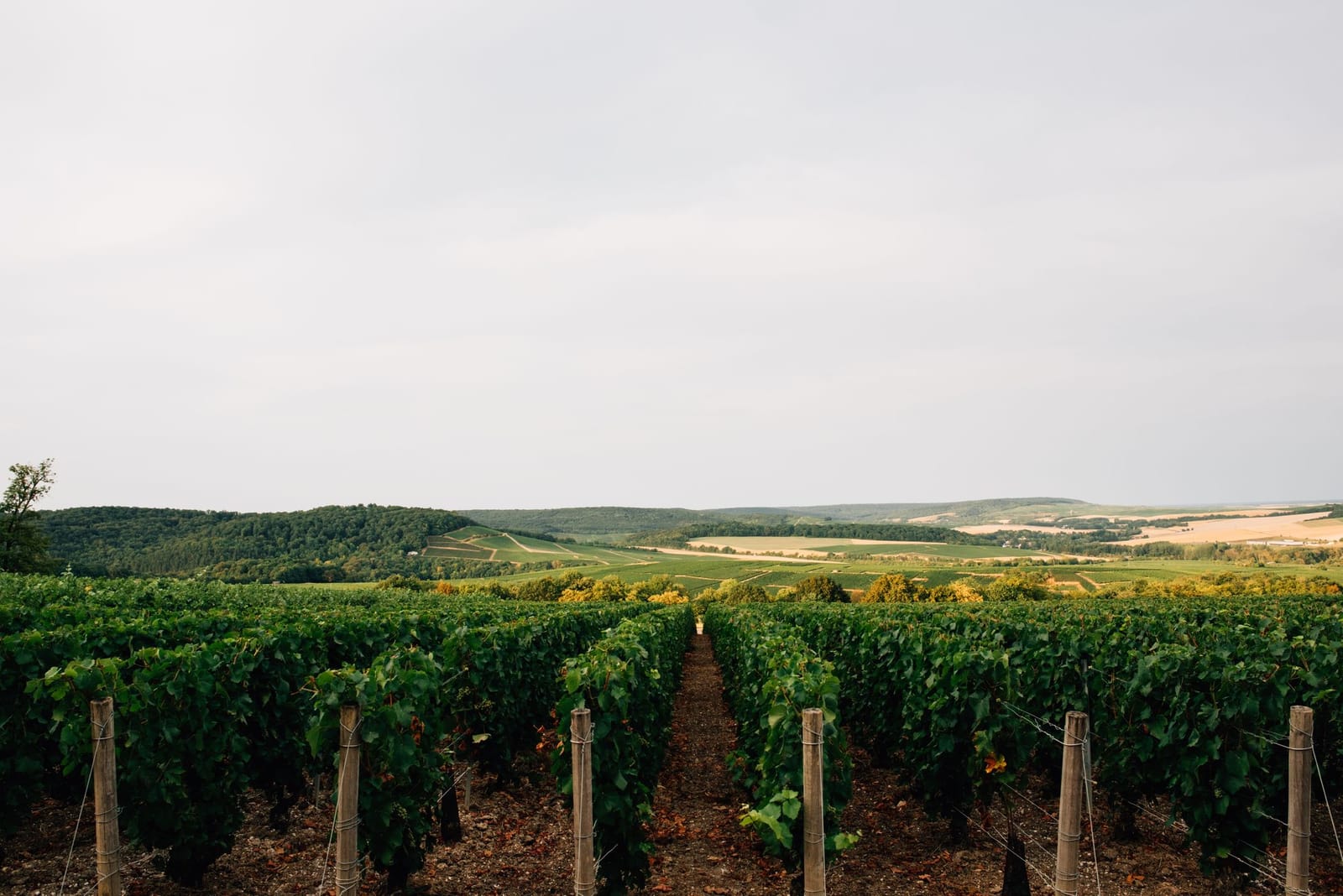
The timing followed a vintage producers have been discussing since August. At Drappier in Urville, winemaker Hugo Drappier said picking began on 19 August, the earliest start in the house's history and ahead even of the heatwave-driven 2003 vintage. He called the fruit the healthiest since 1976, with comparable conditions seen only twice in the 20th century, in 1947 and 1976.
Four spring frosts cut the number of fertile buds across the region. A warm, dry summer followed, concentrating what was left on the vine. The regional prefecture set the official harvest start at 12 August, with some communes, including Montgueux, picking Chardonnay from as early as 6 August — by trade reports, the earliest start recorded in Champagne's history.
Quality up, volumes down
The same drought that concentrated the fruit also shrank it. Bunches came in smaller, holding regional yields to a moderate level even as sugar levels and fruit health climbed — a contrast with what AMUSE reported in October, when the region's overall harvest volume fell 48% after frost and drought.
French authorities moved to manage the shortfall. A decree published 7 August capped 2026 purchases of grapes, must and wine for Champagne production at 15%, a legal ceiling rather than a forecast of how most houses will actually buy.
Export demand has held up regardless. Worldwide Champagne shipments rose 1.2% in the first half of 2026, to 107.1 million bottles, according to the Comité Champagne — though the trade body still calls the market environment uncertain.
None of this year's grapes will reach a glass for years; Champagne's minimum ageing rules see to that. Growers are already calling 2026 a vintage worth the wait. Whether Paris repeats Champagne Week next October depends on turnout organisers haven't yet disclosed.