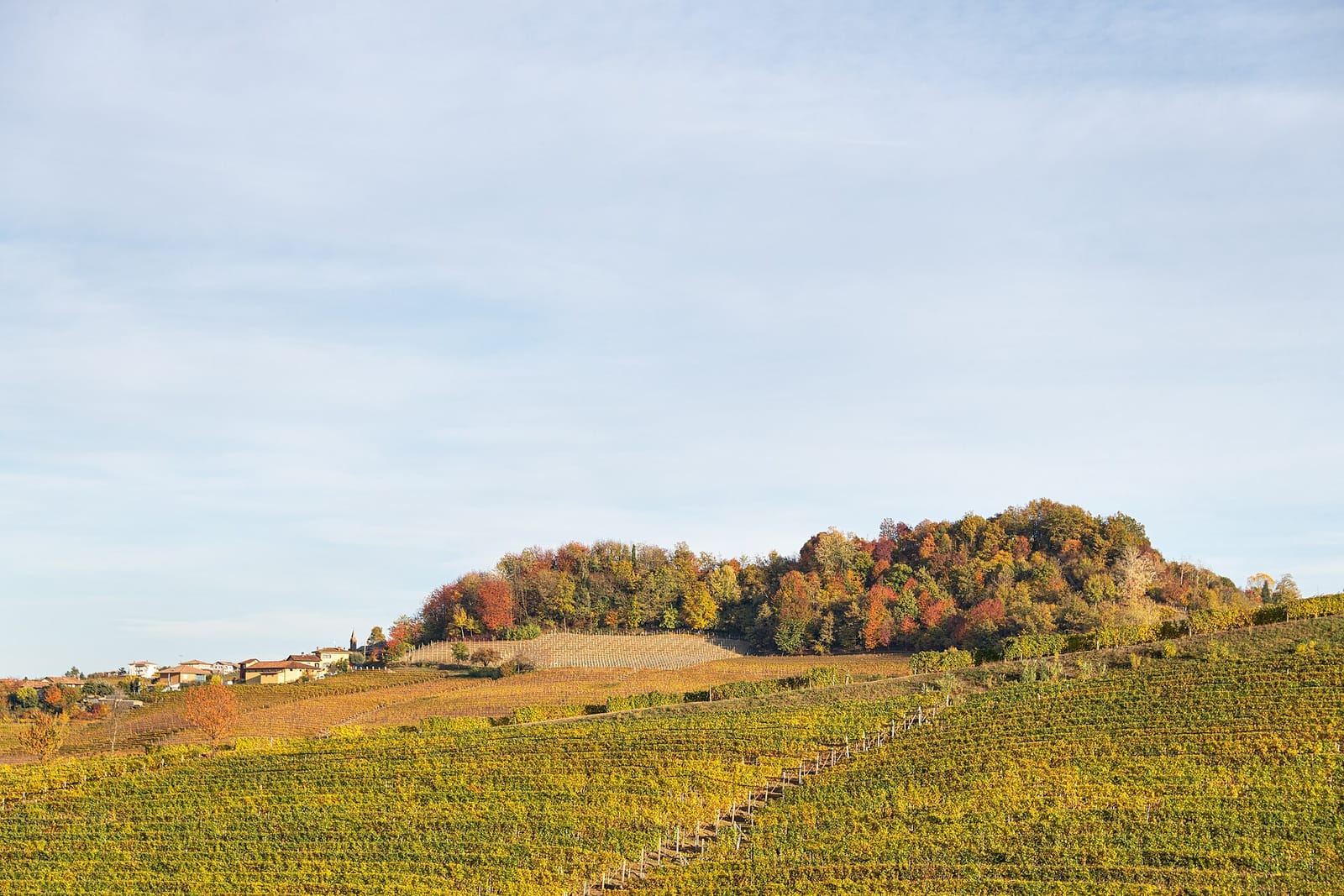
Champagne's 2026 harvest falls 48% after frost and drought
Picking started on 6 August, the earliest on record, after frost destroyed close to 40% of buds in spring. The Comité Champagne is already comparing the grapes to 1921 and 1947.
Champagne's 2026 harvest is down 48% on last year, after a spring of frost and a summer of drought left growers with the region's earliest picking date on record. Agreste, the French agriculture ministry's statistics service, put the crop at 1.3 million hectolitres, 48% below 2025 and 46% under the five-year average, figures reported by Vinetur on 17 September.
Frost in spring, drought through summer
The damage started months before harvest. Three separate frost episodes in March and early April destroyed close to 40% of buds across the appellation, according to the Comité Champagne, the body representing growers and houses. A dry, hot summer then shrank the bunches that survived, cutting yields further even as the vines themselves stayed healthy.
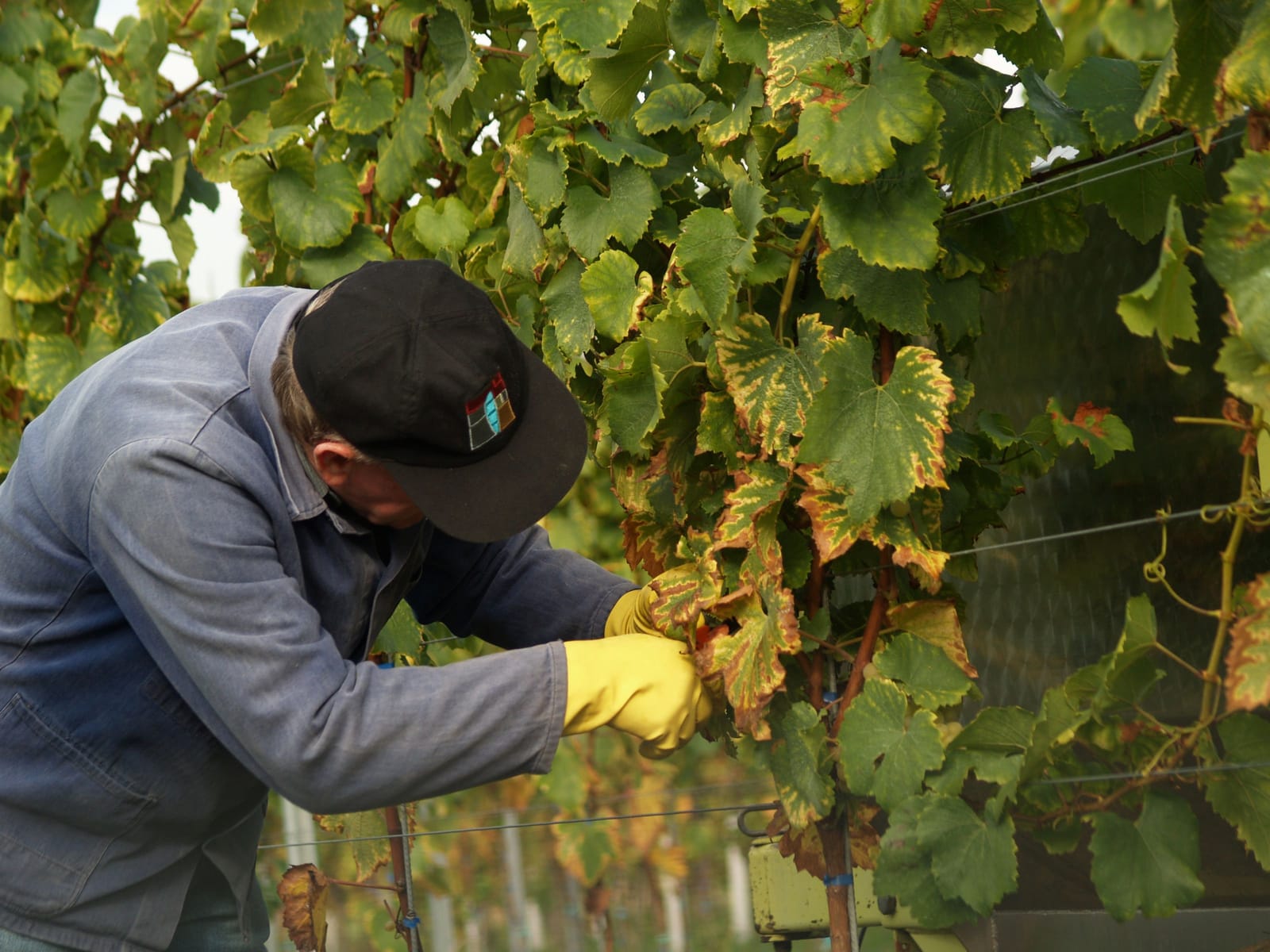
Healthy, well-balanced grapes from the smallest harvest in years — and still too early to call the vintage.
Picking began on 6 August in parts of the Aube, with the Comité declaring the official start on 12 August and widespread harvesting underway by 17 August — the earliest start on record for the appellation, driven by vines ripening faster in the heat. The permitted yield for 2026 was set at 8,800 kg per hectare, already a reduced figure before the frost and drought cut even that short.
A small crop the Comité calls exceptional
The Comité describes the surviving grapes as healthy and well balanced, and has compared the vintage's potential to historic years including 1921, 1947 and 1959 — while cautioning that it is too early to define the vintage with certainty. Authorities have granted a temporary exception allowing some affected Champagnes to reach 15% alcohol, including wines that have been chaptalised, a measure one report says will apply to only a small number of producers.
Champagne shipments were already softening before this harvest: 266 million bottles went out in 2025, down from 271 million in 2024. A sharply smaller 2026 crop gives the region less room to rebuild stock, even if the quality lives up to the Comité's early comparisons. The Michelin Guide's new Grapes rating for Champagne, launched this year, arrives just as the region has less wine than usual to show for it.