China's farmed sturgeon now supplies 60% of the world's caviar
Yidu, on the Yangtze, ships more than 10,000 tins a day from a breeding valley built where fishing nets once hung. A kilo that cost 160,000 yuan a decade ago now sells by the tin for under 200.
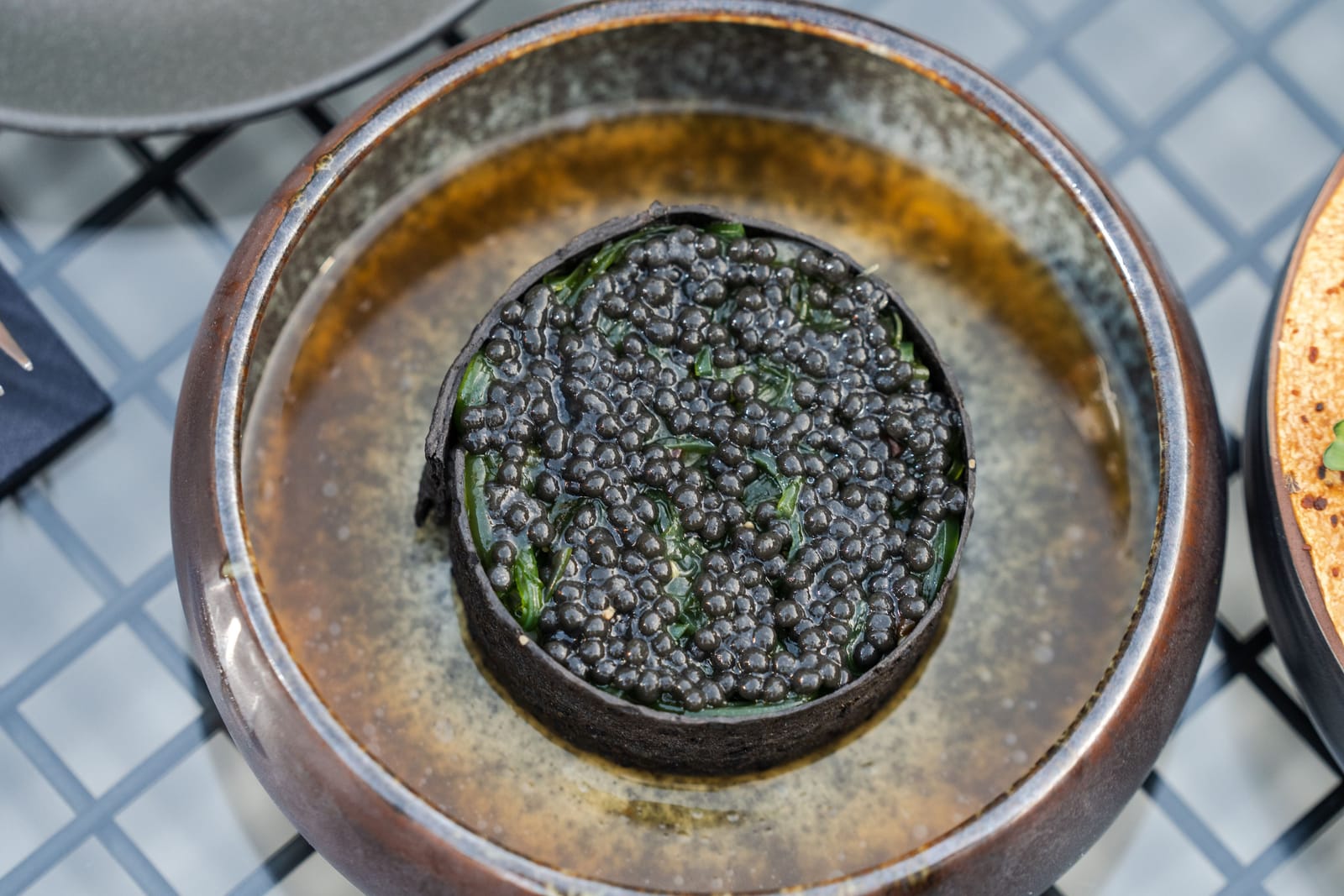
Yidu, a city on the Yangtze River in Hubei province, now produces caviar for more than 20 countries from a single breeding facility holding over a million farmed sturgeon, as China's share of global caviar output reaches roughly 60%. Xinhua, reporting from Wuhan on 18 September, traced the industry back to a fishing ban most Western coverage of Chinese caviar has missed.
Built where the nets came out
China Qingjiang (Yidu) Sturgeon Valley, established in 2018, calls itself the world's first indoor, industrial-scale sturgeon breeding facility. It holds more than 40 patents and is moving toward a fully automated digital breeding system, according to general manager Ji Jianyi, who runs the site for Qingjiang Sturgeon Valley Special Fishery Co. The valley ships over 10,000 tins of caviar a day, Ji said, sourced entirely from farmed fish raised under CITES trade rules rather than wild-caught sturgeon.
A decade ago, a kilo cost 160,000 yuan. Today a tin sells for less than 200.
The facility sits in a province that spent a decade pulling fishing gear out of the water. China tightened protection of the Yangtze ecosystem from 2016, and five years later brought in a 10-year fishing ban under the Yangtze River Protection Law. Yidu and other riverside towns removed their nets and cages entirely; water quality improved, and species once pushed out of the river began returning. Liu Zhongxing, a former fisherman who now manages the Sturgeon Valley breeding base, described the shift plainly: "We used to live off the weather, and fishing was never steady."
From 160,000 yuan a kilo to a supermarket tin
The price collapse tells its own story. A decade ago, caviar sold for as much as 160,000 yuan — roughly $23,700 — per kilogram. Today a tin costs less than 200 yuan at Chinese supermarkets, Xinhua reported, as farmed supply has replaced a market once dependent on dwindling wild stocks. Ji frames the industry's role in ecological terms: farming, he said, cuts demand for illegally harvested wild roe and eases pressure on wild sturgeon populations. Villagers around Yidu have built tourism businesses around the farms — tours, science education, dining and lodging — on top of the aquaculture work itself, a second income stream that has replaced fishing more completely than the ban alone could have. China's rivers have supplied other recovering seafood stories this year, including the hairy crab season on Yangcheng Lake, where catch volumes have likewise climbed since stricter quotas took hold.