World Pasta Day 2026 puts Parma at its centre
Riccardo Felicetti marks the 28th edition by urging small producers to retire overused claims like bronze-drawn and slow-dried, as Italy's trade numbers keep climbing.
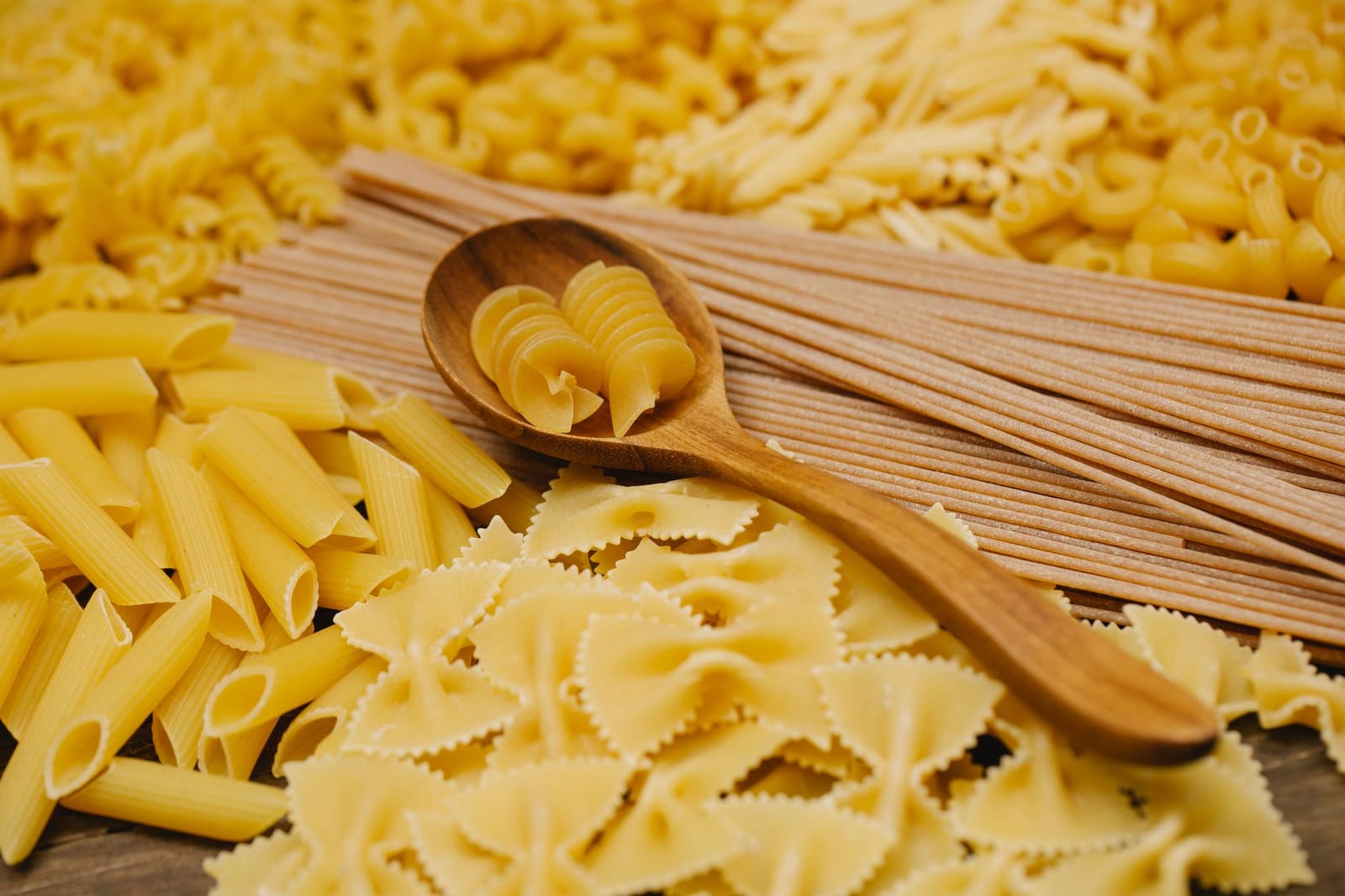
World Pasta Day falls on 25 October, and for its 28th edition organisers have made Parma the event's main hub for the first time, folding the celebration into a three-day World Pasta Week running through 27 and 28 October at the Cibus Tec fair.
The day traces back to a congress held in Rome 31 years ago, according to Riccardo Felicetti, the Trentino pasta maker at Pastificio Felicetti and a former president of the International Pasta Organisation. Three years after that congress, in 1998, it became an annual fixture. This year it is organised jointly by Unione Italiana Food and the International Pasta Organisation, with the hashtag #WorldPastaDay drawing more than 21,000 posts last year.
Felicetti used the occasion to push back on how small producers market their pasta. Terms such as bronze-drawn and dried at low temperature, he said, have been repeated so often that they have lost their meaning. Homogenisation, he added, is never good news, urging producers to build something more distinctive than a shared list of production claims.
Pasta doesn't need another adjective; the numbers already do the talking.
Italy keeps most of the trade
The numbers behind the day come from Valore Pasta, a report produced by Unione Italiana Food with The European House – Ambrosetti. Global pasta production passed 17.3 million tonnes in 2025, and Italy remains both the largest producer, at nearly 4.2 million tonnes, and the largest exporter, shipping 2.5 million tonnes abroad. That gives the country 48.3% of global pasta trade, ahead of Turkey's 2.04 million tonnes, the United States' 2 million and Egypt's 1.5 million.
Italians also eat more pasta than anyone else, at 23.1 kg a person a year. The report found that 68.6% of young Italians had eaten pasta outside traditional mealtimes in the past year, mostly in social settings, while Sunday lunch remains the dish's most cherished occasion, cited by 54.4% of respondents, ahead of a meal eaten on returning home from a long trip, cited by 32.6%.
Climate, not competitors, worries producers most
Asked what will shape the category next, 66.6% of respondents pointed to changing consumer habits, particularly shifting tastes and eating styles, cited by 35.8%. Climate change was the single most-cited factor overall, at 38.0%. Pasta's own selling points, per the same survey, are its low price, named by 43.4%, and its broad appeal across a family table, cited by 41.6%.
AMUSE has marked past pasta seasons with dough of its own, including a tagliatelle al ragù from Bologna and the truffle-season tajarin from Piedmont. Cibus Tec runs through 28 October.