Chile low-alcohol wine gets its own legal category
A decree published on 11 September lets Chilean producers make wine from 8.5% alcohol, three points below a minimum that stays in force for everything else.
Chile low-alcohol wine is now a legal category: Decree No. 68, published in the Diario Oficial on 11 September, allows wine from 8.5% alcohol, three points under the 11.5% minimum that has defined Chilean wine. The traditional threshold does not move; the new wines occupy a separate band between the two figures.
The decree, signed by President José Antonio Kast, amends the regulation of Law 18.455. It defines the product as a drink made exclusively from partially or fully fermented grape juice, table grapes excluded, using authorised oenological practices. The 8.5% floor matches the general minimum used by the International Organisation of Vine and Wine (OIV).
Agriculture Minister Jaime Campos announced on 4 September that the Comptroller General had approved the text, and said Chile had been debating the change for at least 15 years. He described it as a new class inside the existing group of special wines. The government says the target is new markets in Southeast Asia and Africa, with the rules for traditional wine left untouched.
Chile's cool south can make these wines in the vineyard; the warm centre will need machinery.
What the Chile low-alcohol wine decree allows
Beyond the new band, the decree brings in practices recommended by the OIV, including ultrasound, pulsed electric fields and high-pressure processing, and adjusts maximum doses of additives such as gum arabic and fumaric acid. According to an analysis by the Chilean wine site WiP, eight substances are newly authorised and none of them lowers alcohol by itself. Labels will not have to say how a wine reached its strength.
The text leans on market figures: a global dealcoholised and low-alcohol wine segment worth US$1.18 billion in 2023 and projected to reach US$7.89 billion by 2032. Alfonso Undurraga, president of the producers' association Vinos de Chile, said in August that the category would bring Chilean rules closer to those of other producing countries.
Cool south, warm centre
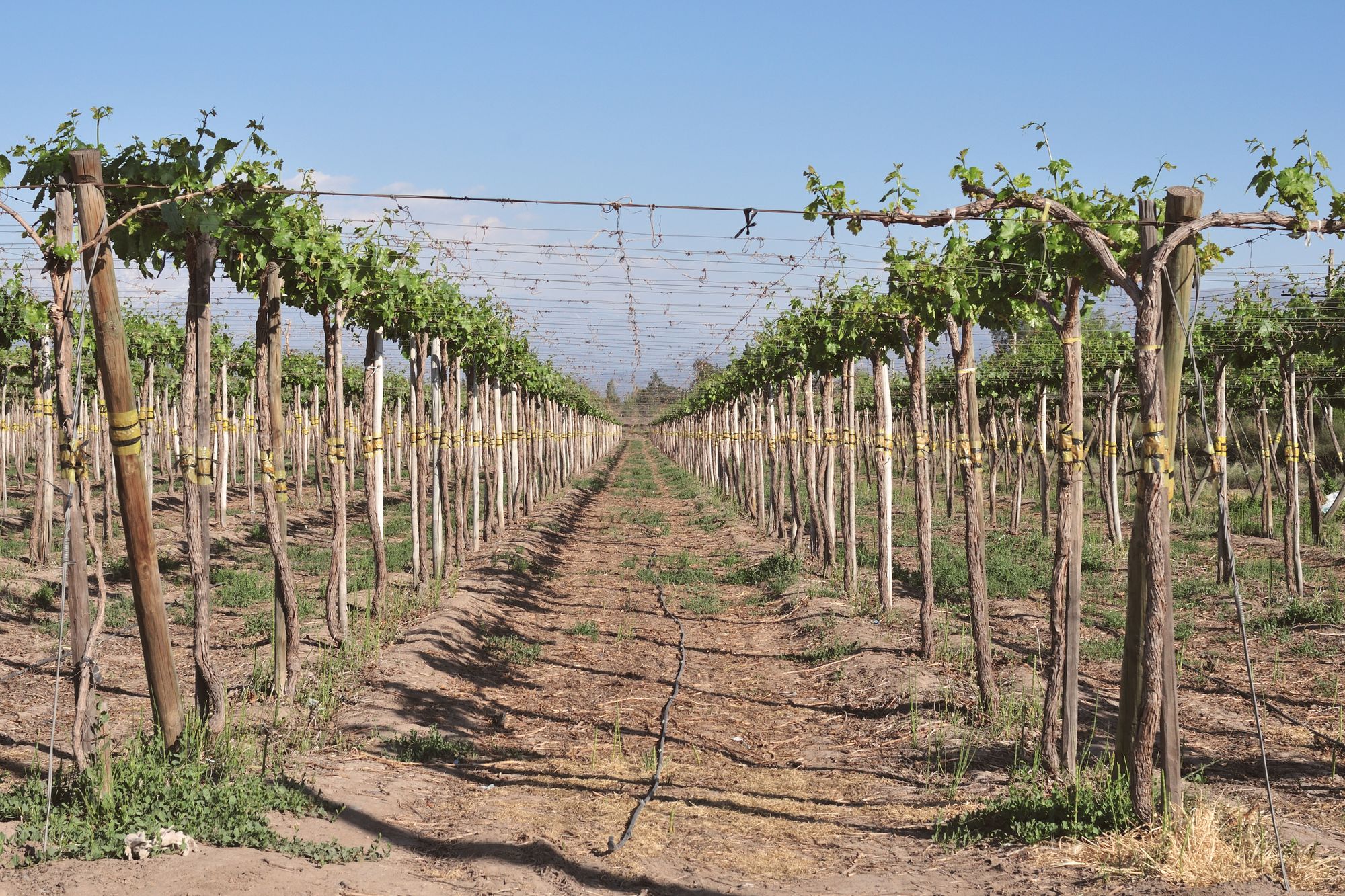
Geography decides how easy this will be. In cooler southern areas such as Itata, Bío Bío, Malleco and Osorno, grapes can reach lower sugar levels naturally and a conventional fermentation is enough. Maule, O'Higgins, Coquimbo and the Metropolitan Region, which produced 96.9% of Chile's wine in 2026, will need earlier picking, membrane filtration of the must or dealcoholisation after fermentation.
The timing follows a hard year abroad. Chilean wine exports fell 10.9% in volume and 4.3% in value in 2025, according to figures reported by El Mostrador, even as estates such as Don Melchor collect international award shortlists. Whether drinkers already reaching for alcohol-free alternatives will pay for a lighter Chilean bottle is the one question a decree cannot settle.
Sources
- CNN Chile · 2026-09-11
- WiP.cl · 2026-09-14
- Emol · 2026-09-04
- El Mostrador · 2026-08-17