Alcohol-free drinks are not a gateway, says new report
Club Soda's Gateway? No Way pulls together survey work and academic studies to test a claim the drinks industry has been arguing about for a decade.
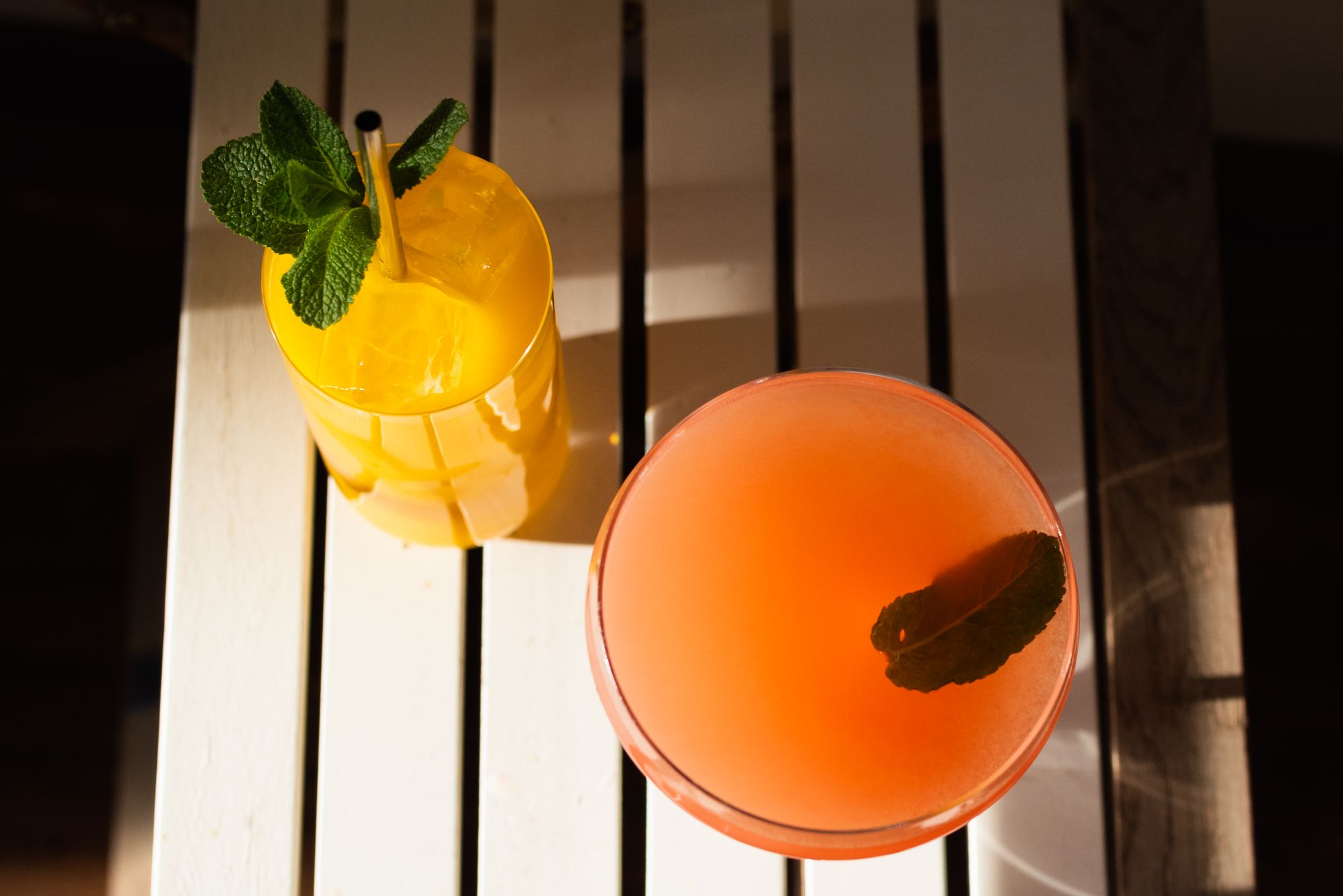
Alcohol-free drinks do not lead people into drinking, according to a report published this month by Club Soda, the UK organisation behind a low- and no-alcohol guide and tasting programme. It argues the traffic runs the other way.
The report, Gateway? No Way, gathers the organisation's own survey work and published academic studies to test the claim that low- and no-alcohol products act as a first step towards full-strength drinking, particularly among the young. It reports no evidence for it.
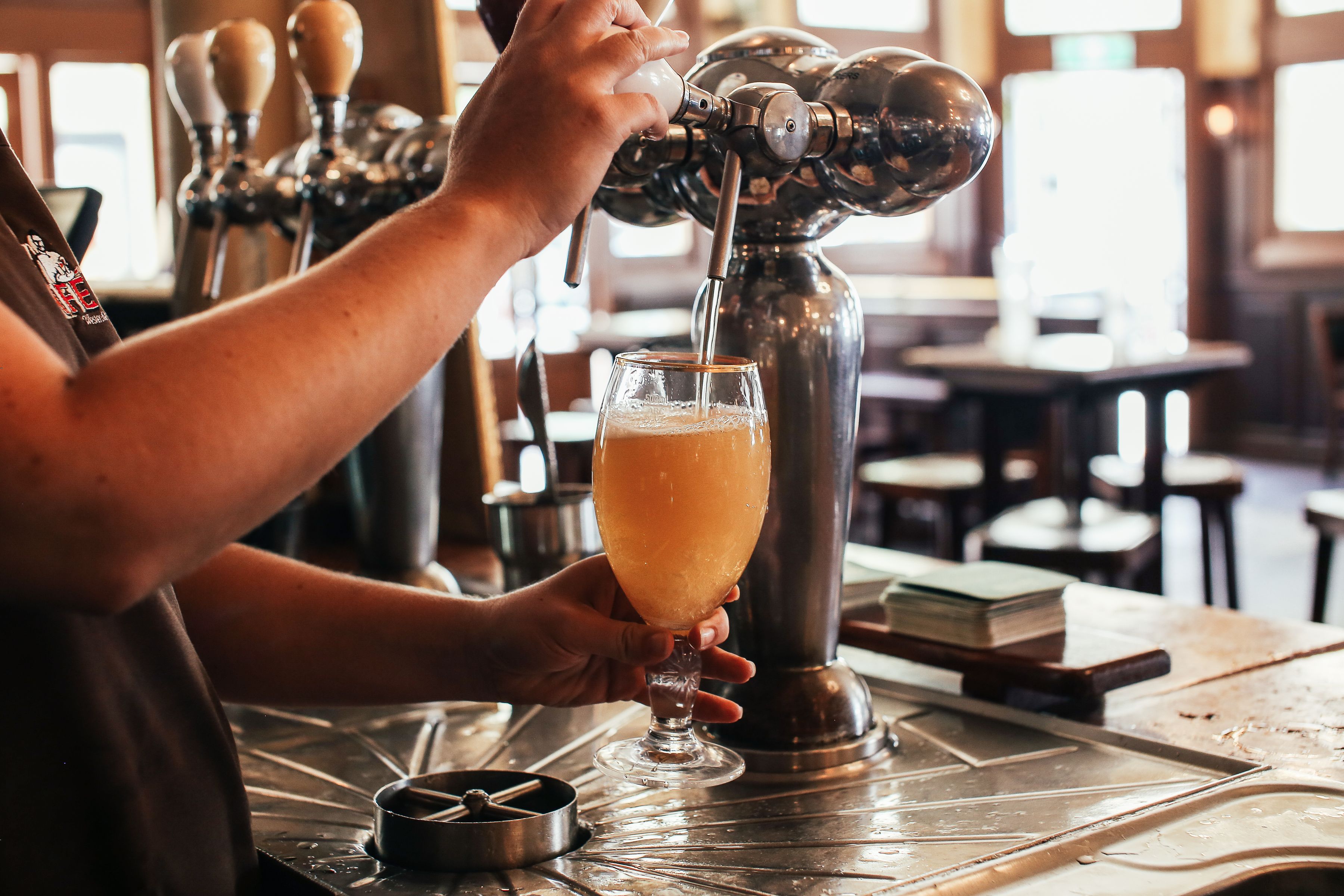
In Club Soda's survey, 94% of respondents had drunk full-strength beer before they ever tried an alcohol-free one. The order matters. If the alcohol comes first and the zero-per-cent version arrives later, the product is working as a brake rather than an on-ramp.
The order of the drinks decides the argument: alcohol first, the zero later.
What the alcohol-free drinks report found
The report cites work by Groefsema and colleagues on Dutch students, which found that those who had never drunk alcohol-free products consumed more alcohol on average than those who drank both. Most of the students using alcohol-free drinks said the products had helped them cut down.
Club Soda's own respondents described the same behaviour: days off, alternating between an alcoholic and a non-alcoholic glass across an evening, or simply wanting more choice at the bar. Very few described starting with the alcohol-free version.
Where the doubts still sit
The caution that remains is not about the general population. Clinical researchers have raised questions about how these products behave for people in recovery or otherwise at higher risk, where the taste and the ritual can act as a cue. That is a separate question from the gateway claim, and the report does not settle it.
Regulation is uneven too. A comparison of eight countries published this year in Drug and Alcohol Review found that the definition of alcohol-free changes at the border, from 0.0% to 0.5% ABV depending on the market, which makes cross-country readings awkward.
For bars the practical point is stock. The category now needs a list of its own rather than a line under soft drinks, and operators have an argument to hand anyone who still shelves it there. Wine, meanwhile, is heading for the smallest French harvest since 1957. The back bar is being reorganised from both ends.
Sources
- The Drinks Business · 2026-09-09
- The Caterer · 2026-09-10
- Drug and Alcohol Review — Burton et al., regulation in eight countries · 2026-03-01