Baba Ganoush Recipe: Ottolenghi's Charred Aubergine Dip
A coarse, smoky Levantine aubergine dip built on fire rather than a blender, made the way chef Yotam Ottolenghi publishes it: charred whole, drained, and dressed with pomegranate molasses.
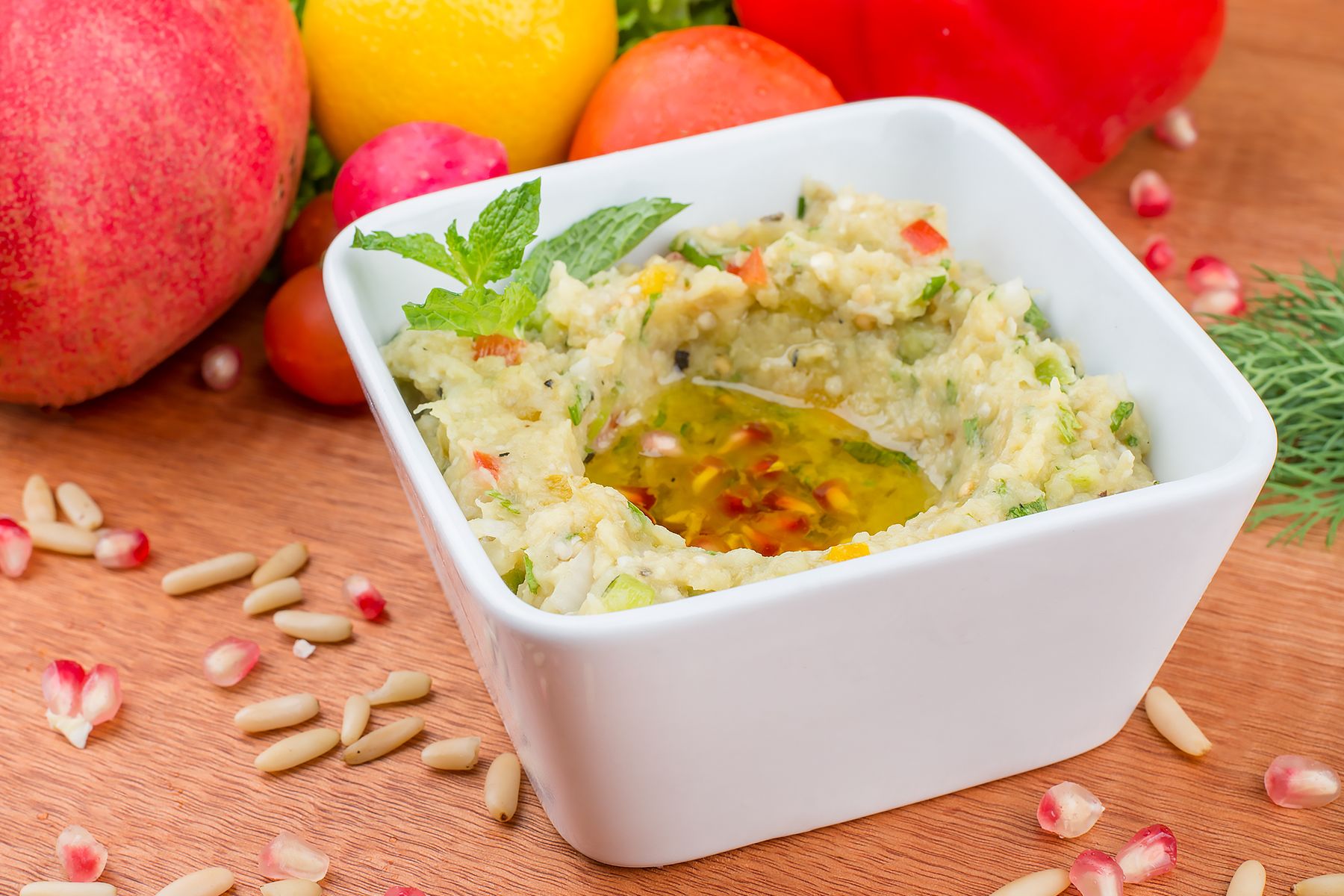
Baba ganoush is the charred-aubergine dip of Syria and Lebanon, and this baba ganoush recipe turns on one non-negotiable step: burning the skin black before anything else happens.
Unlike its cousin mutabal, which folds in tahini and gets blended smooth, baba ganoush stays coarse, dressed with lemon, garlic and pomegranate molasses instead. This version follows the method chef Yotam Ottolenghi publishes on his own site, built on the Levantine habit of cooking aubergine in fire rather than an oven. September is late aubergine season across the Mediterranean, when the fruit runs largest and most watery, exactly what this technique is built to handle.
Ingredients
Burn the skin until it looks ruined, and the smoke underneath finally tastes right.
- 800 g aubergine (about 3 medium)
- 1 small red pepper, finely diced
- 1 small green pepper, finely diced
- 1 ripe tomato, finely diced
- 2 garlic cloves, crushed
- 2 spring onions, finely chopped, plus 1 extra sliced for garnish
- 15 g flat-leaf parsley, chopped, plus extra to finish
- 1 tbsp lemon juice
- 2 tbsp pomegranate molasses
- 80 ml extra virgin olive oil, divided
- 40 g pomegranate seeds
- Fine sea salt, to taste
Method
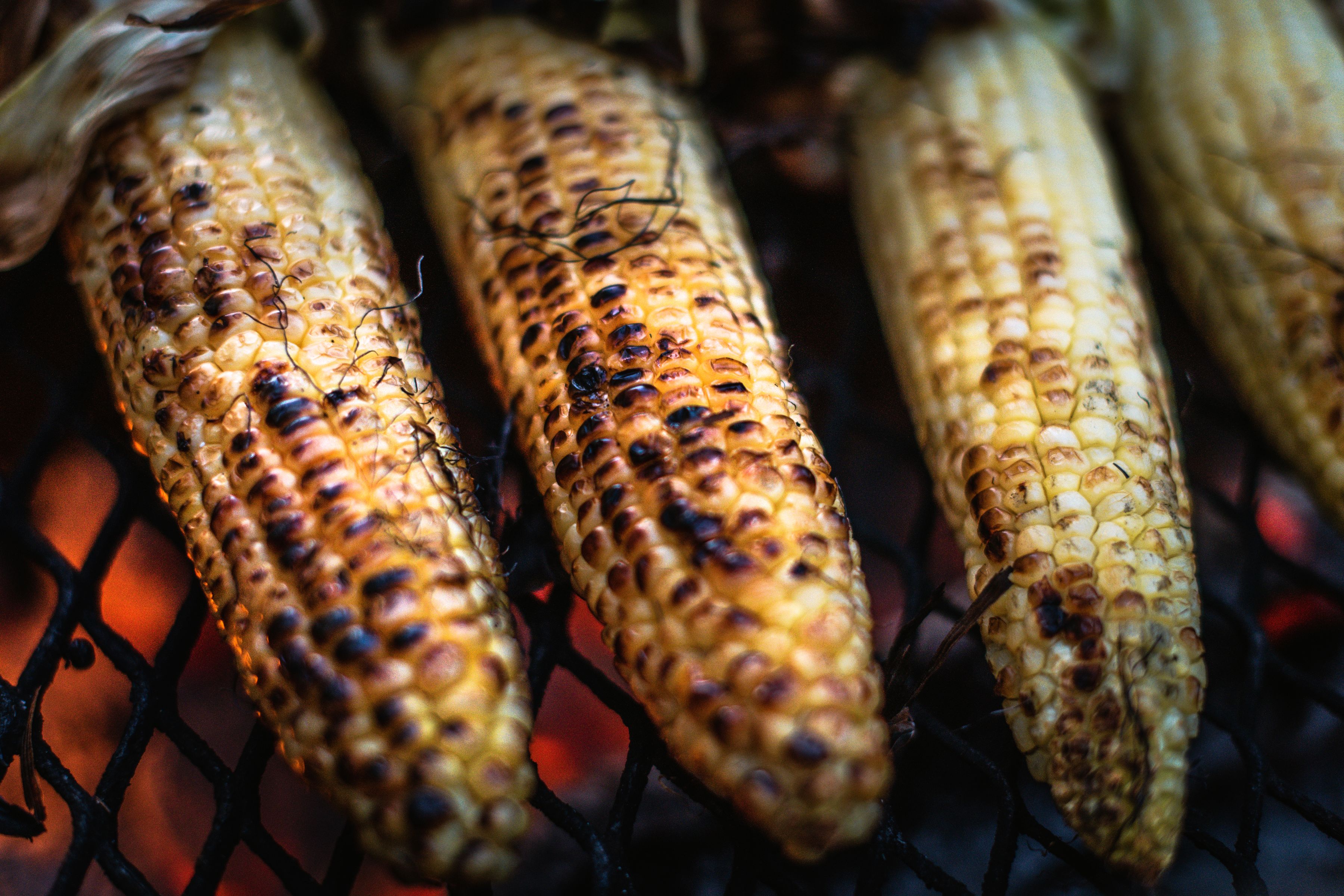
- Prick each aubergine with a fork, then set it directly over a high gas flame or a very hot ridged griddle. Char 35-40 minutes, turning as the skin blisters, until fully collapsed and hollow. Direct flame scorches the skin's sugars into real smoke flavor an oven can only approximate.
- Let the aubergines cool enough to handle, split them open and scrape the flesh from the blackened skin. Peeling off the char now, rather than blending it in, keeps the dip free of bitterness and grit.
- Drain the flesh in a colander for 30-40 minutes, pressing now and then. Charred aubergine holds a surprising amount of watery, bitter liquid, and draining it concentrates the smoke instead of diluting it on the plate.
- Roughly chop the drained flesh with a knife, not a food processor. Texture is what separates baba ganoush from the silky mutabal it's often mistaken for, so cutting by hand keeps the coarse, fibrous shreds intact.
- Fold the chopped aubergine with the peppers, tomato, garlic, half the spring onion, the parsley, lemon juice, 1½ tablespoons of the molasses, most of the oil and a pinch of salt. Mix gently, so the raw vegetables stay crisp against the soft aubergine.
- Spread onto a shallow plate, drizzle with the remaining molasses and oil, then scatter over the pomegranate seeds, remaining spring onion and extra parsley. The last drizzle gives a sharp, sweet-sour note a dip mixed evenly through never gets.
Mutabal, not baba ganoush
The two dishes get swapped on menus constantly, but they aren't the same plate: mutabal is tahini-heavy and pureed smooth, while this baba ganoush recipe stays chunky and leans on acid and sweetness rather than sesame. Serve it at room temperature with warm flatbread, alongside another late-summer starter like AMUSE's baked figs with feta and honey.
Covered and refrigerated, it keeps two days, and the flavor improves overnight as the garlic and molasses settle into the aubergine.
Sources
- Ottolenghi — Baba Ganoush recipe · 2026-09-10