Bagna cauda recipe: Asti's slow garlic and anchovy dip
Piedmont's autumn starter comes down to one technique: garlic and anchovies melted into olive oil over the lowest flame. Here it is for four, with the vegetables to dip.
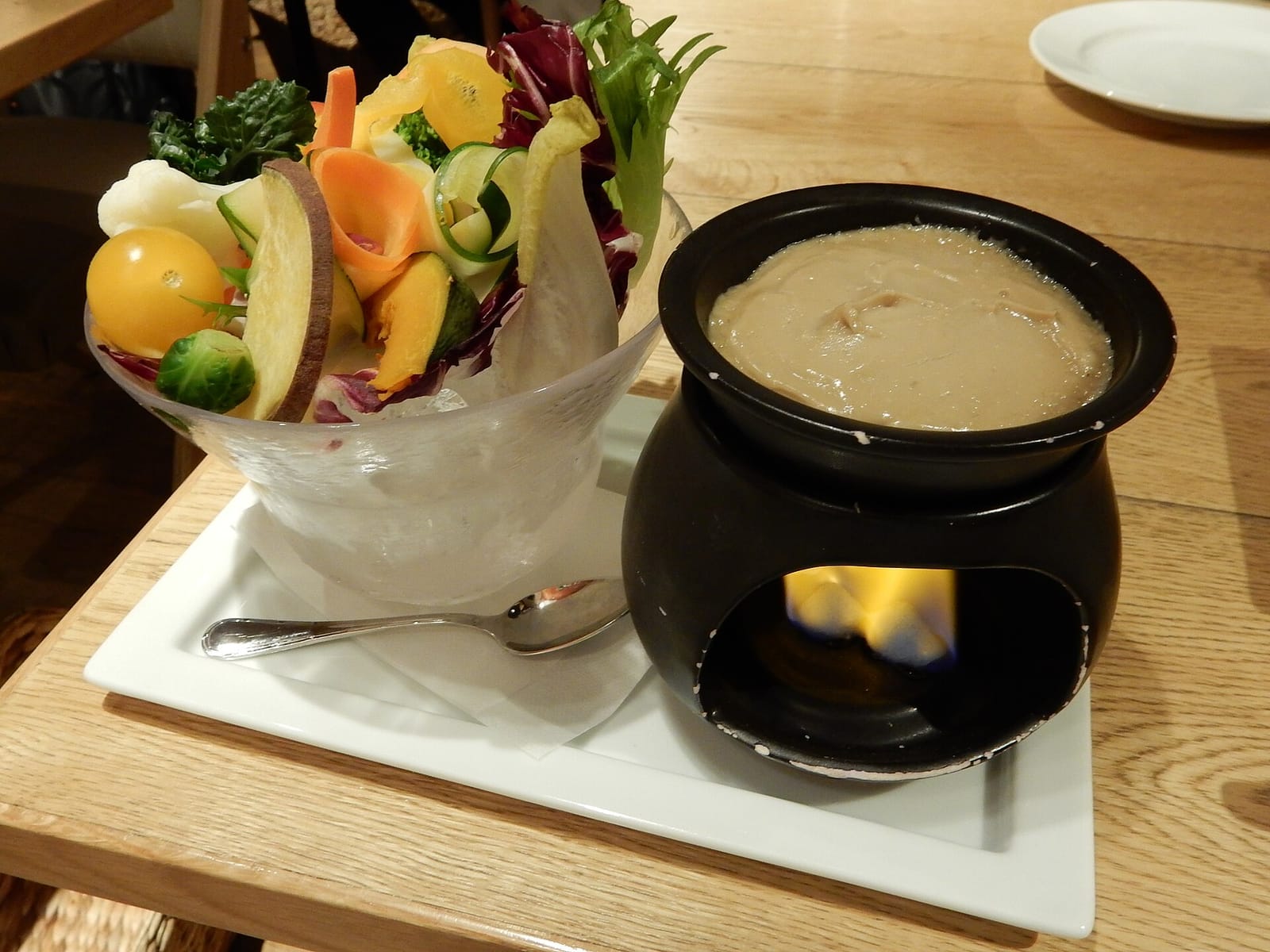
This bagna cauda recipe follows the one Piedmontese rule that matters: garlic and anchovies melt into olive oil over the lowest possible heat, so the sauce turns sweet and creamy instead of sharp or fried. It is the autumn starter of Asti and the Langhe, eaten hot from a terracotta pot with raw and cooked vegetables.
The name means “hot bath” in Piedmontese. The dish has been cooked in lower Piedmont since at least the 16th century, built on salted anchovies carried inland along the salt roads, although the first detailed written description only dates from 1875, by the writer Roberto Sacchetti. In 2005 the Asti delegation of the Accademia Italiana della Cucina deposited its reference version with a notary: one head of garlic and about 50 g of anchovies per person.
The season is now. The Associazione Culturale Astigiani holds Bagna Cauda Day across Asti, the Monferrato and the Langhe on 20-22 and 27-29 November 2026, a few weeks after the World Truffle Auction at Grinzane Cavour. The quantities below are our own, for four as a starter.
Bagna cauda is less a recipe than a temperature: oil that trembles but never fries.
Ingredients
- 4 heads of garlic
- 200 g salt-packed anchovies (or 100 g oil-packed fillets)
- 100 ml red wine, ideally Barbera
- 350 ml mild extra virgin olive oil
- 20 g unsalted butter (optional)
- 4 celery sticks or 1 cardoon, cut into batons
- 300 g Jerusalem artichokes, thinly sliced
- 2 red peppers, roasted and peeled
- 300 g pumpkin, sliced and roasted
- 8 small potatoes, boiled in their skins
- Bread, to serve
- 2 eggs, for the end (optional)
Method
- Peel the garlic, halve each clove and remove the green germ. The germ is the bitter part, and in a sauce that is mostly garlic it would dominate.
- Rinse the anchovies under cold water, lift out the backbones, then soak the fillets in the wine for a few minutes and pat dry. The wine strips residual salt and adds acidity that cuts the oil.
- Cook the garlic with 100 ml of the oil in a heavy terracotta or cast-iron pan over the lowest heat for about 20 minutes, until soft enough to crush. It must not colour: browned garlic turns bitter, poached garlic turns sweet.
- Add the anchovies and the remaining oil and keep on the lowest heat for 20-30 minutes, stirring with a wooden spoon until the fillets dissolve. The oil should tremble, never sizzle, or the fish toughens and the sauce splits.
- Crush everything into a loose cream and stir in the butter, if using; it rounds off the anchovies and helps the sauce hold together.
- Serve in a fujot, the terracotta warmer with a candle underneath, or a fondue pot, keeping it barely bubbling. Dip the vegetables and catch the drips with bread.
- When only a thick layer is left, scramble the eggs in the pot. It is the traditional last course and wastes nothing.
A gentler version and what to drink
For a milder sauce, many cooks simmer the garlic in a glass of milk instead of oil for the first stage, then drain it before adding the anchovies and all the oil. Purists in Asti call that a different dish; first-timers usually prefer it. Pour a young Barbera, whose acidity handles garlic and salt better than a tannic Barolo, and if you want a second Piedmontese starter, make vitello tonnato the day before.
Bagna cauda recipe: common questions
Can I make bagna cauda ahead? Yes. It keeps for up to three days in a sealed jar in the fridge; reheat it very gently and stir, because the oil separates as it cools.
Can I use oil-packed anchovies? Yes, about half the weight, since they are already filleted and desalted. Skip the wine soak and drain them well.
Is bagna cauda served hot or cold? Always hot, which is what the name says. If it cools on the table it turns greasy, so keep a flame under the pot.