Linzer torte recipe: Austria's oldest named cake
Austria's oldest recorded cake recipe: a hazelnut pastry ring with redcurrant jam, traced to a 1653 manuscript at Admont Abbey, rebuilt with today's proportions and a reason for every step.
Linzer torte is Austria's oldest named cake on record, a ring of spiced hazelnut pastry filled with tart redcurrant jam under a woven lattice top, and its defining technical point is a dough built from more butter and ground nuts than flour, which keeps the crumb short rather than elastic.
The earliest written trace of it sits in a cookbook dated 1653, bound into the library of Admont Abbey in Styria, Austria. Four of its recipes carry the name "Linz," and in 2005 librarian Waltraud Faißner identified the manuscript as the oldest known cake recipe on paper, displacing a 1696 Viennese copy that had held the record.
The torte became a household name a century and a half later, when pastry chef Johann Konrad Vogel began selling it commercially from Linz around 1823, fixing the lattice top and jam window that still identify it. It sits a world from Vienna's own pastry, the hand-stretched apple strudel, which depends on gluten rather than avoiding it.
More nuts than flour is what keeps a Linzer crumb short, not a trick.
Ingredients
- 250 g plain flour
- 200 g unsalted butter, cold and cubed
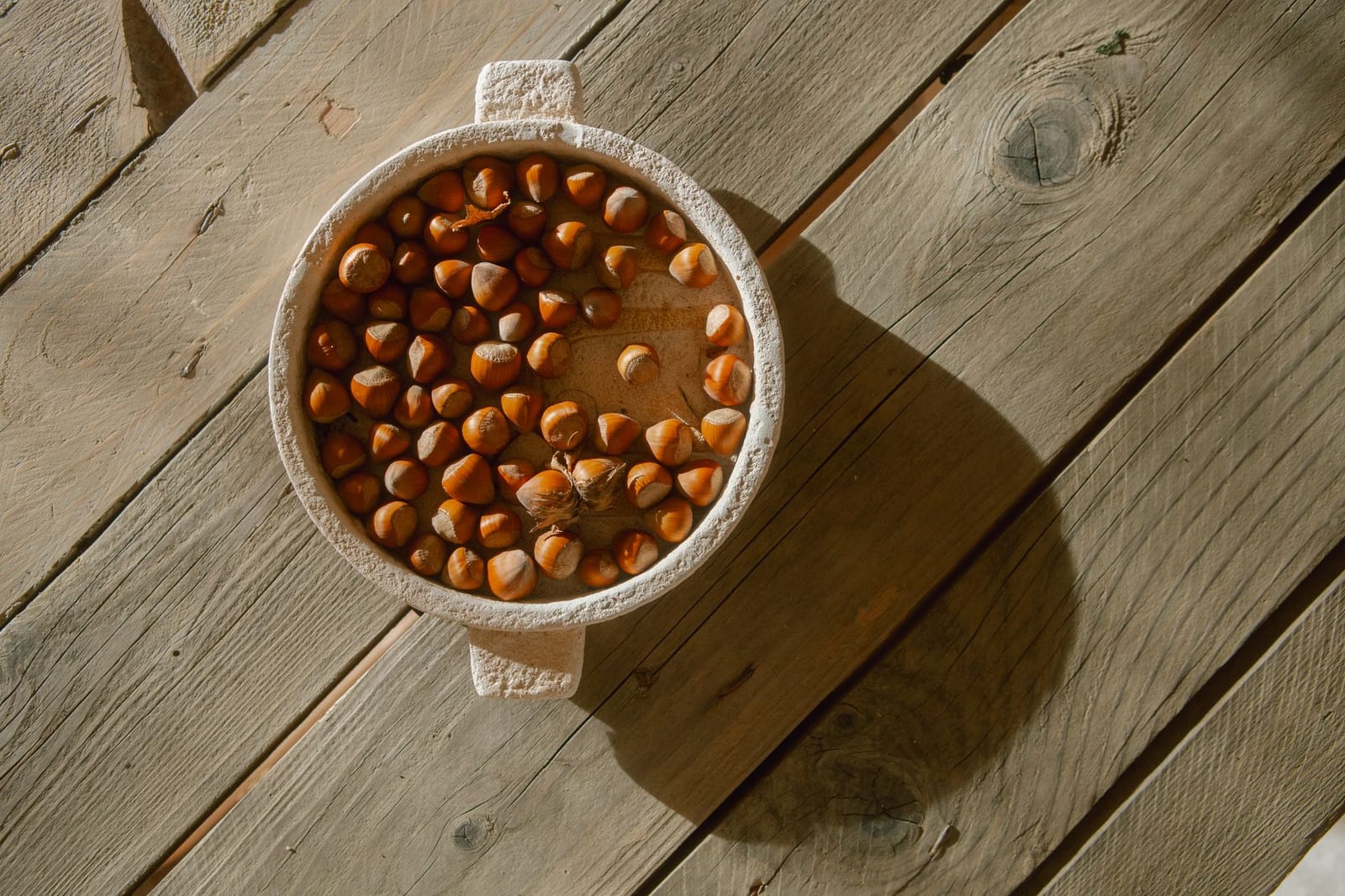
- 200 g hazelnuts, toasted and finely ground
- 150 g caster sugar
- 2 egg yolks
- 1 tsp ground cinnamon
- 1/4 tsp ground cloves
- Zest of 1 lemon
- 1 tbsp dark rum (optional)
- 350 g redcurrant jam
- 1 egg white, for brushing
- 30 g whole hazelnuts, for the border
Method
- Rub the cold butter into the flour and ground hazelnuts until the mixture looks like damp breadcrumbs. Working it by hand, rather than creaming it, keeps the butter in small pieces, which is what gives the baked pastry its short, sandy bite instead of a tough one.
- Stir in the sugar, cinnamon, cloves, lemon zest, egg yolks and rum, then bring it together into a dough with the lightest touch. Overworking it develops what little gluten the flour has, and a stretchy dough tears instead of rolling into clean lattice strips.
- Press the dough into a disc, wrap it, and chill for 45 minutes. A cold, firm dough holds its shape as you lift and cross the lattice strips; a warm one simply collapses.
- Heat the oven to 180°C (356°F). Roll two-thirds of the dough into a base slightly thicker than usual and press it into a buttered 24 cm tart ring, so it can support the jam without splitting.
- Spread the redcurrant jam in an even layer to the edge. Its sharpness cuts through the sugar and butter in the pastry; a sweeter jam, such as raspberry, needs less sugar in the dough to compensate.
- Roll the remaining dough into strips about 1 cm wide and lay them over the jam in a diagonal lattice, pressing the ends onto the rim. Scatter whole hazelnuts around the border and brush the strips with egg white for a light shine.
- Bake for 35-40 minutes, until the lattice turns a dark, nutty brown and the jam bubbles between the strips. That deep colour matters: pale Linzer pastry tastes of raw flour, and only sustained heat lets the hazelnuts caramelise properly.
- Cool completely in the ring, at least 2 hours, before unmoulding. The jam needs that time to firm up again; cut while warm, it runs straight out of the lattice.
Serving and keeping it
Linzer torte is traditionally served in thin wedges with barely sweetened whipped cream, which softens the spice without masking it. It is not a cake to rush: Austrian bakers usually rate it better on its second day, once the jam has soaked slightly into the pastry below.
Can I use a different jam? Raspberry or apricot are accepted substitutes for redcurrant, and walnuts stand in for hazelnuts in some regions; both changes shift the sweetness, so taste the jam before deciding whether to add sugar to the dough.
How long does it keep? Wrapped and left at room temperature, Linzer torte keeps for 4-5 days; the jam acts as a natural barrier that keeps the pastry underneath from drying out.