Canelé recipe: Bordeaux's caramelized custard pastry
A fluted French pastry with a bitter-dark crust and a wobbling custard center, built on a 24-hour batter rest and a two-stage oven heat that bakers in Bordeaux never skip.
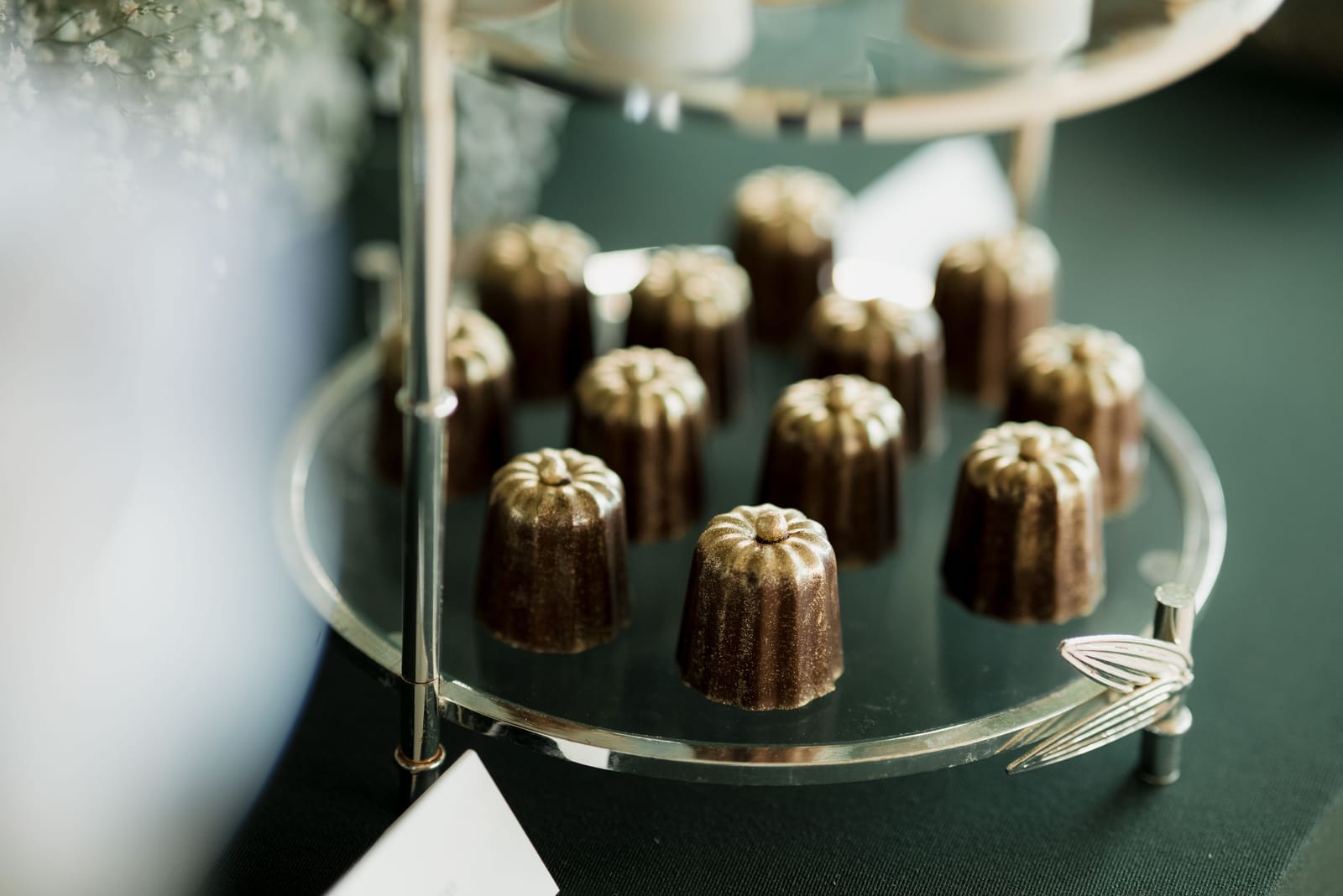
Canelé de Bordeaux is a small, fluted pastry built on contrast: a mahogany-dark, almost bitter crust wrapped around a custard so soft it wobbles. Getting both right in the same bite comes down to one unglamorous step — resting the batter a full day before it ever sees an oven.
The recipe traces back to Bordeaux's convents and its wine trade. Winemakers once used egg whites to clarify young wine, leaving a surplus of yolks, and tradition holds that nuns worked them into a rich, rum-scented batter baked in small fluted molds. The region's 2026 harvest had its own rough year with the heat, finishing weeks early.
A single spelling quirk marks out the real thing. In 1985, Bordeaux's confrérie du canelé dropped one "n" from the old "cannelé" to separate its pastry from imitators cutting corners on the rest or the heat.
The rest matters more than the mold: that's what turns batter into canelé.
Ingredients
- 500 ml whole milk
- 50 g unsalted butter
- 1 vanilla pod, split lengthways
- 200 g caster sugar
- 100 g plain flour
- A pinch of fine sea salt
- 2 whole eggs, plus 2 egg yolks
- 1 tbsp dark rum
- Butter or neutral oil, for the molds
Method
- Warm the milk with the vanilla pod and butter until the butter just melts, not boiling. Gentle heat draws the vanilla's oils into the milk without cooking off its aroma.
- Whisk the eggs and sugar together, then sift in the flour and whisk smooth. Sifting first stops the flour clumping once warm milk goes in.
- Add the salt and rum, then pour in the lukewarm milk, whisking to a thin, lump-free batter. Milk added too hot starts cooking the eggs at the edges, a grain that never disappears later.
- Cover and refrigerate overnight, ideally a full 24 hours. The rest lets the flour's starches relax, giving canelé its dense, custardy crumb instead of a cakey one.
- Heat the oven to 220°C (430°F). Grease the molds with butter unless using silicone. Fill them, leaving a little room — the canelés rise slightly before settling.
- Bake at 220°C for 8 minutes to set the crust, then lower to 180°C (350°F) for 40 more minutes, until dark and crisp. The initial blast builds the shell; the gentler heat cooks the custard through without drying it.
- Unmould onto a rack and cool at least 20 minutes, ideally two hours, before eating. Hot from the oven, the custard is still too loose to hold its wobble.
Why rum and Sauternes still belong together
Canelé keeps its contrast for only a few hours: the crust softens as the day goes on, so bakeries near Bordeaux's Marché des Capucins sell them from the morning and expect them gone by evening. Eat them the same day, a few hours out of the oven.
The rum nods to Bordeaux's old trade with the Caribbean, and it is why a glass of Sauternes, the sweet wine made a few kilometres south, is the pairing locals reach for. Black coffee does the same job without sweetness on sweetness.
Can you make canelé without a copper mold? Yes — silicone needs no greasing and is more forgiving, though copper conducts heat fastest and gives the deepest, darkest crust.