Chettinad chicken curry recipe: the roast-and-grind method
Tamil Nadu's signature curry gets its depth from whole spices roasted before grinding, not after. Here's the Chettinad technique, with or without the region's hardest-to-find aromatics.
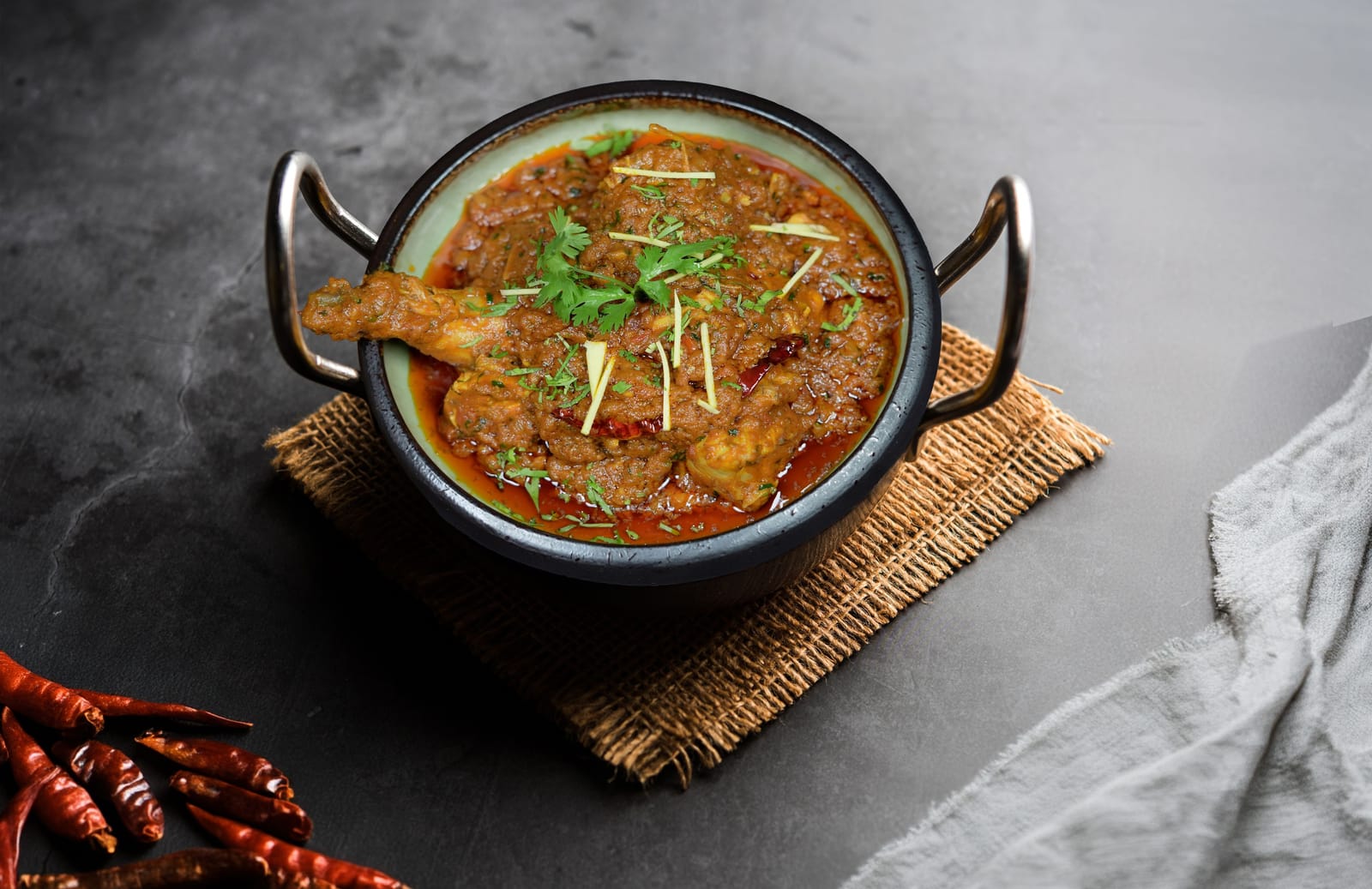
Chettinad chicken curry is Tamil Nadu's answer to a simple question: what happens if you roast whole spices before you grind them, rather than frying the powder once it's already ground. The order changes everything, which is why this Karaikudi classic tastes layered rather than just hot.
Chettinad cuisine comes from the trading communities of the Chettinad region, a cluster of towns around Karaikudi in Tamil Nadu whose merchants once dealt in spices across South and Southeast Asia and brought unusual aromatics home with them. Two of those, kalpasi (dried lichen, sometimes called stone flower) and marathi moggu (a dried kapok bud), still turn up in the most traditional versions of this curry, though plenty of good cooks leave them out.
The dish is also part of a wider culinary record. Chef Damu, the Chennai-based cookery teacher and television judge who died in Chennai on 25 October at 72, spent decades writing about exactly this kind of Tamil home cooking, in books aimed at keeping techniques like this one in regular use rather than in museum cases.
Roast the spices before you grind them, and the gravy never needs cream to taste rich.
Ingredients
- 800g bone-in chicken thighs and drumsticks, cut into pieces
- 2 tbsp sesame (gingelly) oil
- 1 tsp black peppercorns
- 1 tsp fennel seeds
- 1 tsp cumin seeds
- 4 dried red chillies
- 1 star anise
- 1 small piece cinnamon stick, about 2.5cm
- 1 small piece kalpasi (stone flower), optional
- 1 marathi moggu (dried kapok bud), optional
- 3 tbsp grated fresh coconut
- 2 onions, finely chopped
- 2 tomatoes, chopped
- 1.5 tbsp ginger-garlic paste
- 1/2 tsp turmeric
- 2 sprigs curry leaves
- Salt, to taste
- A handful of fresh coriander, chopped
Method
- Dry-roast the peppercorns, fennel, cumin, chillies, star anise, cinnamon and the kalpasi and marathi moggu if using, in a dry pan over medium heat for 1-2 minutes, until they darken slightly and smell toasted. Roasting before grinding, not after, opens the oils sealed inside the spice coats under dry heat, so the finished masala tastes rounded instead of raw and sharp.
- Grind the roasted spices with the coconut and a splash of water into a smooth, thick paste. The coconut carries the ground spice through the gravy without needing cream or yoghurt, which is why this curry tastes dense rather than heavy.
- Heat the oil in a heavy pan and fry the onions until deep golden, 8-10 minutes. Add the ginger-garlic paste and cook for another minute, until the raw smell disappears.
- Add the tomatoes and turmeric, and cook down to a soft, jammy pulp, about 5-6 minutes.
- Add the chicken and turn the pieces in the onion-tomato base for 4-5 minutes, letting them catch a little colour before any liquid goes in. Browning here, before the gravy is wet, builds a savoury base that can't develop once liquid is added.
- Stir in the ground spice paste and 250ml water, cover, and simmer on low heat for 25-30 minutes, until the chicken is tender and the gravy has thickened enough to cling to the meat. Bone-in pieces release gelatine as they cook, which gives the gravy its body.
- Stir in the curry leaves and most of the coriander, simmer uncovered for 2 minutes so the leaves perfume the dish, then scatter the rest of the coriander on top.
Kalpasi, marathi moggu and what to do without them
Both aromatics are sold in South Indian grocers under their Tamil names, and neither has a close substitute, so cooks who can't find them simply leave them out rather than reaching for something else. The curry loses a faint smoky, resinous note but keeps its structure, since the pepper, fennel and roasted chilli still do most of the work.
Serve it with plain rice, idli or dosa to soak up the gravy, and keep the drink simple: a cold filter coffee or a light lager both work better alongside the spice than wine does.
Can I make this Chettinad chicken curry recipe without kalpasi? Yes — leave out both kalpasi and marathi moggu if you can't find them; the curry keeps its heat and structure from the pepper, fennel and roasted chilli, just without a faint smoky note.