Beef prices climb 9.4% as US menus run out of room
USDA data point to another 9.4% rise in beef and veal prices this year, and operators from Oklahoma to Texas say menus have no room left to absorb the cost.
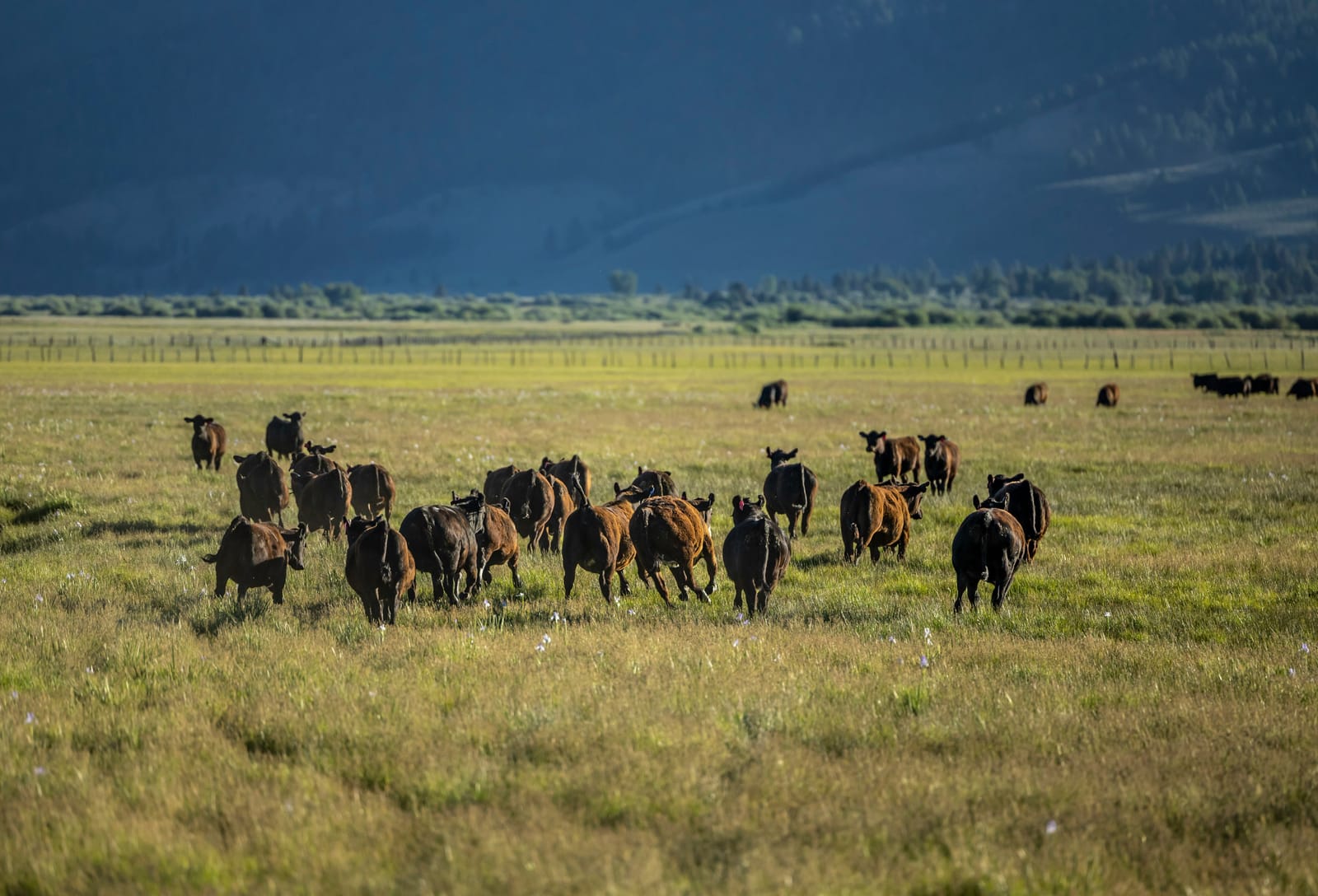
Beef prices in the United States are set to climb another 9.4% this year, and restaurant owners from Oklahoma to Texas say their menus have no room left to absorb it.
The forecast comes from the US Department of Agriculture's September food price outlook, analysed in a 5 October farmdoc daily note by agricultural economist Gerald Mashange. It puts 2026 beef and veal prices 9.4% above last year, with a further 4.7% rise pencilled in for 2027. Through August, the category was already running 5.9% above the same month a year earlier.
Beef prices by the numbers
The herd shrank years ago; the menus are only now catching up.
Bureau of Labor Statistics data cited in the same analysis show uncooked ground beef averaging $7.16 a pound in August, up 7.9% year on year. Industry estimates put the five-year increase at close to 100%, roughly double what operators paid in 2021.
Brandon Hines, who runs OklaHomies Mobile Gastronomy in Owasso, Oklahoma, buys about 500 pounds of ground beef a week. "It's gone up almost double in the last five years," he said. An extra 30 cents a pound "may not sound like a lot," he added, but across his weekly order it adds roughly $1,000 in cost. He is planning a roughly 10% increase across beef items on his menu.
A shrinking herd behind the squeeze
The US beef cow herd stood at 28.5 million head on 1 July 2026, down 1% on the year and near a multi-decade low, according to USDA figures cited by farmdoc. Consumption is running about 8% above its 20-year average while domestic production stays below its own historical average, a gap that keeps pulling prices up.
The National Restaurant Association's 2026 State of the Restaurant Industry report frames the squeeze more broadly: food costs are up 34% on pre-pandemic levels, and 82% of operators said costs rose again over the past year. Nine in ten full-service operators responded by raising menu prices, and six in ten cut items altogether. "The industry will remain challenged, especially in regard to costs," said NRA chief economist Chad Moutray.
Demand has not caved in response. Gary Joiner, a spokesperson for the Texas Farm Bureau, describes consumers as resilient, still paying record prices at the butcher counter and the table rather than trading down. Spain's restaurants have faced a similar price treadmill this year, though driven more by fuel and wages than by beef. Most US operators are responding less by cutting beef from menus than by renegotiating with suppliers and resizing orders, not portions.
Analysts do not expect meaningful relief before 2028 or 2029, as herds rebuild slowly from the current lows. For now, Hines's 10% increase is the more immediate number on the table.