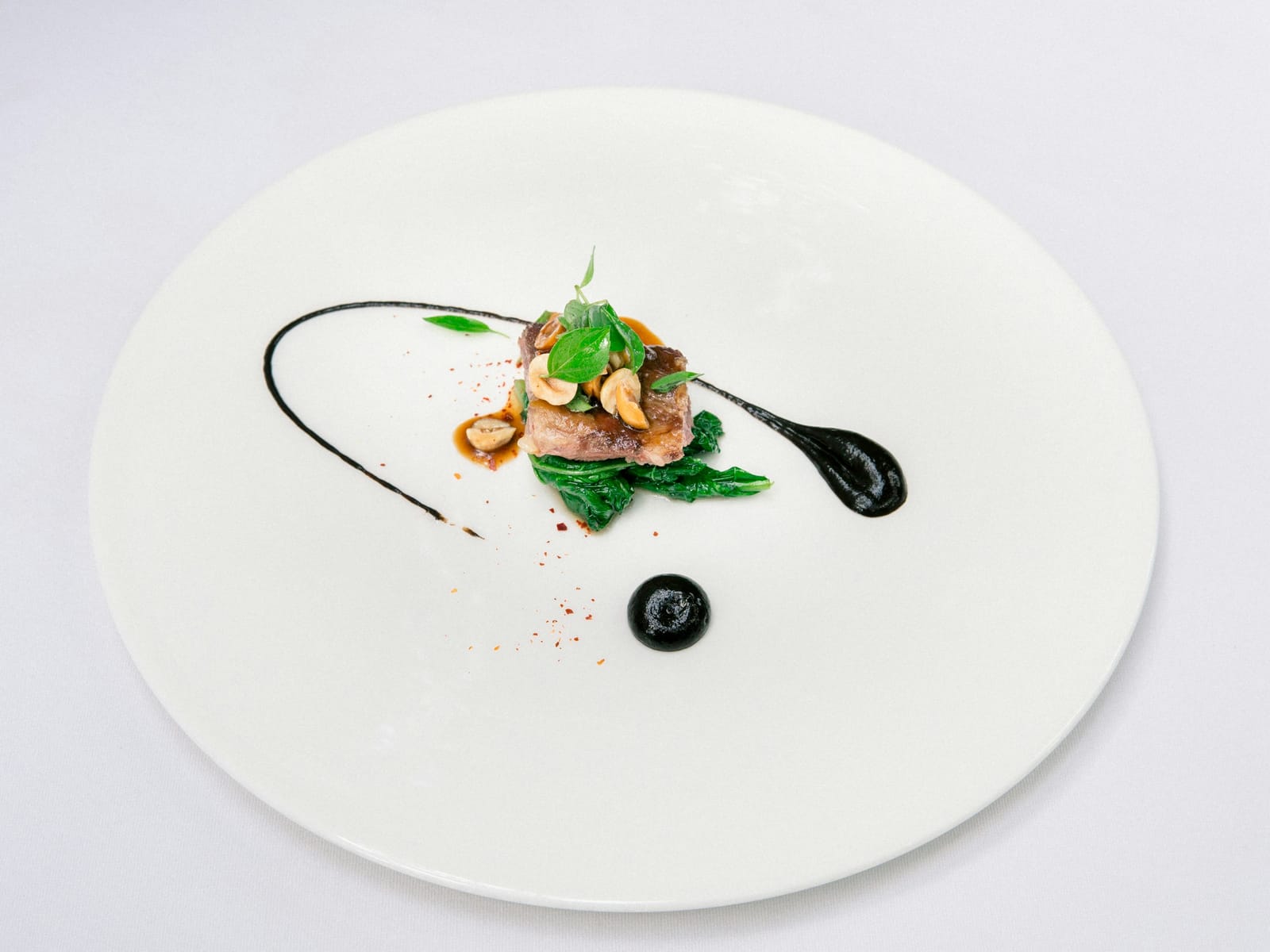
United adds 30 Chef's Table dishes to Polaris menus
The airline says 11 chefs designed the second seasonal rotation, served from 1 November on selected international business-class departures.
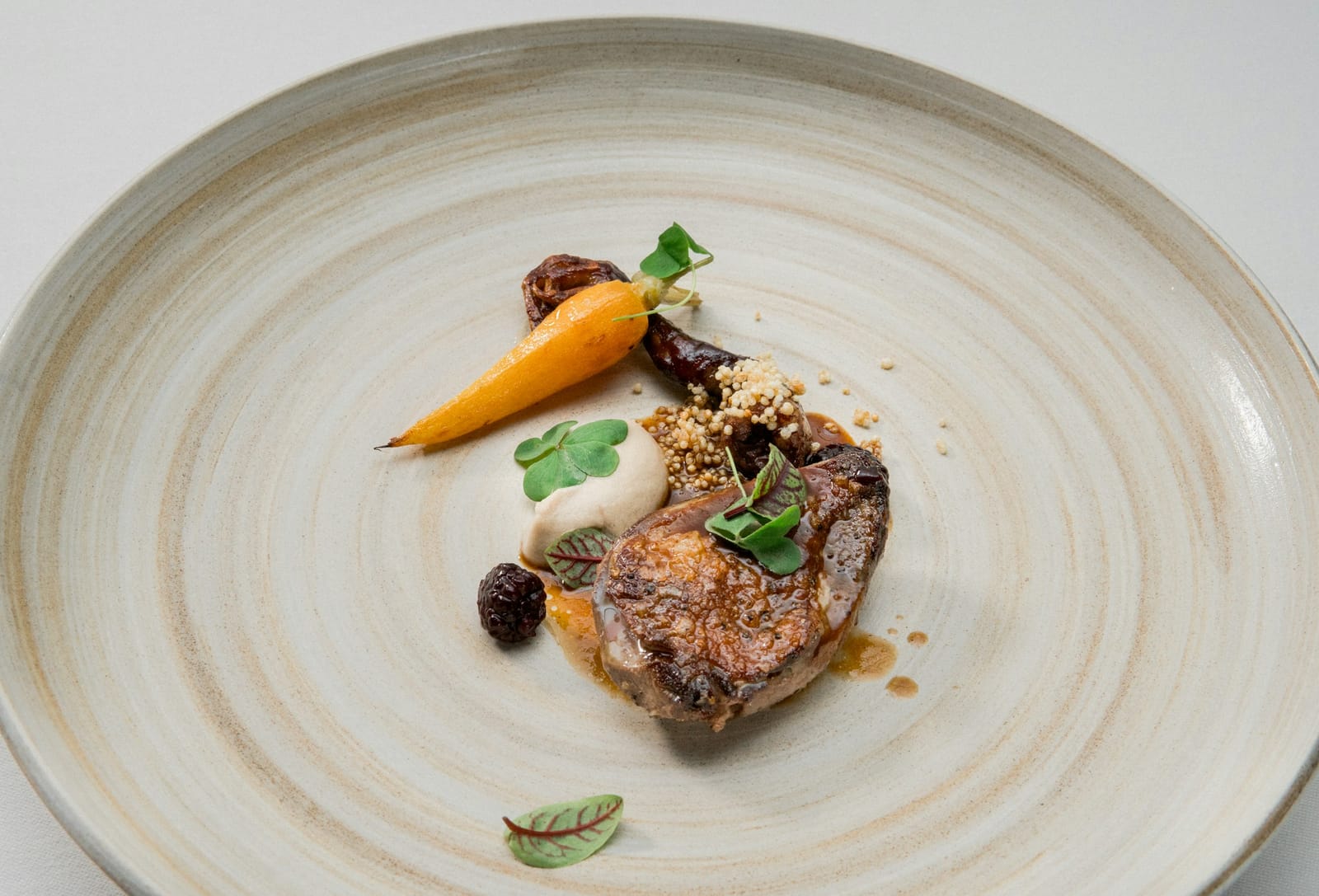
The United Chef's Table menu adds 30 dishes by 11 chefs to selected Polaris international flights from 1 November. The second rotation runs to 31 December and links each chef's food to departures from one of ten cities.
United says the line-up covers appetisers, salads and main courses. Nancy Silverton contributes spiral meat lasagne, David Barzelay a rack of lamb, while Tomos Parry pairs roasted pumpkin with rosemary stracciatella. The airline is selling geography as much as dinner: dishes are attached to the chef's home city and served on lunch or dinner departures from that gateway.
The programme spans United's seven US hubs plus London, São Paulo and Tokyo. In Houston, Justin Yu offers a Gulf crab spring roll and poached chicken with lemongrass and coconut rice. Denver chef Penelope Wong supplies char siu pork, and Tokyo's Tashi Gyamtso contributes red crab with yuzu kosho and ginger-soy chicken.
United Chef's Table menu expands
The airline reports that more than 60,000 passengers ordered dishes in the first rotation, launched on 1 August. It also says satisfaction scores were almost 20 points higher than for its other pre-ordered meals. Those are company figures, not an independent taste test, but they explain why a branded experiment has become a seasonal programme.
Customers can pre-order from five days until 24 hours before departure through United's website or app. The structure follows the August launch: one appetiser, one salad and one main course tied to a city. The new rotation does not extend the offer beyond Polaris international business class.
United says it invested more than $150 million in food and beverage during 2025. The Chef's Table partnership sits beside wider changes to wine, snack boxes and economy pre-ordering. That makes the celebrity names part of a larger attempt to use meals as a service differentiator, not a stand-alone television tie-in.
Airline chefs meet cabin constraints
Cooking for a pressurised cabin means reheating, restricted plating and altered perception of aroma and salt. The menus therefore translate restaurant ideas rather than reproduce restaurant dishes exactly. The comparison with Air France's chef-led business menu shows how carriers increasingly borrow culinary credibility while retaining tightly controlled production.
The strongest test begins after the photographs and names have done their work: whether the dish survives catering, storage and the oven on a full flight. United has published a schedule and customer score, but not the recipe testing data behind each item. For now, the second rotation is a measured expansion with a clear end date, not a permanent restaurant in the sky.