Nigeria 90-day economic plan targets food affordability
The National Economic Council backs a Finance Ministry plan with five priorities and a single-digit inflation goal for 2027. Food inflation stood at 19.59% in September.
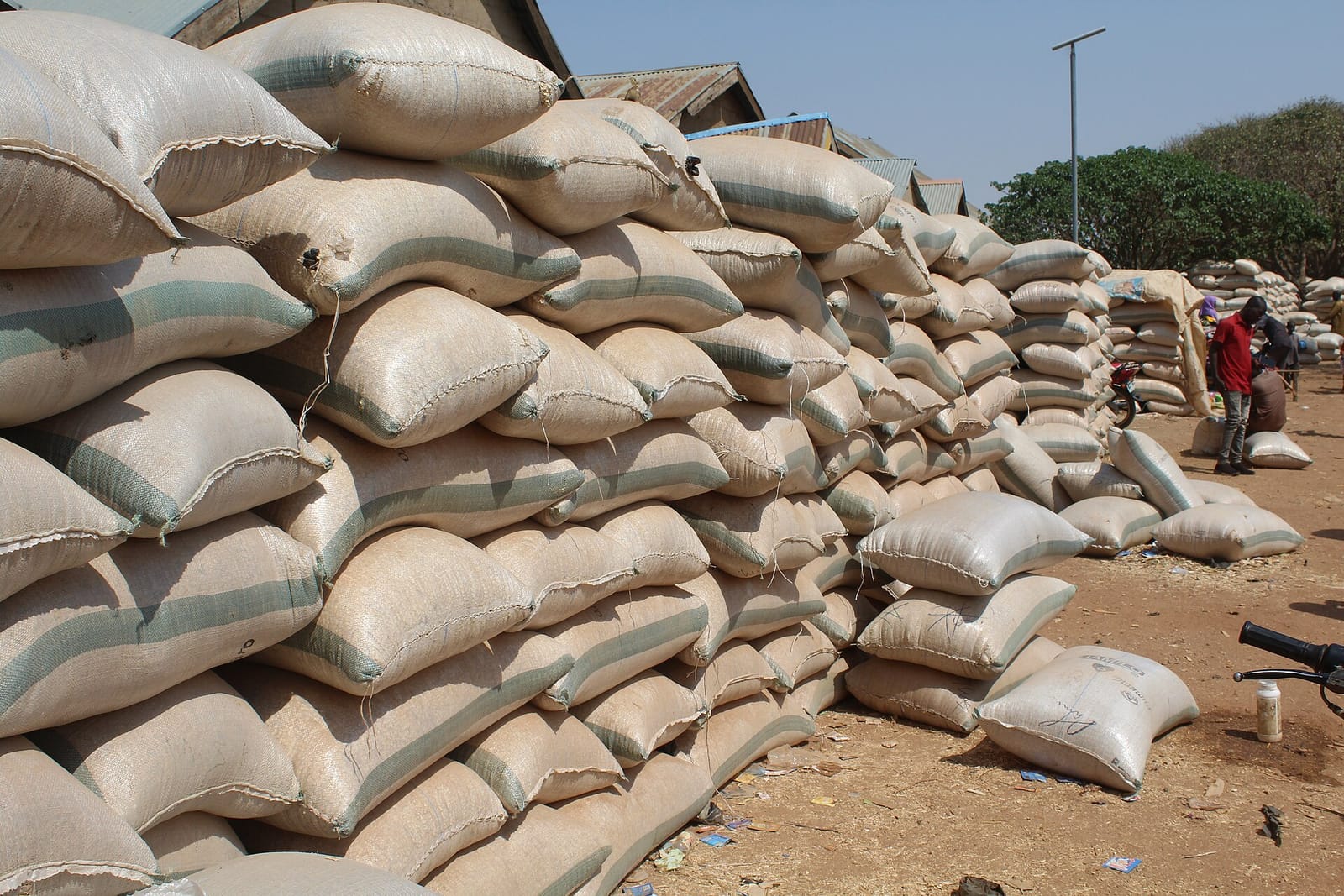
Nigeria's National Economic Council has endorsed a 90-day economic plan that puts food affordability first among five priorities, alongside tax harmonisation and regulated household support. The council approved it at its 161st meeting, held virtually on Thursday 22 October and chaired by Vice-President Kashim Shettima.
The plan was proposed by the Federal Ministry of Finance and presented by Taiwo Oyedele, Minister of Finance and Coordinating Minister of the Economy, according to a statement issued by Stanley Nkwocha, senior special assistant on media and communications in the Office of the Vice-President. The statement said the aim is to make the effects of President Bola Tinubu's reforms tangible for households and businesses.
What the 90-day economic plan covers
Five priorities, one dashboard and 90 days: the food line is the one households will check.
The five priority areas are food affordability, tax harmonisation, completion of high-impact projects, resolution of investment bottlenecks and regulated household support, according to the statement as reported by Daily Trust and THEWILL. The council also approved a national dashboard to track ongoing projects and to report how proceeds from the removal of the petrol subsidy are spent.
Oyedele set single-digit headline inflation and single-digit interest rates by 2027 as the central objectives. He told the council that the next phase of reform requires closer federal-state coordination and fewer barriers to investment, The Authority reported.
The published statement does not list specific instruments for food prices, such as tariff changes, fertiliser supply or storage, nor a budget for the 90-day economic plan. Transport received more detail: the council agreed a joint federal-state financing framework to speed up the rollout of compressed natural gas and electric vehicles, set up a committee to coordinate it, and directed that the savings reach commuters as lower fares after talks with transport unions and operators.
“The cost of reaching a livelihood should never consume the livelihood itself,” Shettima said, urging states to support the national CNG bus initiative.
Food inflation still close to 20 per cent
The plan arrives on figures that have improved but remain high. Headline inflation fell to 14.63 per cent in September from 15.39 per cent in August, the National Bureau of Statistics (NBS) reported on 15 October. Food inflation stood at 19.59 per cent year on year, even as Nigerian food prices fell 1.55 per cent in September compared with August.
Pressure is not only domestic. The FAO has warned that global food inflation is set to accelerate into 2027, the same year Oyedele has chosen for his single-digit target.
The 90-day economic plan runs to late January 2027. The NBS will publish October inflation next month, the first reading after the council's decision, though it will reflect prices from before any measure could take effect.
Sources
- THEWILL — FG approves 90-day emergency plan to cut food prices (statement by Stanley Nkwocha, Office of the Vice-President) ·
- Daily Trust — NEC endorses 90-day plan to ease cost of living ·
- The Authority — FG, governors approve 90-day plan to ease Nigerians' hardship ·
- Voice of Nigeria — Headline inflation drops to 14.63 per cent (NBS CPI, September 2026) ·