Global food inflation set to accelerate into 2027, FAO warns
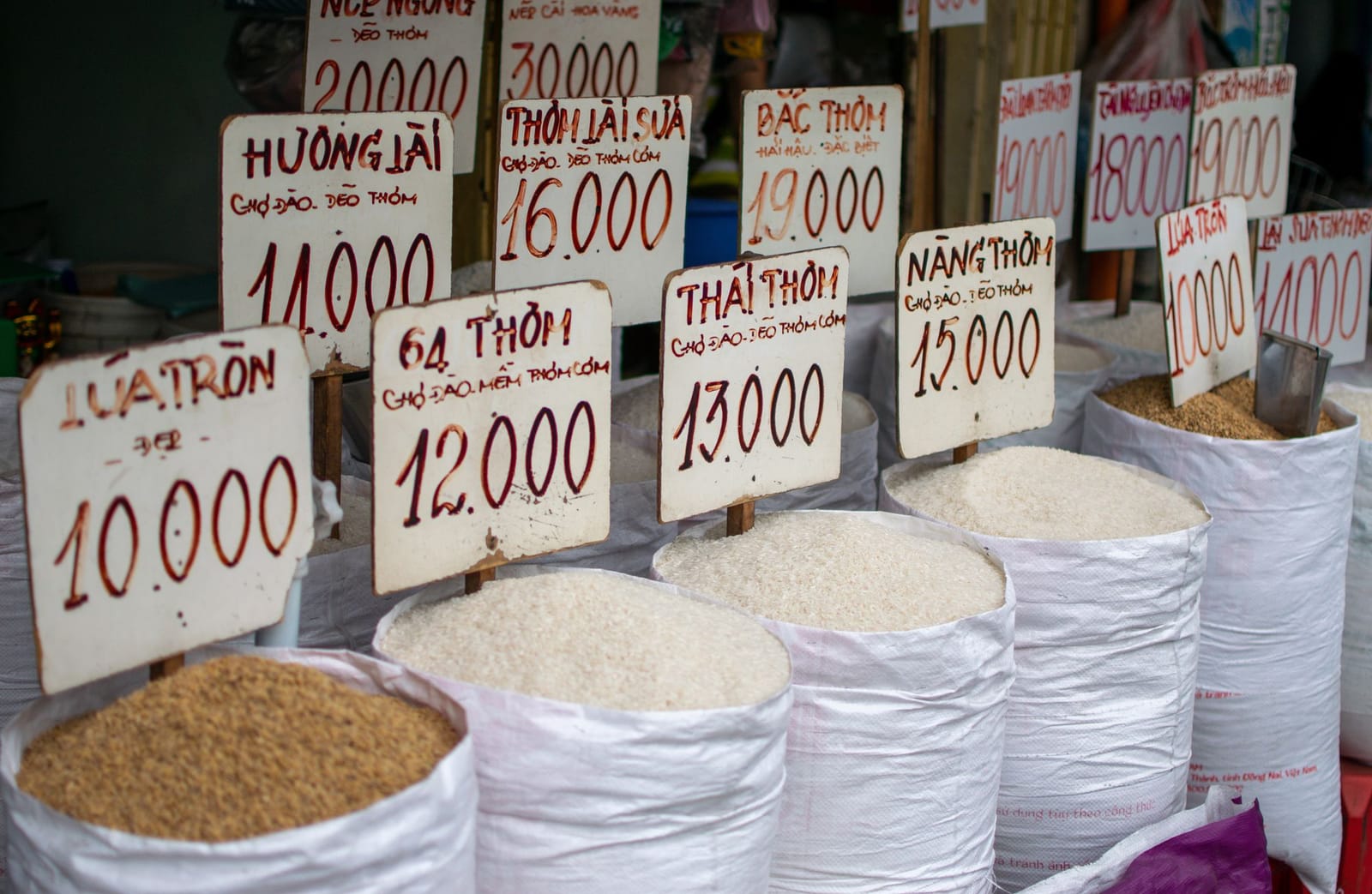
The FAO's chief economist expects the biggest impact from the end of this year and through 2027. Flour, rice, frying oil and sugar lead the rise, the staples restaurants find hardest to reprice.
Global food inflation is set to accelerate over the coming months and run into 2027, according to Maximo Torero, chief economist of the UN Food and Agriculture Organization (FAO), as war-related shipping disruption and El Niño drought squeeze cereal supplies.
“We will see a bigger impact towards the end of the year, at the beginning of next year and potentially throughout next year,” Torero told Reuters in an analysis published on 19 October. Stocks and good harvests in previous seasons had acted as a buffer, he said, but those buffers are now coming under pressure, so commodity price increases “could become more pronounced”.
The FAO Food Price Index averaged 136.0 points in September, up 1.5% on August and 5.8% on a year earlier, the highest reading since November 2022, as AMUSE reported when the September FAO Food Price Index was released. Cereals rose 5.1% in a month and 17.2% in a year; vegetable oils stood 18.3% above September 2025 and sugar jumped 6.1% month on month.
The rising lines are flour, rice, oil and sugar: the dishes guests expect to stay cheap.
Why global food inflation is building again
The shocks are stacking up: attacks on Black Sea grain infrastructure, ships diverted away from the Red Sea, the US-Israeli war on Iran, which has raised fuel costs and disrupted fertiliser exports through the Strait of Hormuz, and El Niño-linked drought in India and Southeast Asia. Freight rates on some routes, such as the Black Sea to Southeast Asia, are up about 50%.
Wheat prices have risen more than 30% this year and rice in the main Asian exporting countries is up 10% to 13%. The World Bank found that food prices outpaced headline inflation in 22% of the 150 countries it analysed in the September quarter, against 14% the quarter before. Alexander Karavaytsev, senior economist at the International Grains Council in London, sees “significant upside risk” as importers return to the market.
What it means for restaurant menus
For kitchens, the list of rising lines reads like a mise en place: flour, rice, frying oil and sugar, the staples behind bread baskets, pasta, pizza dough, fried dishes and desserts. They are hard to remove from a menu and are often priced on thin margins precisely because guests think of them as cheap.
The FAO figures also show where the pressure is not, at least for now: the dairy index is 19.1% lower than a year ago and meat is broadly unchanged. Operators who rework dishes around those categories, and reprice their menus before the turn of the year rather than after, are reading the same calendar Torero describes. Not every market moves in step: food prices in Nigeria fell 1.55% in September.
The next FAO Food Price Index is due on 6 November.