FAO Food Price Index hits highest level since November 2022
Cereals, sugar and vegetable oils pushed the index up for a third month in September, while meat slipped and dairy held flat. Wheat jumped 6.3 percent in a month.
The FAO Food Price Index averaged 136.0 points in September 2026, up 2.0 points (1.5 percent) from August and its highest level since November 2022, the UN Food and Agriculture Organization said in Rome on Friday 2 October.
The index tracks international export prices for a basket of food commodities, not what diners pay. It has now risen for three months in a row, from 130.1 points in June, according to FAO's own data series, and stands 5.8 percent above September 2025. It is still 15.1 percent below its peak of March 2022.
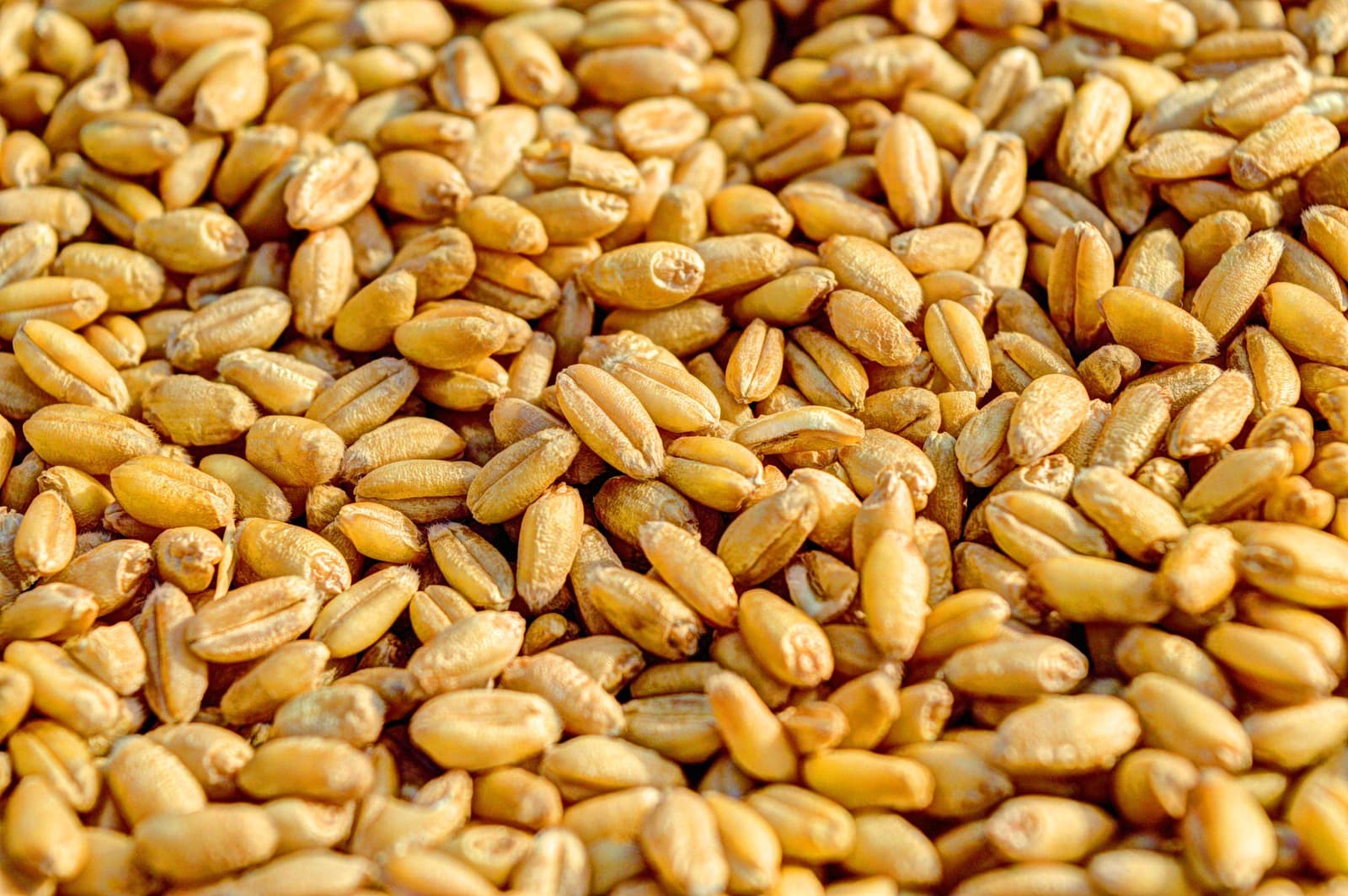
The rise came from crops. The cereal index climbed 5.1 percent in a month to 122.8 points, 17.2 percent above a year earlier. Wheat gained 6.3 percent to its highest since August 2023, as logistical constraints in the Black Sea pushed importers towards other origins, and maize reached its highest in more than three years after lower-than-expected yields in the United States and smaller export supplies from Brazil. FAO adds that uncertainty over shipping through the Strait of Hormuz kept fuel, fertilizer and freight costs in play.
Flour, oil and sugar are rising; cheese, butter and chicken are not. Buy accordingly.
What moved the FAO Food Price Index
Sugar rose 6.1 percent to 114.0 points, a third monthly rise and the highest since April 2025, on a smaller EU beet crop, lower forecasts for Thailand, weak rainfall and a strengthening El Niño in India, and heavy rain slowing the harvest in Brazil's Centre-South. Vegetable oils added 0.9 percent to 198.6 points, 18.3 percent above a year ago, led by palm oil, up for a fourth month on dry weather in Southeast Asia. Sunflower oil fell for a third month.
Animal products went the other way. Meat slipped 1.1 percent to 127.9 points as Brazil shipped ample poultry and EU demand weakened after new antimicrobial-related import rules took effect on 3 September; pig meat eased as European herds recovered from the summer heat. Dairy was flat at 119.1 points and 19.1 percent below last year: milk powder rose, cheese fell and butter barely moved.
What it means for restaurant buying
The FAO Food Price Index is not a supplier price list, but it shows which way the raw materials are heading. Flour, pasta, frying oil and sugar belong to the groups that rose; chicken, pork, cheese and butter to those that eased. The exception inside dairy is skim milk powder, 33.1 percent dearer than a year ago.
“If sustained, these pressures will soon pass through to consumer food prices, especially in food and energy import-dependent countries,” FAO chief economist Máximo Torero said, as quoted by Reuters. In Britain, foodservice inflation ticked up again in August, before these September moves reached the market.
On paper, supply is not the issue. FAO kept its forecast for the 2026 cereal harvest at 2,979 million tonnes, the second largest on record, but cut its forecast for world cereal trade by 0.7 percent because of constrained Black Sea shipping. The next FAO Food Price Index is due on 6 November.