China's farmed caviar now supplies 60% of the world market
A single facility on the Yangtze ships more than 10,000 tins a day to over 20 countries, and producers say it is taking pressure off wild sturgeon.
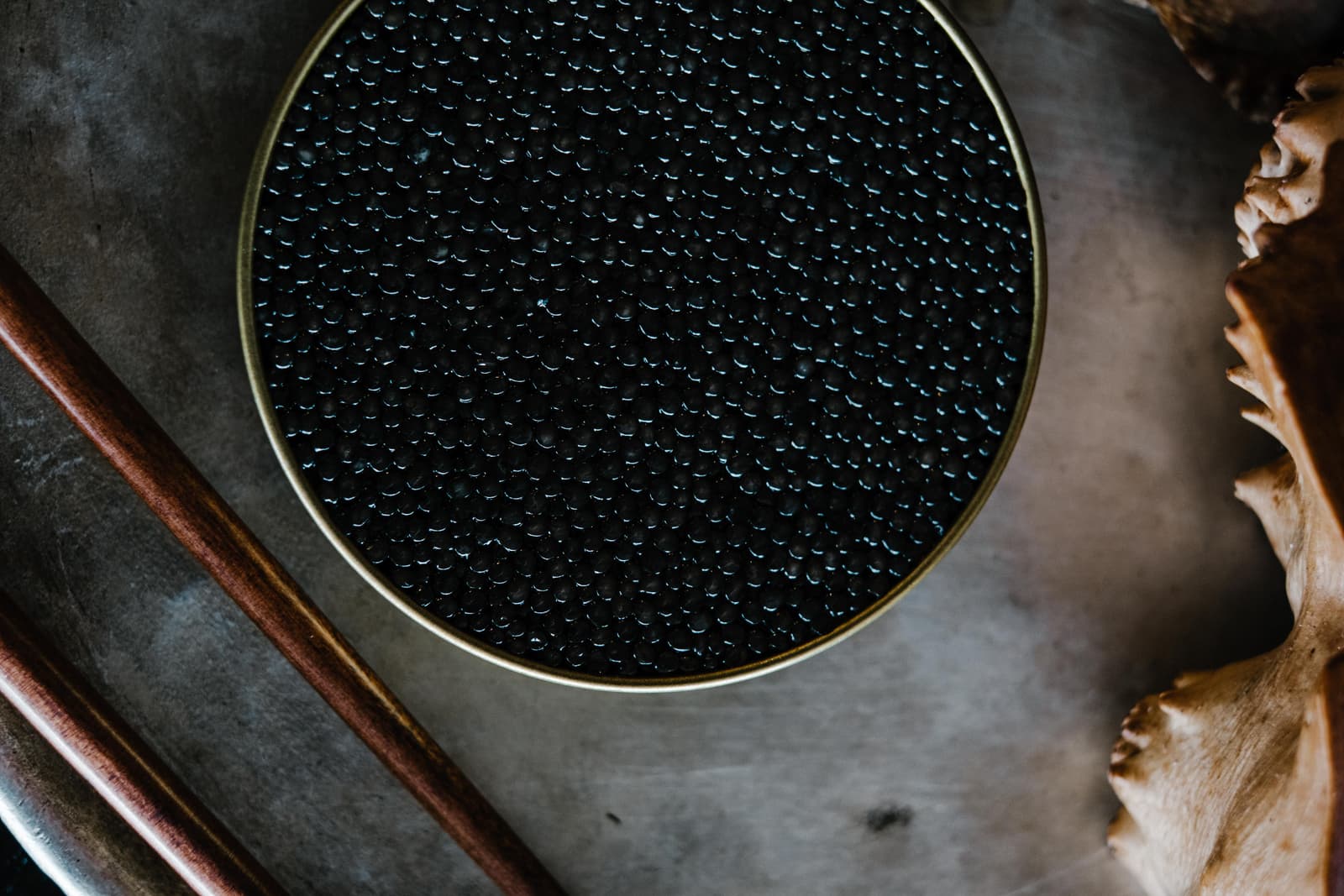
China now produces roughly 60% of the world's caviar, almost all of it farmed, led by a single facility in Yidu, Hubei province, that ships more than 10,000 tins a day.
The plant, China Qingjiang (Yidu) Sturgeon Valley, opened in 2018 as what its operators call the world's first indoor, industrial-scale sturgeon breeding facility. It now holds more than one million farmed sturgeon and sends its roe to more than 20 countries.
"The rise of China's caviar industry isn't just an economic story, it's an ecological one, too," Ji Jianyi, the facility's general manager, told Xinhua. The line refers to the Yangtze fishing ban imposed in 2020, which pulled nets out of the river and let water quality and rare species recover in the years since.
A caviar tin under 200 yuan changes who gets to put sturgeon roe on a menu, not just who farms it.
Land-based farming is the mechanism behind both claims. Every sturgeon raised in a tank is one not caught in a river where wild populations are already listed as vulnerable, and farmed supply has pushed caviar's price down from roughly 160,000 yuan (about €19,500) a kilogram a decade ago to under 200 yuan (about €24) for a tin today.
How China built a sturgeon farming industry
Sturgeon take five to ten years to mature, which usually keeps new entrants out of caviar; Yidu's scale came from treating that wait as an industrial planning problem rather than a farming one, with tanks, water treatment and breeding stock built to run at volume from the start. Other Chinese operations have followed a similar model on a smaller scale.
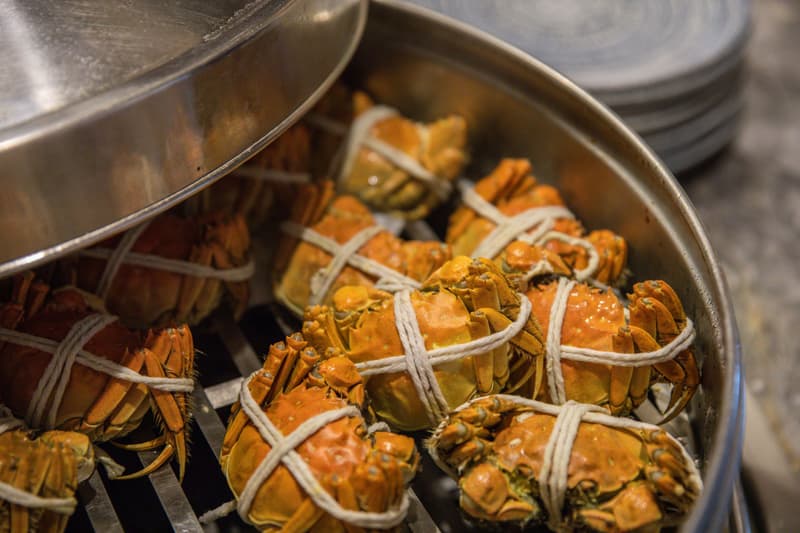
The same logic now applies to other threatened Chinese species: last year's hairy crab season, the subject of quotas on Yangcheng Lake, shows a food authority already managing supply and wild stock side by side, rather than treating them as separate problems.
What cheaper caviar means for restaurants
A tin of caviar for under 200 yuan does not read as luxury pricing, and that is the point: cheaper, reliably farmed supply makes caviar easier for restaurants outside the traditional high end to put on a menu, in China and in the markets Yidu now exports to.
Whether wild sturgeon populations recover as fast as the industry's marketing suggests will take longer to confirm than a shipping manifest. For now, the volume leaving Yidu each day is the clearest sign of where caviar's supply has already moved.
Sources
- Xinhua ·
- Global Times ·