Coffee groups launch joint guidance on responsible procurement
Four organisations and 18 companies, including Sucafina, JDE Peet's and three German retailers, want to turn 2026's procurement principles into rules buyers can actually follow.
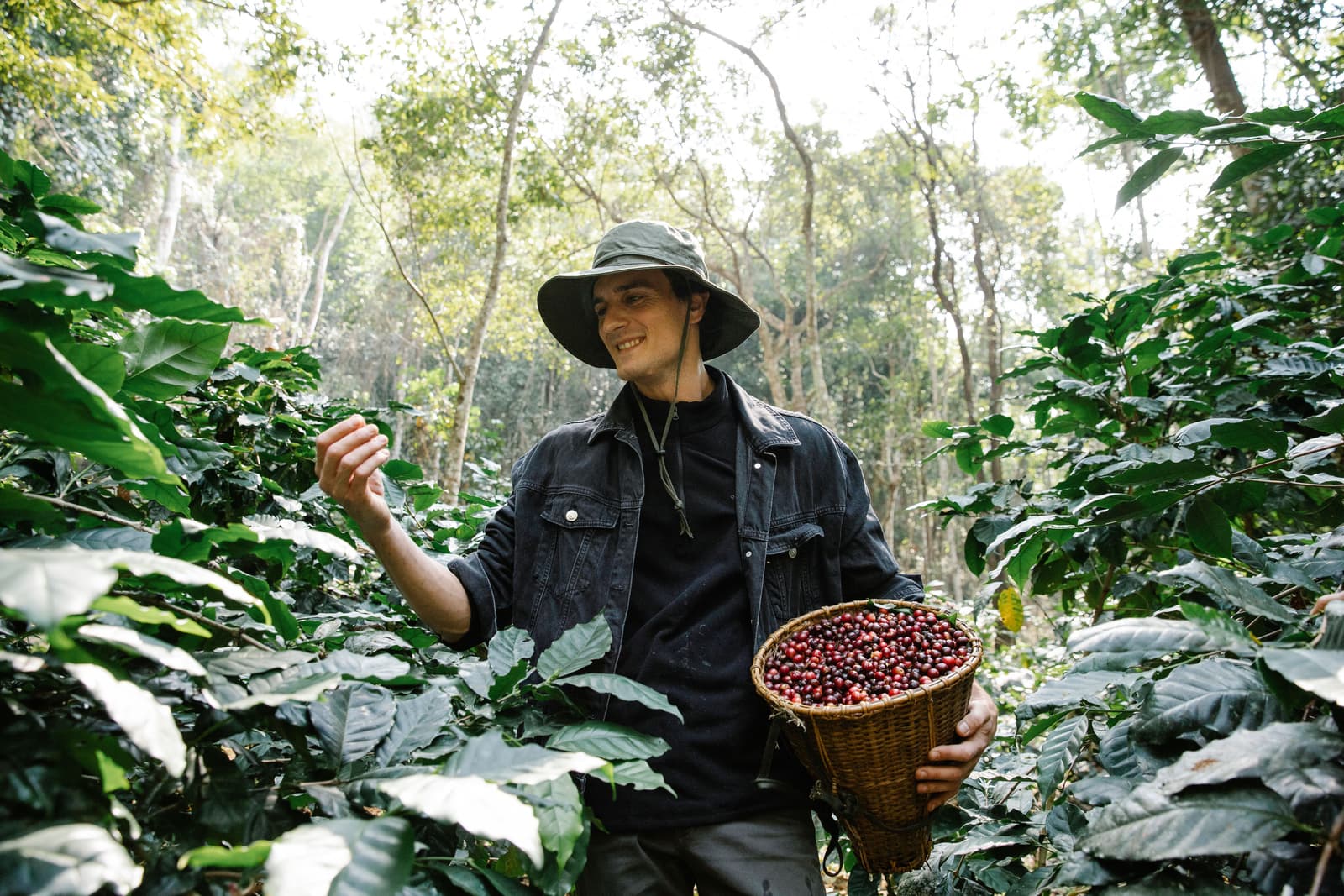
Four coffee sustainability organisations launched the Coffee Sector Guidance for Responsible Procurement on 30 September, a framework meant to turn broad promises into practical buying rules.
The Global Coffee Platform, the German development agency GIZ, the sustainable trade organisation IDH and the civil society group Solidaridad built the framework together, facilitated by the Sustainable Food Lab. Eighteen companies are supporting its development, among them traders Sucafina and JDE Peet's and German retailers dm-drogerie markt, Kaufland, Lidl and REWE Group.
The guidance builds on Common Procurement Principles agreed in March 2026, which called for longer-term buyer-grower relationships, more realistic accounting of production costs, and more shared risk between the two sides of a coffee contract. What launched this week is meant to turn those principles into steps a procurement team can actually follow.
Eighteen companies at one table on procurement is rarer in coffee than the sustainability reports suggest.
The problem it targets is familiar to anyone who has read a coffee sustainability report: a 2024 Global Coffee Platform study found the sector generates enough total value to keep every link in the chain profitable, yet that value lands unevenly. Corporate buyers in the Global North keep a disproportionate share, while smallholder farmers stay exposed to poverty and food insecurity.
Responsible procurement in coffee, step by step
Consultation and revision on the new guidance run through the second quarter of 2027, giving the 18 supporting companies more than a year to test it against real contracts before it hardens into something closer to a standard. None of the four organisations has set a date for when buyers might be expected to adopt it in full.
The framework arrives as roasters elsewhere face their own cost pressure: Mahou San Miguel's recent purchase of two Spanish coffee brands shows consolidation is already reshaping who sets terms with growers, well before any new procurement code takes hold.
Why coffee buyers keep writing new rules
Coffee has produced more voluntary codes than almost any other agricultural commodity, and most have struggled to move prices at the farm gate. What distinguishes this one, on paper, is the list of signatories: retailers that set shelf prices sit at the same table as traders who negotiate with cooperatives, rather than each side publishing separate pledges.
Whether that changes what a grower actually receives per kilo will not be visible until contracts written under the new guidance start paying out, likely sometime after the 2027 review closes.