James Beard Awards 2027 open call begins accepting entries
Submissions run until 30 November, with semifinalists due in late January, three years after a sushi chef's historic win showed how far the category had opened up.
The James Beard Foundation opened its 2027 Awards call for entries on 30 September, with submissions and public recommendations accepted through 30 November.
Anyone can submit a chef, restaurateur, baker, beverage professional, cookbook author or food system advocate through the foundation's awards platform, either on their own behalf or for a colleague. An awards subcommittee reviews every submission and recommendation before compiling the semifinalist lists category by category.
"We're looking for chefs, creators, food system leaders, and more who could be the next James Beard Award winners," the foundation said in its call for entries, inviting cookbook authors and restaurant owners alike to put their own names forward rather than wait to be noticed.
An award built on public nominations only works for chefs someone remembers to put forward.
The projected calendar runs semifinalists in late January, final nominees in April and winners announced in June, continuing the cycle that has defined American food's best-known award season for close to three decades.
James Beard Awards 2027 and a widening category
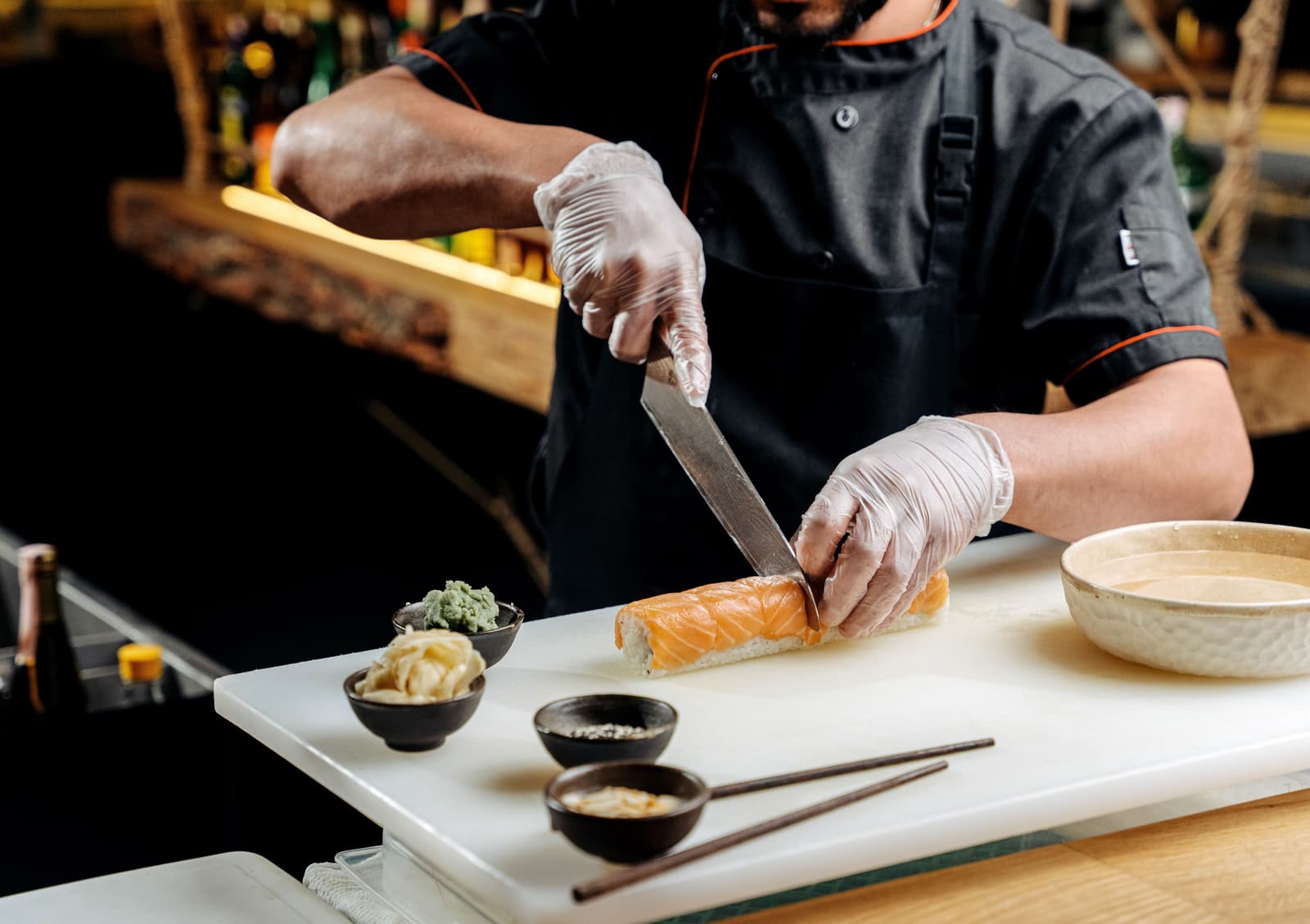
The entries open three years after Hajime Sato, the Michigan chef behind Sozai, became the first sushi chef to win Best Chef: Great Lakes, a result that read at the time as evidence the category had moved past French and Italian fine dining as its default reference points. Whether a similar surprise emerges from this year's call for entries will not be clear until semifinalists land in January.
Chicago keeps hosting the ceremony itself: the James Beard Foundation and Choose Chicago have committed to the Lyric Opera through 2028, giving the city three more years to anchor the industry's own awards weekend. Chicago's own Banchet Awards named its 2027 finalists the same week, a reminder that national recognition now runs alongside city-level awards competing for some of the same chefs.
Why an open call matters more than a shortlist
Unlike many awards that start from an invited shortlist, Beard's process begins with anyone willing to fill out a form, which is both its advantage and its limit: visibility still depends on who thinks to nominate a chef in the first place, not purely on the plates coming out of the kitchen.
For restaurants outside the major media markets, the two-month submission window is the one point in the calendar where a public recommendation campaign can actually move a name from obscurity into the subcommittee's first pass.