Farmed salmon: Roca, León and Atxa join 120-chef menu boycott
The open letter, run by the British charity WildFish, gathers chefs from 26 countries with more than 90 Michelin stars. Salmon farmers have not answered it; their trade press has looked at who pays for it.
Joan Roca of El Celler de Can Roca, Ángel León of Aponiente and Eneko Atxa of Azurmendi are among the signatories of an open letter in which more than 120 chefs pledge to keep farmed salmon off their menus, Infobae reported on 1 October.
The letter is published by Off The Table, a campaign run by WildFish, a British conservation charity. According to the trade site Salmon Business, the signatories come from 26 countries on six continents and hold more than 90 Michelin stars between them. Besides the three Spaniards, the list includes Massimo Bottura from Italy, Alice Waters and Dan Barber from the United States, Francis Mallmann from Argentina, Mauro Colagreco of Mirazur in France, Virgilio Martínez of Central in Peru, Ana Roš from Slovenia and the Australian fish cook Josh Niland.
The commitment is conditional. The signatories promise not to serve sea-farmed salmon unless the industry manages to operate without causing the damage the letter describes, in the wording quoted by Infobae. The campaign's slogan is “Nobody asked for it”, a reference to salmon being on sale all year round.
A hundred and twenty tasting menus will not empty the sea cages, but they set what others copy.
What the chefs hold against farmed salmon
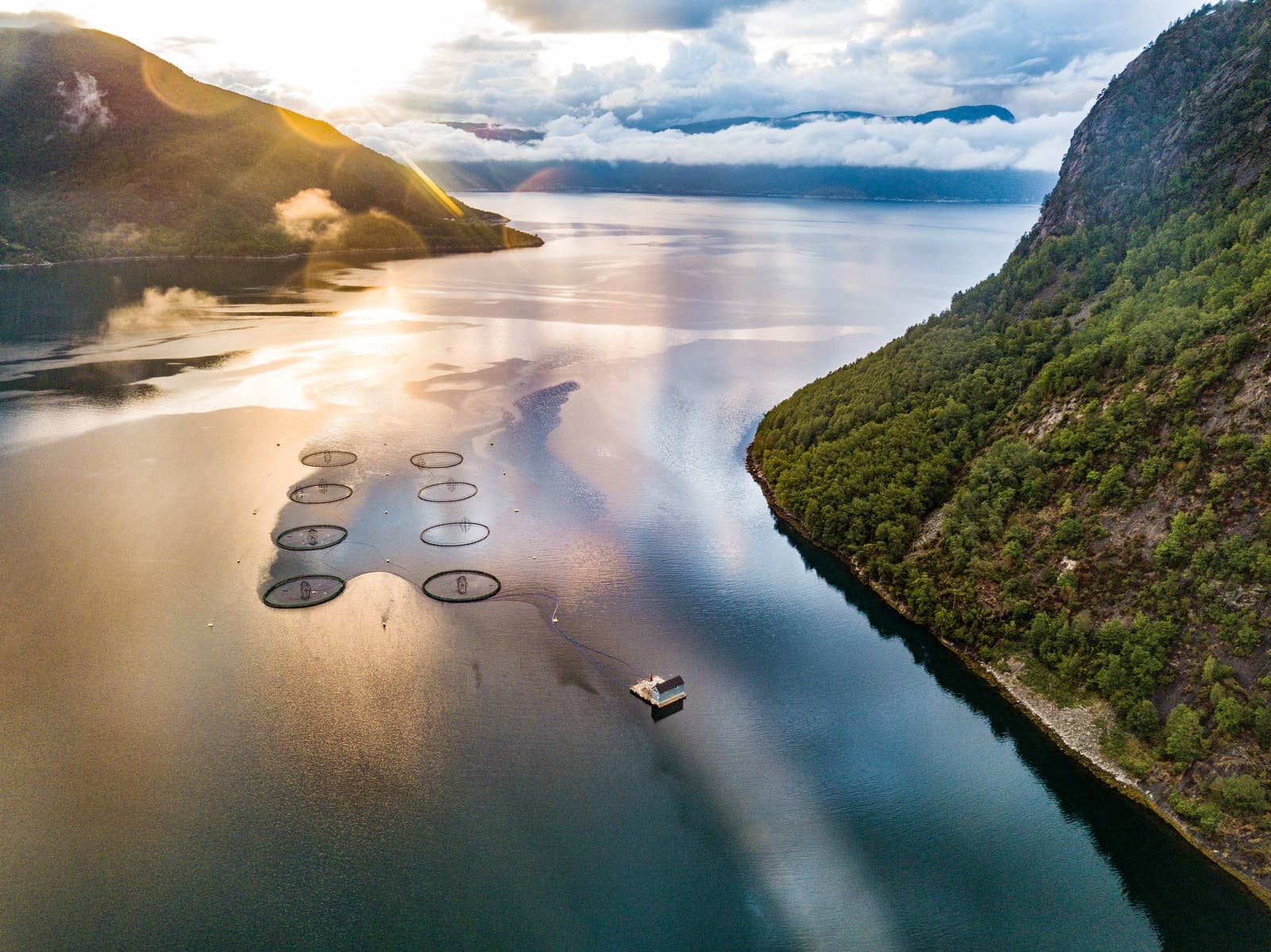
The letter lists pollution, disease and parasites, antibiotic use, escaped fish breeding with wild stocks and the wild fish caught to make feed. Off The Table says wild salmon populations have fallen by 80 percent or more since the 1970s, and that 99 percent of the Atlantic salmon sold in restaurants and shops is farmed in sea cages. Infobae, citing WWF and the river group AEMS-Ríos con Vida, puts the fall in Atlantic salmon at 82 percent between 2015 and 2024.
Welfare is the second argument. The Italian food site Cookist reports that 54.9 million salmon died on Norwegian farms in 2025, a mortality rate of 14.2 percent, and that Scottish farms lost 31.2 percent of the young fish put to sea in 2023 to death, escape or culling. WildFish started the campaign in 2022, and Cookist counts more than 8,700 chefs and restaurants signed up since.
How the farmed salmon industry answers
None of the reports on the letter carried a reply from salmon farmers. Salmon Business, which covers the industry, looked at the organiser instead: WildFish's own strategy describes the campaign as a way to reduce demand, “intensify economic pressure” on producers and stop open-net farms from expanding. The site adds that the charity had an income of £1.61 million in 2025, spent £300,387 on its salmon work and counts Patagonia and the Esmée Fairbairn Foundation among its donors.
When a group of Scottish restaurants joined the boycott in August, the trade body Salmon Scotland told The Grocer that none of them had visited a sea farm or spoken to a fish farmer, invited them to ask questions and asked one of the owners for a meeting.
Demand, for now, points the other way. Norway alone shipped 153,602 tonnes of salmon abroad in August, a record for Norwegian salmon exports in that month. A hundred and twenty tasting menus will not move that figure; the letter counts on the thousands of restaurants that copy them.
Sources
- Infobae ·
- Salmon Business ·
- Cookist ·
- The Grocer ·