Austria's 2026 wine harvest shrinks to a decade low
Austria's wine-growers association reports its smallest harvest since 2010, after a hot, dry summer sped up ripening across the country's vineyards.
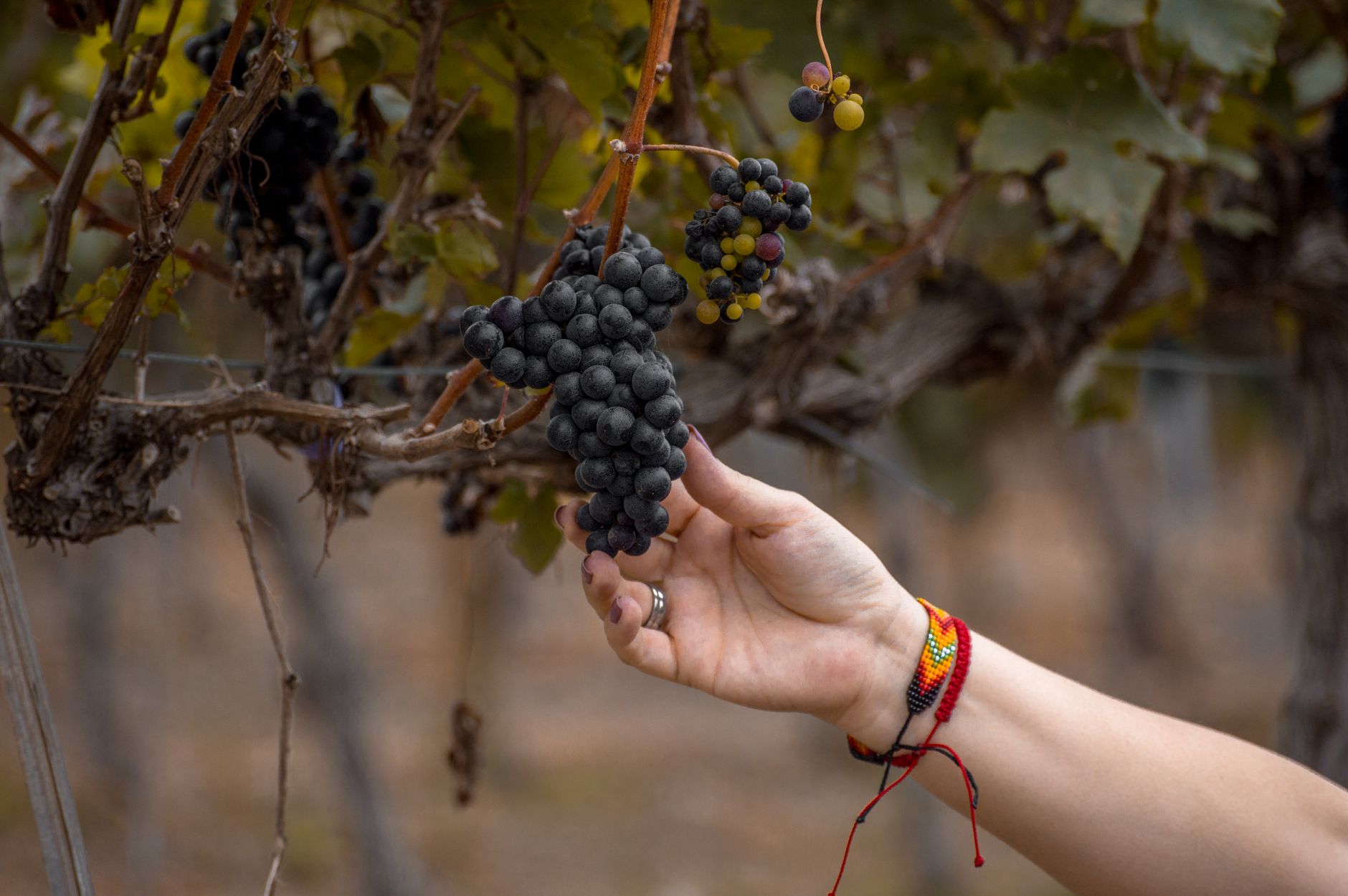
Austria's wine harvest 2026 is shaping up as the smallest since 2010, with growers pointing to an unusually early and hot growing season. Picking began weeks ahead of schedule across the country's main wine regions, and early estimates put total volume nearly 30% below the five-year average.
Budbreak came in April, weeks earlier than usual, after a mild start to spring. Warm temperatures continued through the summer, and heatwaves in June accelerated ripening across the vineyards. Eastern Austria saw extended drought, with regular daytime temperatures above 30°C.
Austria's 2026 harvest arrives early
Fewer grapes, concentrated flavour: 2026 may be small in volume but big in character.
In the Seewinkel area of Burgenland, picking was nearly finished by 10 September. Main harvest work started in early September in Lower Austria, Styria, Burgenland and Vienna, all several weeks ahead of a typical year.
The Weinbauverband, Austria's wine-growers association, estimates a total 2026 harvest of around 1.7 million hectolitres. That is about 28% below the five-year average. In parts of the Weinviertel and Burgenland, some varieties could be down as much as 40% year-on-year, making this the lowest harvest volume since 2010.
Johannes Schmuckenschlager, president of the Weinbauverband, calls 2026 “an extraordinary wine year in many respects — with early ripeness, small berry diameters, and low harvest volumes.”
Despite the small volumes, quality expectations are high. Berries are small but healthy and ripe, concentrating flavour and aromatic compounds. Schmuckenschlager expects “an expressive, aromatic vintage,” with red wines in particular expected to benefit from the conditions.
A wider European heat pattern
The early start fits a broader trend. A run of hot, dry European summers has repeatedly pushed harvest dates earlier across the continent. Germany's wine institute separately reported its earliest-ever harvest start in all regions in 2026. Italian producers have felt similar pressure, as seen recently at the Chianti Classico Expo in Greve.
Low-yield, high-concentration vintages have historically produced some of the most sought-after wines, though they also raise costs per bottle for growers, since fixed costs are spread across fewer litres of finished wine. Bottling for the 2026 vintage is expected to begin earlier than usual, and growers say prices will likely reflect the smaller volumes.
Sources
- Presse Nachrichten · 2026-09-10
- SN.at (Salzburger Nachrichten) · 2026-09-10
- trend.at · 2026-09-10