Canadian alcohol ban starts Tuesday, but bulk whisky gets through
From 12:01 a.m. on 29 September, packaged Canadian beer, wine and spirits can no longer enter the US. Whisky shipped in bulk for American bottling can, and Crown Royal already does.
The Canadian alcohol ban signed by Donald Trump takes effect at 12:01 a.m. Eastern time on Tuesday 29 September, shutting the US market to packaged Canadian beer, wine and spirits.
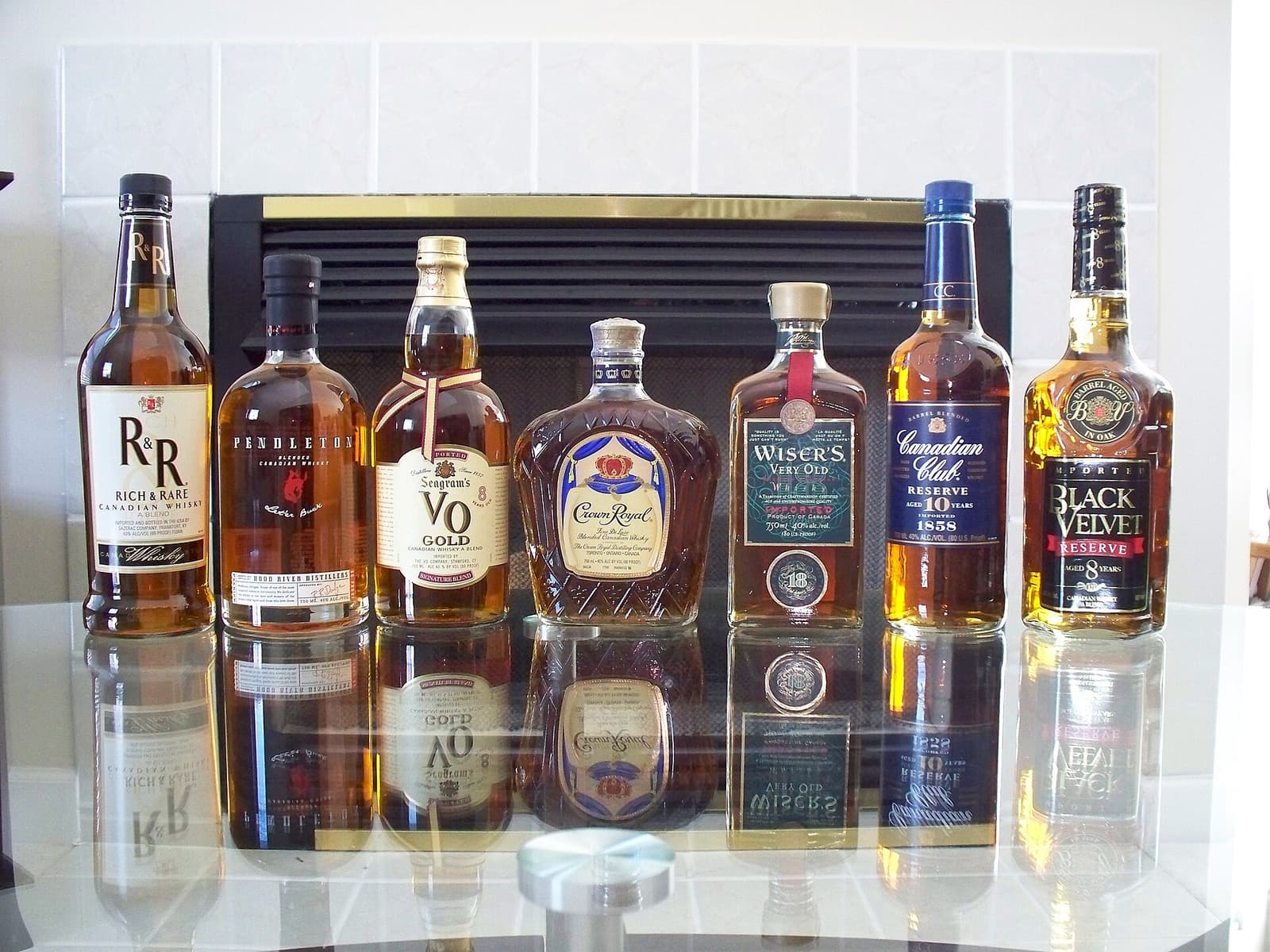
The list covers beer and several types of wine, whisky, bourbon, rum, vodka, vermouth, tequila, mezcal and brandy, CBC News reported on 27 September. Spirits make up most of what Canada sends south: about half of the $2 billion in spirits produced in the country each year is sold in the US, according to Cal Bricker, chief executive of Spirits Canada. Our earlier report on the proclamation set out the legal basis and the 50% duty that has applied since 22 August.
What the Canadian alcohol ban stops on Tuesday
A tariff can be negotiated down. A ban tends to stay, and bulk whisky is the only door left open.
The ban follows where a drink is made, not who owns the brand, the Brewers Association told its members on 23 September. Bottles, cans and kegs are all caught; kegs do not count as bulk. Beer shipped in bulk for packaging in the US appears to fall outside the ban but still pays the 50% duty. Non-alcoholic beer is excluded, and orders placed before the deadline can still be refused if they are entered afterwards.
Bulk whisky is the widest gap. Containers above four litres can still cross, and Crown Royal, owned by Diageo, has moved its US bottling from Ontario to Alabama, CBS News reported. The gap is narrower than it sounds: in 2025 the US imported US$168 million of Canadian whisky in containers of four litres or less and US$43 million in larger ones, the Globe and Mail reported.
For small producers, the ban mostly confirms what the duty had already done. "Once you add 50 per cent tariffs, it becomes extremely difficult to try to sell on the market," Matt Johnston of Collective Arts, a craft brewer in Hamilton, Ontario, told CBC.
Why a ban may outlast the tariffs
"You can negotiate down a tariff, it's a number, but a ban is usually here to stay," Barry Appleton, co-director of the Centre for International Law at New York Law School, told CBC. Derek Holt of Scotiabank called the bans "face-saving" and "not substantive" in a note on 9 September; CBC puts last year's Canadian alcohol exports to the US at around $1.2 billion.
The pressure already runs both ways. US alcohol exports to Canada have fallen by about 81%, from $718 million to $137 million, and US beer exports by 85% since 2025, according to US Census figures cited by the Brewers Association. For Diageo, which announced nearly 2,000 job cuts today, the Alabama bottling line now does more than save costs: it keeps Crown Royal on American shelves.