GlenWyvis distillery files for administration
Scotland's pioneering community-owned distillery files to appoint administrators, ending a decade funded by more than 3,500 shareholders in Dingwall.
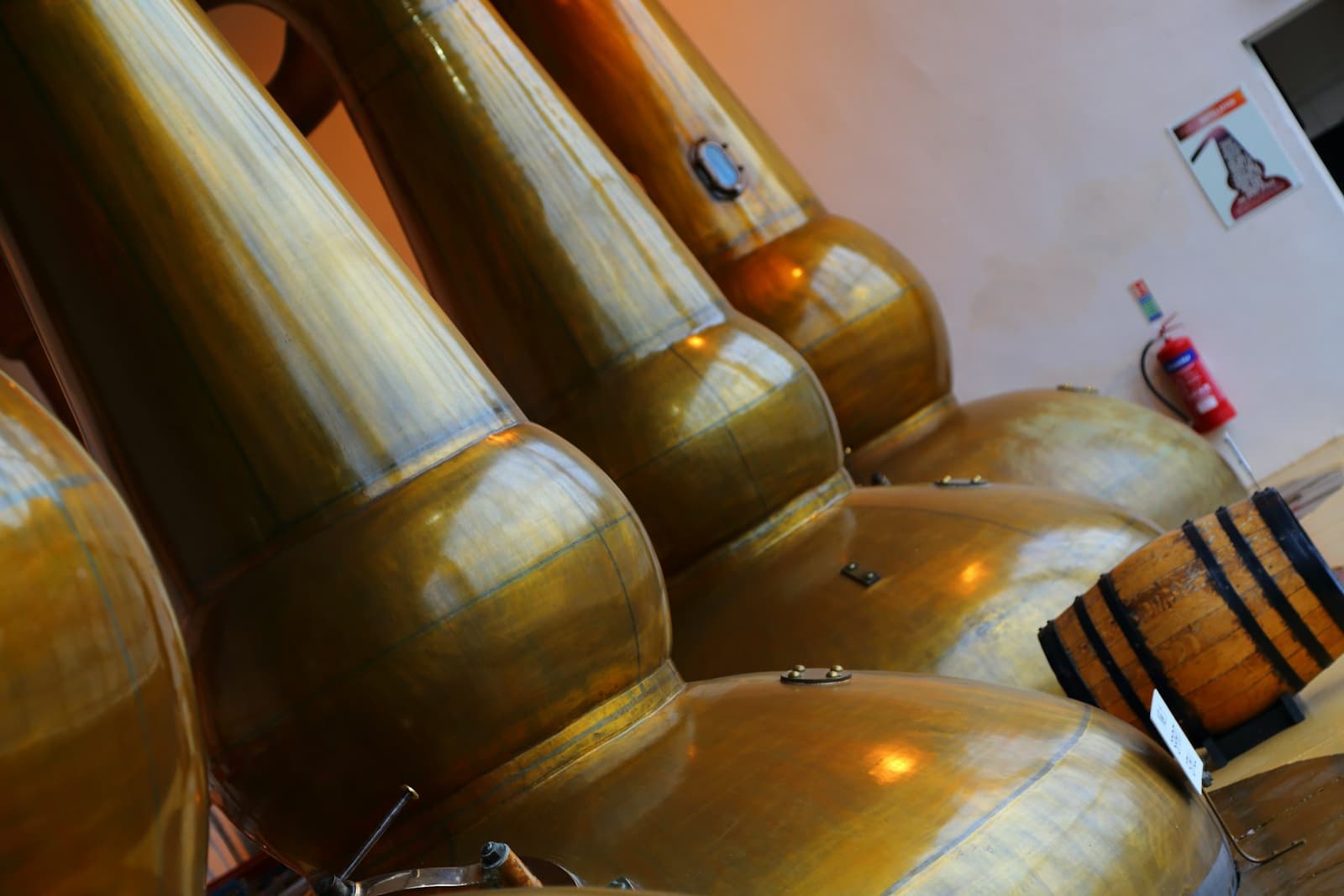
GlenWyvis distillery, the Highland malt whisky maker built and owned by more than 3,500 community shareholders, files a notice to appoint administrators, the first formal step toward winding up one of Scotland's best-known crowdfunded distilleries.
The management committee lodged the Notice of Intention to Appoint Administrators (NOIA) at the Court of Session in Edinburgh on 23 September 2026. The filing gives GlenWyvis distillery up to ten business days of protection from creditors while directors settle the next step.
Alistair McAlinden and Geoff Jacobs of Interpath Advisory are named as the intended joint administrators. Interpath had already run an external fundraising process on the committee's behalf, approaching investors and funders for fresh capital.
This is a very sad day for all of us associated with GlenWyvis distillery.
That search "generated interest" but fell short of the sum needed to keep the Dingwall site trading as a going concern, the committee told shareholders this week.
GlenWyvis distillery, a crowdfunded decade
Former Army Air Corps pilot John McKenzie founded the project in 2015. A share offer in July 2016 raised £2.5 million from 2,443 backers, funding a still house billed at the time as the world's first community-owned distillery. Production began in 2018, and the first single malt reached shelves in late 2021.
Money kept getting tighter. GlenWyvis distillery took £500,000 from the Catalyst social investment fund in February 2026, then paused production in August and warned members of a "serious situation" as reserves ran dry.
Chairman Dr Jock Ramsay called the filing "a very sad day for all of us associated with GlenWyvis distillery," noting the site "has been owned by its community" for a decade.
Pauline Smith of the Development Trusts Association Scotland, which backed the original share issue, said GlenWyvis distillery "was a pioneer – built and owned by thousands of people who believed in what a community could achieve together."
Pressure builds on small distillers
The committee blames "challenging conditions across the whisky market, rising operating costs and sustained external pressures," on top of years of commercial and legal setbacks, including a fire at its wood-chip store and a long-running dispute with its landlord.
The strain cuts across the category: some producers chase premium ages, like Loch Lomond's 31-year-old release, while smaller rivals fight for recognition, as English whisky did after a six-year campaign for protected status. GlenWyvis distillery shows the same market can just as easily sink a debt-free community producer.
Formal appointment of the administrators still needs court approval before any search for a buyer, or a wind-down, can begin. What happens to GlenWyvis distillery's stock, its Dingwall site and its whisky and gin brands should become clearer within the ten-day window.