English whisky wins protected status after six years
Defra grants Geographical Indication status to English whisky, closing the last gap in UK spirit protections and tying the name to home-grown cereals.
English whisky has secured Geographical Indication status, closing a gap that had left it as the only whisky made in the United Kingdom without legal protection for its name.
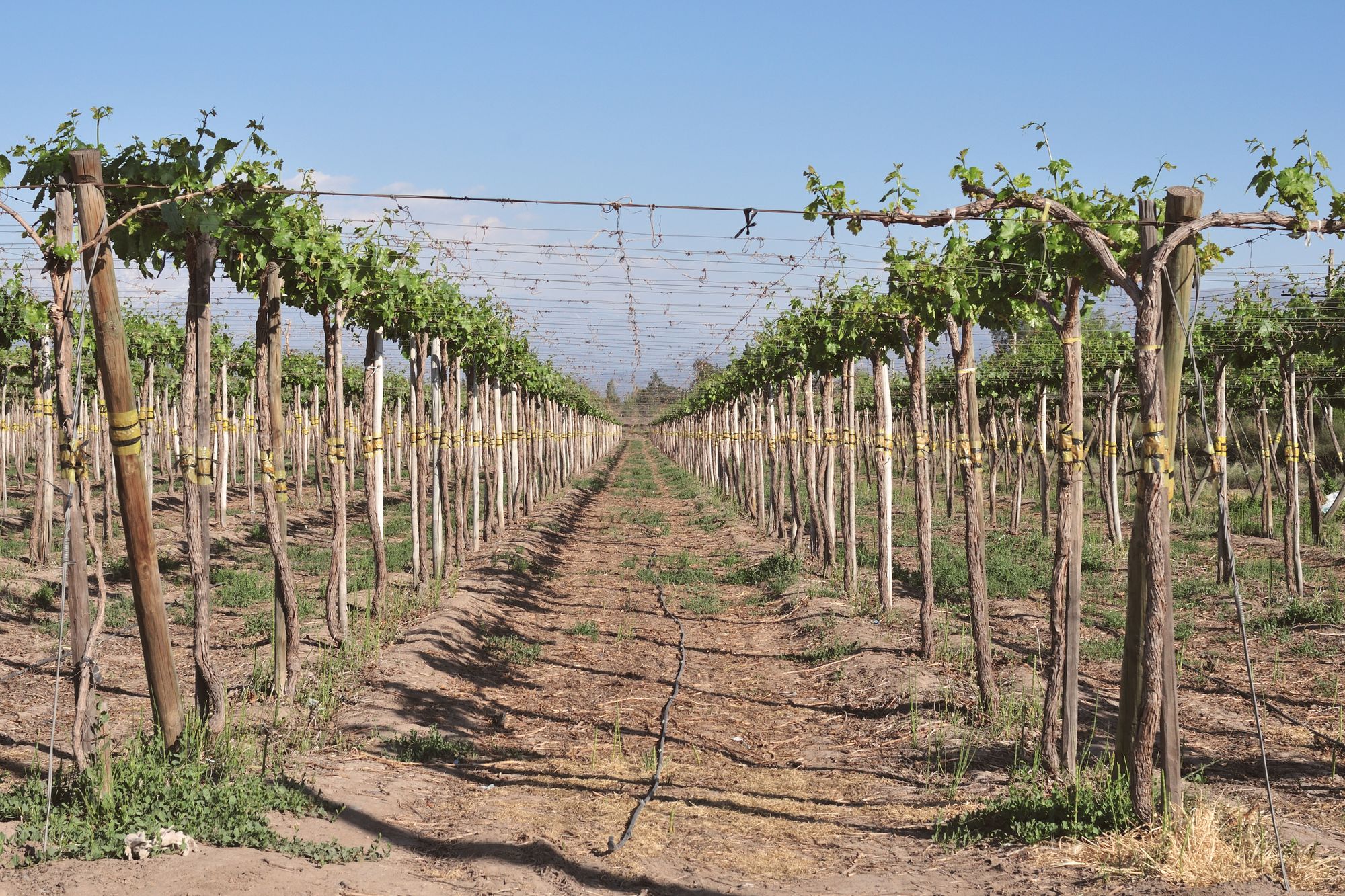
The Department for Environment, Food and Rural Affairs confirmed the decision on 11 September, ruling that the names “English Whisky” and “English Whiskey” can now only be used for spirit distilled in England from cereals grown in the UK. The English Whisky Guild led the application after more than six years of work with producers and Defra.
The status places English whisky alongside Scotch Whisky, Single Malt Welsh Whisky and Irish Whiskey, meaning all four nations of the United Kingdom now hold equivalent GI protection for their national spirit.
The last UK whisky without a legal name is now the one with the newest paperwork to prove it.
What the GI status requires
Producers must distil in England and use cereals grown within the UK to carry the protected name, rules modelled on the geographic and production restrictions that already govern Scotch. The designation gives English whisky legal standing to challenge imitators trading on the name without meeting either condition, at home or in export markets.
Cereal growers stand to gain too: distilleries sourcing under the GI scheme must buy UK-grown grain, tightening a supply chain that has so far run on informal, non-binding relationships between farms and stills.
English whisky's decade of growth
The category has expanded from a handful of producers to roughly 70 distilleries, most founded within the past fifteen years as English sites moved from novelty status to a recognised, if still small, corner of the whisky map dominated by Scotland.
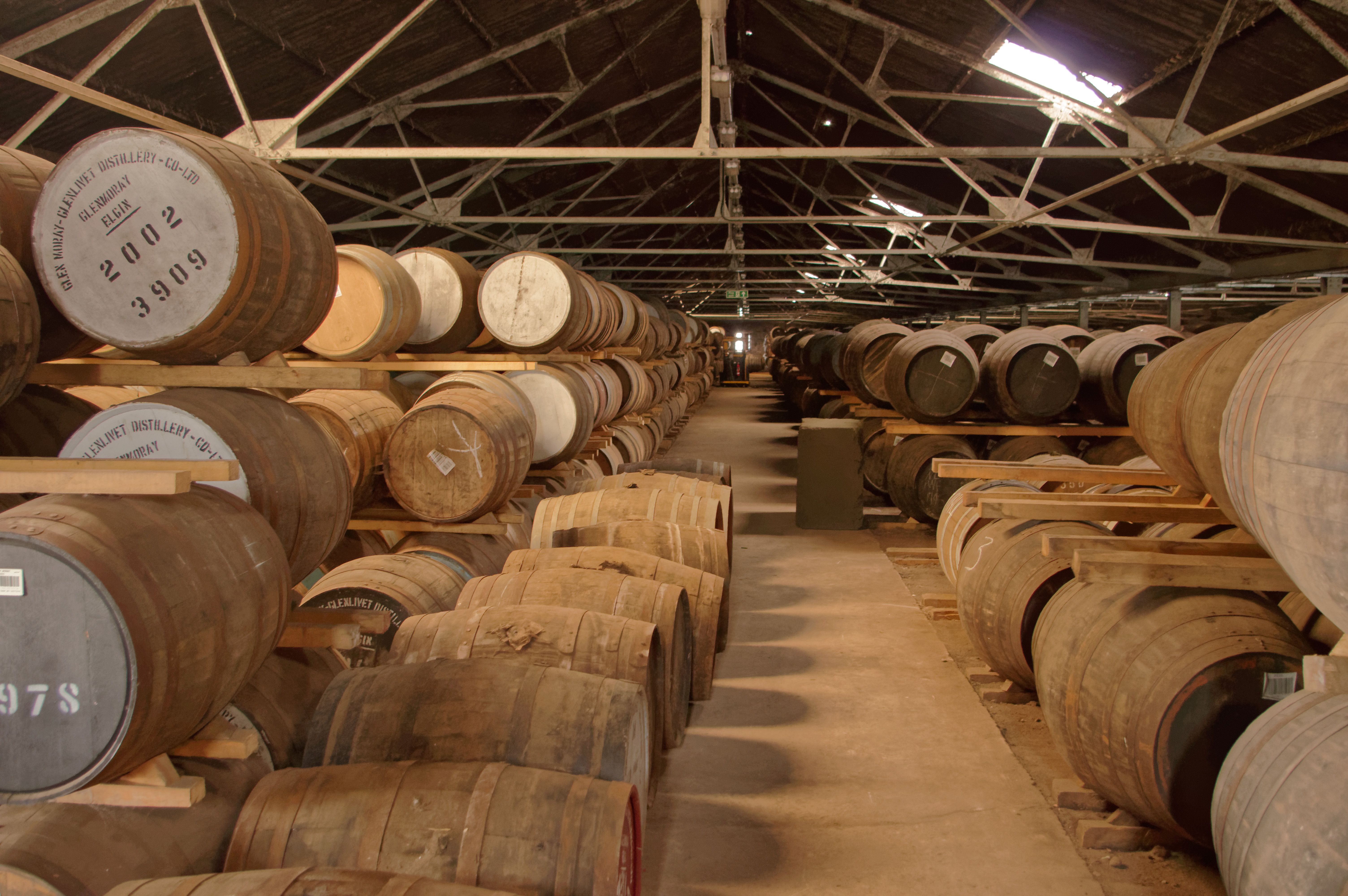
That growth mirrors the wider English distilling boom that has also produced record runs of gin and, more recently, a cluster of new single malts competing for shelf space next to established Scotch brands such as Glendronach and Loch Lomond. Unlike those centuries-old distillers, most English whisky producers are still ageing their first stock, which means the category's flagship releases are only now reaching bottling age.
The GI status changes nothing about what is already in the warehouse. What it protects is the next generation of English whisky, due to reach market over the coming decade as those early distillations mature.
Sources
- The Spirits Business · 2026-09-14
- The Drinks Business · 2026-09-11
- Farmers Guide · 2026-09-12