Alsace wine harvest 2026 ends better than feared
Drought cut Riesling by up to 40% in places and hail hit the north, yet Alsace's third straight smaller crop is milder than feared, with sugar-rich musts and acidity intact.
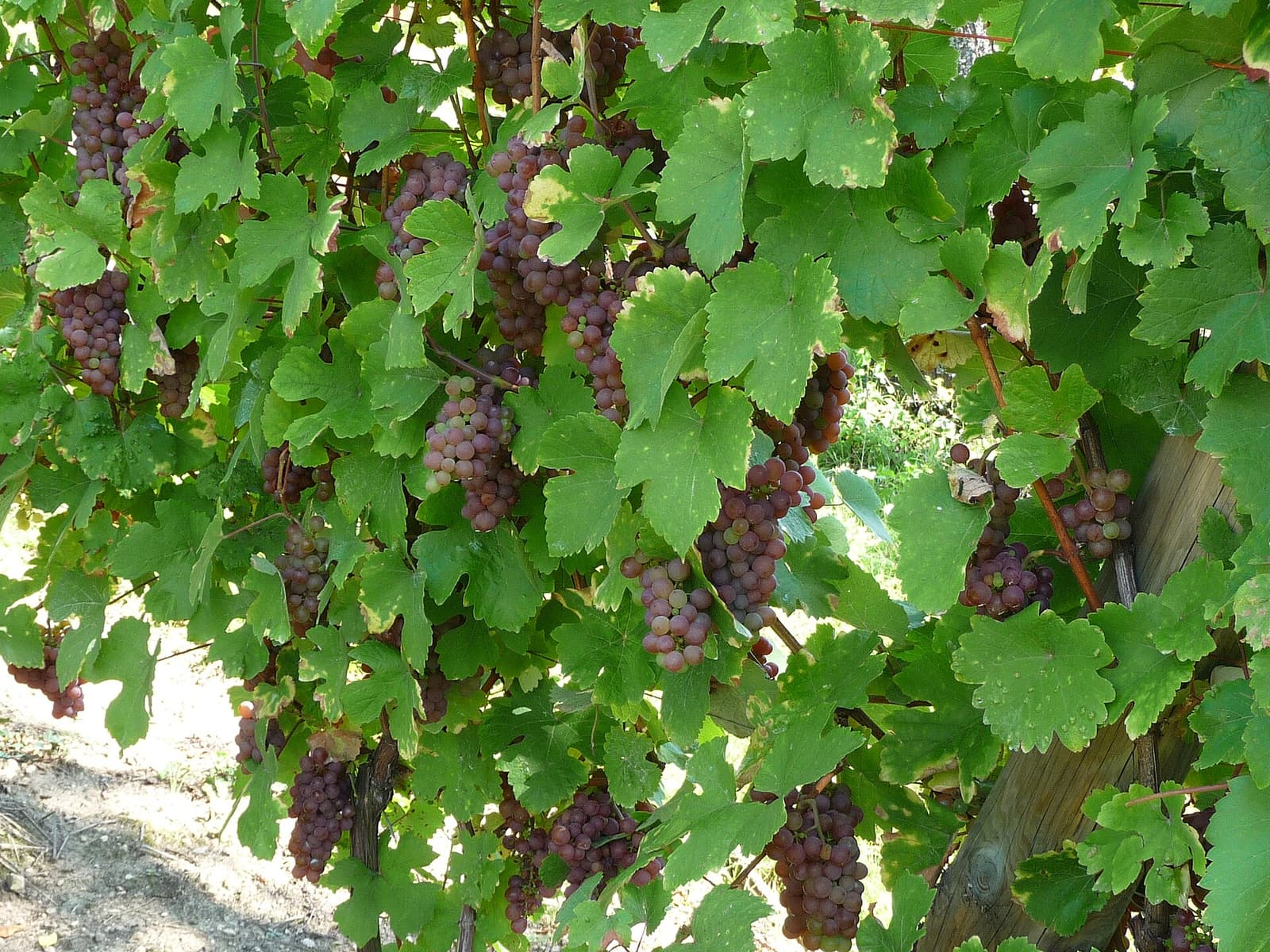
The Alsace wine harvest 2026 is closing with far less damage than growers expected: the Chamber of Agriculture of Alsace puts the crop at around 804,000 hectolitres, 4.4% below the 840,681 hl of 2025 and the third smaller harvest in a row.
"Volumes are acceptable, when we expected the drought to cause carnage," Léa Meyer, oenologist at the chamber, told the trade site Vitisphere on 28 September. The relief is relative. Across France, Agreste, the agriculture ministry's statistics office, estimated the national crop at 33.9 million hectolitres as of 1 September, 6% down on 2025 and 17% below the five-year average, in what is shaping up as France's smallest wine harvest since 1957.
Agreste's own reading for Alsace was slightly harsher, at 6% below 2025. Late rain did arrive, the office noted, but the drought had already kept the berries small.
Alsace lost less wine than it feared, and Riesling paid most of the bill.
Riesling takes the heaviest losses
The damage is uneven by grape. Riesling lost up to 40% of its yield in some sectors, and a few parcels were not picked at all, according to growers and advisers quoted by Vitisphere. Pinot gris also suffered, while Pinot blanc and Auxerrois were among the good surprises. Gewurztraminer is mixed: some lots show a lack of finesse and overripe lychee aromas.
Hail added to the drought in the north of the Bas-Rhin. Emmanuel Kreiss, a grower in Rott, saw 8 of his 10 hectares hit by the storm of 16 July, with losses of up to 90% in some sectors. He still expects his overall yield drop to stay below 15% once his last parcel is picked on 1 October.
A record-early Alsace wine harvest 2026 in the cellar
The calendar was the other anomaly. The first grapes for Crémant d'Alsace were cut on 12 August, the earliest date on record, and the official start on 18 August opened Crémant, still wines and grands crus on the same day, a first for the region. "There are no longer any pre-established rules," Théo Grischko, general delegate of the Association des Viticulteurs d'Alsace, told France 3 in August. Thirty years ago, picking began in late September or early October.
In the cellar, the musts arrived with high sugar levels and acidity that held up better than feared, according to the chamber. Assimilable nitrogen is low and fermentations are dragging, but no stuck ferments had been reported by the end of September.
For a region that has now shrunk three years running, a smaller, more concentrated vintage is not the worst outcome on offer. Kreiss will do his sums on 1 October; the official count follows with the customs harvest declarations later in the autumn.