Indri's Diwali whisky ages in Portuguese port casks
Piccadily Agro's Haryana distillery releases a 58.5% single malt finished in ruby port wood, limited to 180 bottles and priced at £200 in the UK.
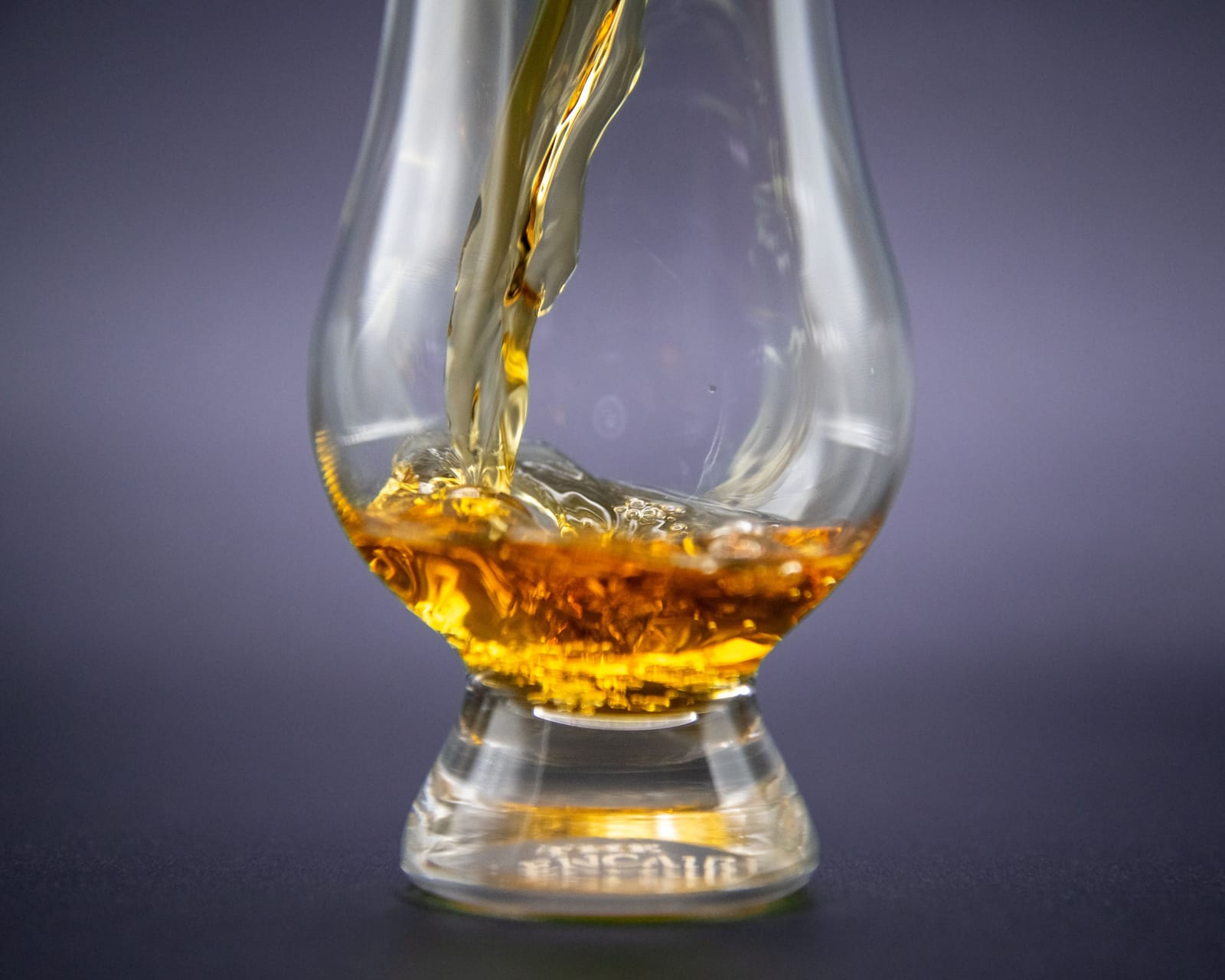
Indri, the Haryana single malt that has built a following among whisky collectors, releases its Diwali Collector's Edition 2026 this month, finished in ex-ruby port casks shipped from Portugal.
The whisky comes from Piccadily Agro Industries, the Indian distiller behind Indri since 2021. It bottles at 58.5% ABV with no age statement, a cask-strength release aimed at the same drinkers who made the brand's earlier Diwali editions sell out within weeks.
Each bottle is numbered, part of a run limited to 180, and reaches UK spirits specialists this month at £200 (about $265) — among the higher prices Indri has set for a UK release.
A seasonal, gifting-led release timed to the Hindu festival of lights.
The port-cask finish is new ground for the brand. Previous Indri Diwali editions have leaned on bourbon and sherry wood; the ruby port casks bring a sweeter, fruit-forward profile that the distillery is positioning as a seasonal, gifting-led release timed to the Hindu festival of lights.
A young distillery with an old finish
Piccadily Agro Industries built its Indri distillery in Haryana state, north India, and launched the brand in 2021. The single malt has since picked up awards at international spirits competitions and built a presence in markets including the UK, where cask-strength Indian whisky remains a niche but growing category.
Indian single malt has expanded fast over the past five years, with Amrut and Rampur alongside Indri taking share from Scotch in blind tastings and awards. Cask-finishing in European wine wood — port, sherry, Madeira — has become one way the newer distilleries differentiate a young spirit against competitors with decades more stock to draw on.
Diwali as a release date
Tying the release to Diwali, which falls in October or November depending on the lunar calendar, gives Piccadily Agro a recurring annual moment to launch limited runs rather than a single flagship bottling. It is a strategy other Indian producers are starting to copy, turning a religious and cultural calendar into a release schedule usually associated with Scotch distilleries' festive-season single casks.
Whether 180 bottles at £200 each move as quickly as earlier editions will be the clearest signal yet of how far UK demand for Indian whisky has grown beyond early adopters.