Saint-Sardos AOC makes no wine for the first time
The Gascony appellation's cooperative has stopped vinifying and its last independent grower has switched to table wine, ending a run that began in 2011.
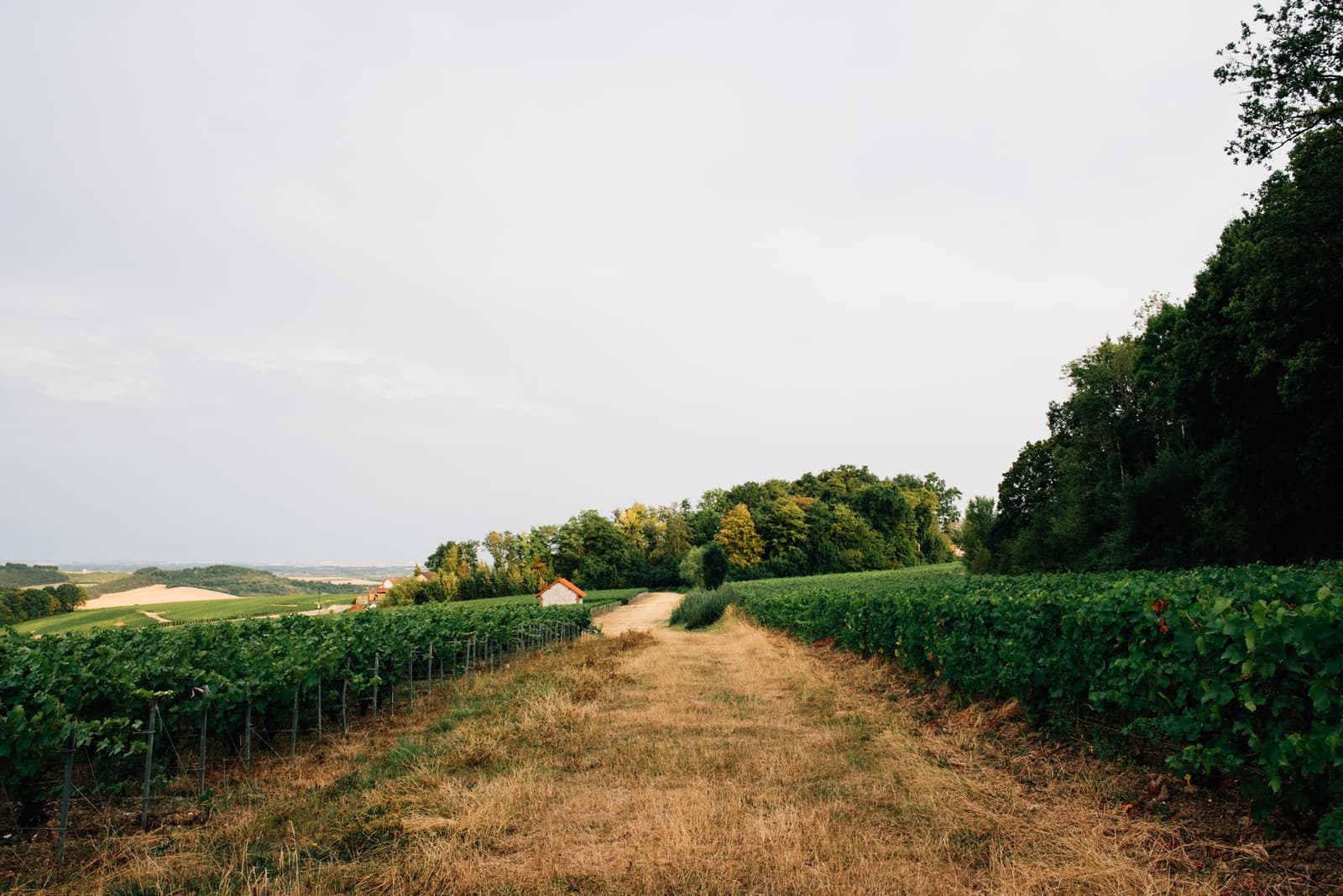
Saint-Sardos AOC will bottle no wine from the 2026 harvest, the first time a French appellation has gone a full vintage without producing a single litre.
The appellation sits in the Lomagne, a stretch of Gascony straddling Tarn-et-Garonne and Haute-Garonne, recognised in 2011 for red and rosé blends built on tannat and syrah. Production has always rested almost entirely on one structure: the Vignerons de Saint-Sardos, a cooperative founded in 1955 that at its peak processed grapes from more than 130 hectares.
That base has collapsed. A court-approved restructuring plan cleared the cooperative's books on 16 December 2025, and by the 2026 harvest only eight members remained, farming 38 hectares between them, down from around 100 hectares the year before. The cooperative has not vinified a single grape this year and is now liquidating its remaining stock.
Fifteen years after recognition, Saint-Sardos has run out of growers before it ran out of vines.
A catastrophic 2025 set the exit in motion
Hervé Cayrou, the AOC's president, traces the collapse to a run of poor vintages layered on a shrinking membership. "Production fell every year," he said. "In 2025 we were down to a hundred hectares, and the harvest was catastrophic — everything burned, and we brought in just 16 hectolitres per hectare. We lost a vintage to weather roughly every two years."
The INAO, France's appellation authority, has placed Saint-Sardos into "mise en sommeil," a dormant status that preserves the appellation's legal existence without requiring anyone to harvest under its name this year. Regional wine trade press describe it as a first for Occitanie: no local AOC has previously gone dormant for lack of growers rather than lack of demand.
The last independent grower steps outside the AOC
One estate had kept working inside the appellation without the cooperative: Domaine La Tucayne, seven organic hectares in Bouillac. Its co-manager, Sébastien Almendros, said the arithmetic no longer works alone. "Financially, and in terms of workload, staying independent inside the appellation isn't feasible any more, whatever our attachment to it," he said. La Tucayne will now bottle as Vin de France, the country's least restrictive classification, trading the Saint-Sardos name for the freedom to farm and blend as it chooses.
That leaves the appellation with a legal identity but, for now, no wine carrying its name. Elsewhere in the wine trade, consolidation is moving in the opposite direction — witness Henkell Freixenet's move to buy a majority stake in Ireland's Cassidy Wines. Whether Saint-Sardos revives depends on whether enough growers return to vinify together again, something its dormant status allows without a deadline attached.