Competitive socialising grows: golf and bowling with good food
Golf simulators, bowling lanes and shuffleboards with a serious kitchen: competitive socialising is booming. At Club Birdies in Amsterdam, more than 70 per cent of revenue comes from food and drink.
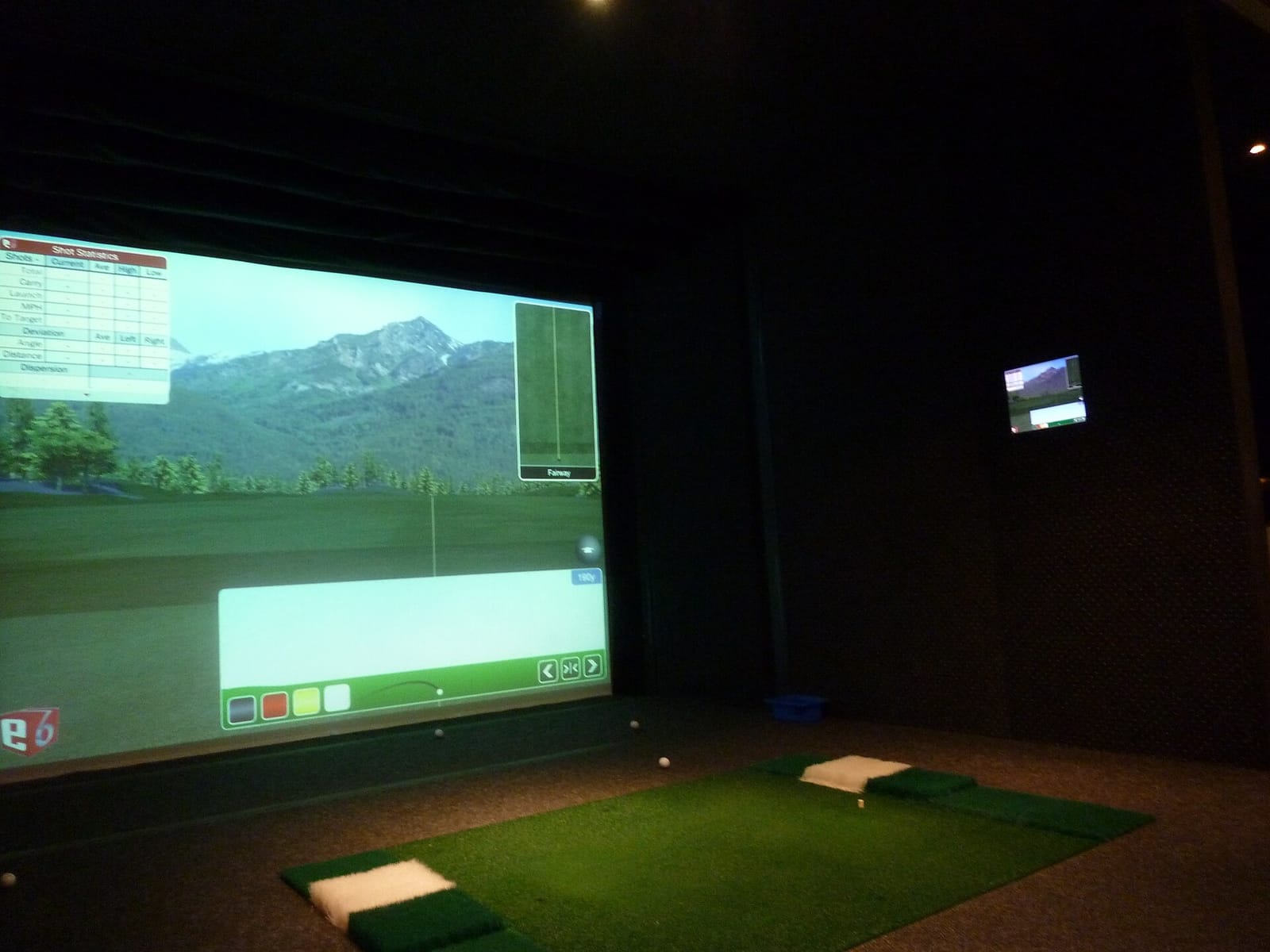
Going out with a game on the side, or competitive socialising, is gaining ground fast in Dutch hospitality. According to trade magazine Entree Magazine, venues that combine bowling, pool, golf or padel with good food and drink are booming. One of its examples is Club Birdies in Amsterdam, where the game is mostly a reason to stay at the table for longer.
Club Birdies opened in September 2025 at Pilotenstraat 41, near the Schinkel. You play in twelve golf bays fitted with TruGolf simulators. According to owner Ruben Ramspeck, you can choose from around 10,000 virtual golf courses worldwide. There is also a restaurant with 90 covers, a café, a wine room and a large terrace. In total, the venue holds about 350 guests.
With competitive socialising, it is all about the kitchen
The game draws the guests, but the money is in the kitchen.
The game draws the guests, but the money is in the kitchen. Ramspeck tells Entree that the restaurant and café together account for more than 70 per cent of revenue. Guests stay for about four hours on average, and roughly half come only to eat or drink. In its first four months, the venue turned over one million euros, Entree reports. Everything is cooked over open fire, and groups can book a walking dinner for up to 300 guests.
Club Birdies fills the quiet early-week hours with competitions and an affordable daily menu. Its website lists a regular competition night on Tuesdays. Dinner is served from Tuesday to Saturday between 18:00 and 22:00, and from 1 December there is a four-course Christmas menu at € 72.50 per person.
Bowling centre KNIJN in Amsterdam, which has existed since 1971 and is run by sisters Ilse and Olga Knijn, has also recently been fully renovated, according to Entree. Outside Amsterdam, the magazine mentions Poort Padel in Almere, an indoor club with thirteen courts and a grand café.
Expensive toys, less alcohol
It does not come cheap. A shuffleboard costs around € 30,000 each, says Huub van de Vecht of The Grand Shuffle, plus monthly fees for software and licences. Renting out the lanes brings in 15 to 20 per cent of his revenue; there too, the rest comes from the bar and the kitchen.
Trend watcher Vincent van Dijk explains the rise in Entree: guests spend less on drinks and therefore look for a special experience when they go out. He points to social media and falling alcohol consumption, and expects community to play a bigger role. In Rotterdam, entrepreneur Marcel Maan is developing a social gaming bar on the Stadhuisplein. The next competitive socialising opening is already set: The Grand Shuffle opens on the Turfmarkt in The Hague on 26 February 2027.