Dutch hospitality in 2027: ABN AMRO expects continued pressure
Guests still eat out, but less often and less spontaneously. In its new sector forecast, ABN AMRO sees rising wage costs and critical consumers eating into hospitality margins.
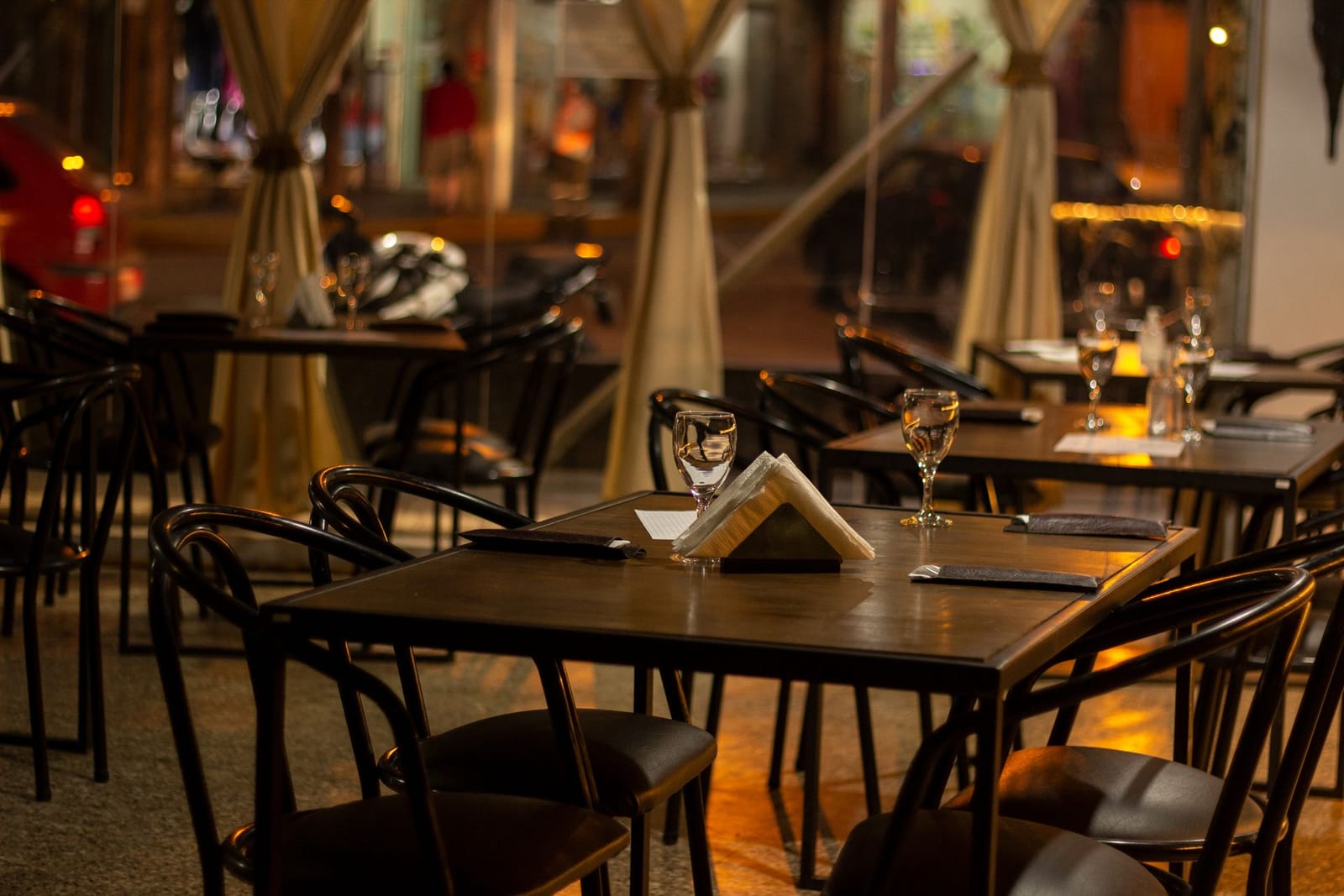
Dutch hospitality in 2027 should brace for continued pressure on volumes. That is the message of the Leisure sector forecast that Amsterdam-based bank ABN AMRO published on 23 November. According to the bank, guests are still eating out, but they do so less often and less spontaneously.
In the first half of 2026, hospitality volumes shrank by almost 1 per cent compared with the same period in 2025, ABN AMRO reports. For the leisure sector as a whole, hospitality and travel combined, the bank expects a contraction of 1 per cent this year and stagnation in 2027.
What stands out is that the money is there. Collectively agreed wages are rising faster than inflation, the labour market is tight and households together hold substantial savings, the bank writes. Even so, guests weigh price against quality more carefully. According to ABN AMRO, consumer prices in restaurants rose faster than those of groceries and ready meals in the supermarket.
Guests still eat out, but less often and less spontaneously.
Staff costs weigh on Dutch hospitality in 2027
Staff are the biggest cost. At places to eat and drink, 35 per cent of turnover goes on personnel costs, and 26 per cent at accommodation providers, the bank says. Since 2020, collectively agreed wages have risen by almost 30 per cent and the minimum wage by 40 to 55 per cent, depending on the length of the working week. On top of that, the youth minimum wage rises from 1 January 2027, making students under 21 more expensive to employ.
Business owners are caught in a squeeze, according to ABN AMRO. Higher prices could dampen demand further, while not passing on rising staff, energy, rent and purchasing costs shrinks margins. Statistics Netherlands showed earlier this month how tight things are: in October, hospitality recorded proportionally more bankruptcies than any other sector.
AI as a tool, not a business model
The bank sees gains in day-to-day operations. According to Markteffect's MKB-Barometer 2026, 33 per cent of hospitality owners spend at least five hours a week on staff management, and 13 per cent still work with pen and paper. In 2025, according to Statistics Netherlands figures, 5 per cent of hospitality businesses with 2 to 10 employees used AI, Pretwerk reports.
Working more efficiently protects margins but does not attract guests, ABN AMRO stresses. That still takes a distinctive concept and convincing value for money. That new venues keep taking the gamble is clear from the nine new restaurants in Amsterdam this month.
On 1 December, Statistics Netherlands publishes its quarterly hospitality report for the third quarter of 2026. It will show how turnover developed over the summer months.
Sources
- ABN AMRO, Sectorprognose Leisure: Leisure zoekt balans tussen rendement en service ·
- Pretwerk, Leisure zoekt balans tussen rendement en service ·
- Accountant.nl, ABN Amro: AI biedt kansen voor groei, maar voordeel niet vanzelfsprekend ·
- Pretwerk, ABN AMRO: leisure stagneert in 2027, herstel naar 1 procent in 2028 ·