Energy saving obligation: Amsterdam to check 3,000 businesses
Over the next two years Amsterdam and Weesp will carry out some 3,000 checks on the energy saving obligation, many at bars and restaurants. What is checked, when a penalty looms and where to get free help.
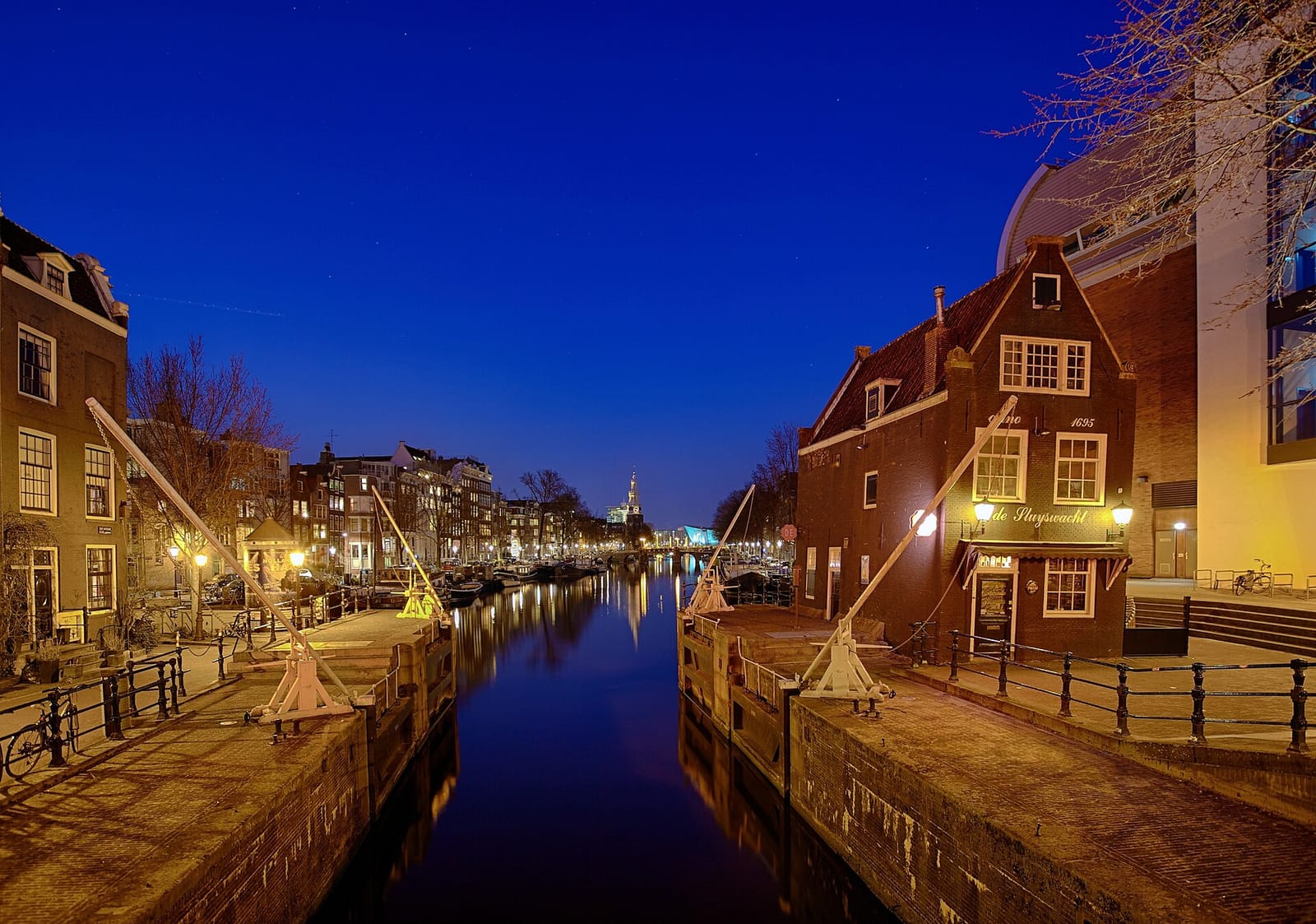
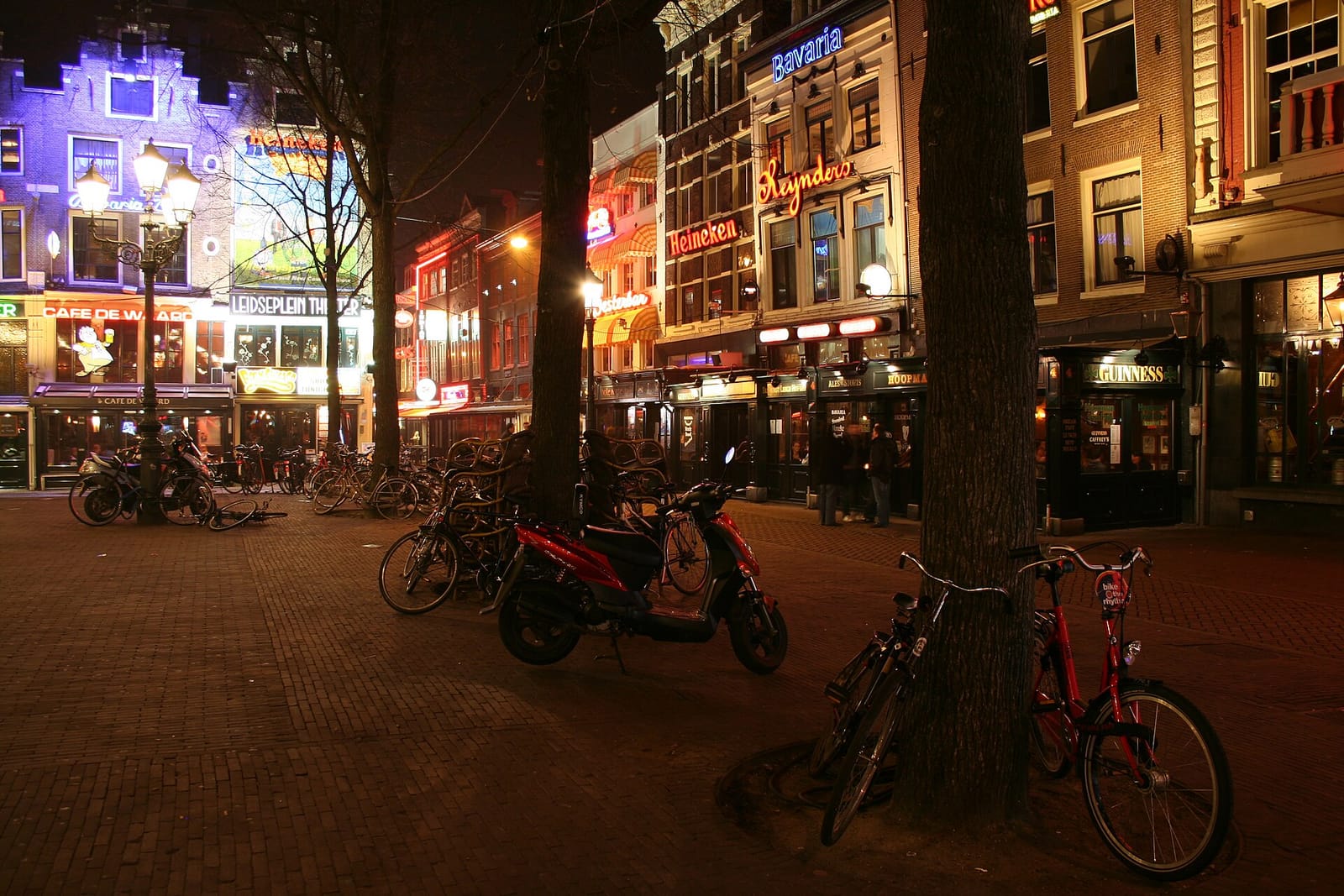
The energy saving obligation is about to be checked closely in Amsterdam's hospitality trade. Some 3,000 inspections are planned in Amsterdam and Weesp over the next two years, and according to the city a large share of them will take place at bars, restaurants and shops.
The City of Amsterdam announced this on 19 November. The checks are part of the new Energy Saving Agreement for North Holland, signed by all 44 municipalities in the province and by the province itself. It covers some 15,000 high-energy users province-wide. Four regional environmental agencies will carry them out.
The energy saving obligation: who it applies to and what happens
Amsterdam will inspect some 3,000 businesses over the next two years, and hospitality is at the front of the queue.
The obligation applies if your business uses at least 50,000 kilowatt hours of electricity or 25,000 cubic metres of gas a year. In that case you must take every energy saving measure that pays for itself within five years. The Netherlands Enterprise Agency (RVO) lists those measures per sector, hospitality included.
The city is targeting hospitality and retail on purpose: many businesses there have never been inspected, while the savings potential is good. After a first inspection, measures are agreed. Risk-based supervision follows, focusing on the biggest potential savings and on businesses that broke earlier agreements. Businesses that miss the deadline may face a penalty order (dwangsom).
The inspections cost 4.33 million euros in total. Amsterdam is contributing 2.6 million euros over the next two years; the province is subsidising a quarter of the total and the national government is also contributing.
A free energy scan and stricter rules from 2027
The city also offers help: via its Duurzaam Ondernemen desk you can request a free energy scan: an independent expert visits to look at your premises, your installations and your consumption. According to the Royal Dutch Hospitality Association (KHN), you then get a personal dashboard, an overview of subsidies and up to eighteen months of guidance. Over the past four years 1,097 businesses had such a scan; afterwards they saved an average of 10 to 20 percent on their energy bills, the city says.
The rules are tightening, too. The government wants to extend the payback period from five to seven years from 2027, KHN reports, which could make more expensive investments mandatory as well. The trade body backs energy saving but wants a higher threshold, clarity for rented premises and fair, targeted enforcement. We wrote earlier about 22 proposals against red tape in Dutch hospitality.
According to RVO, the proposed new list of measures will be published in January 2027 and the new reporting portal is expected to open in April 2027. By 1 December 2027 at the latest, you must report again on which measures you have taken.
Sources
- Gemeente Amsterdam, Energiebesparing bij ondernemers: meer controles én ondersteuning ·
- Koninklijke Horeca Nederland, Gratis energiescan voor horecaondernemers in Amsterdam ·
- Koninklijke Horeca Nederland, Actualisatie energiebesparingsplicht 2027: wat betekent dit voor jou? ·
- Rijksdienst voor Ondernemend Nederland, Energiebesparingsplicht ·