Ghana's cocoa price rise risks more smuggling
A proposed 6 percent rise in what Ghana pays its cocoa farmers would leave it paying roughly 75 percent more than Ivory Coast, reviving fears of beans crossing the border.
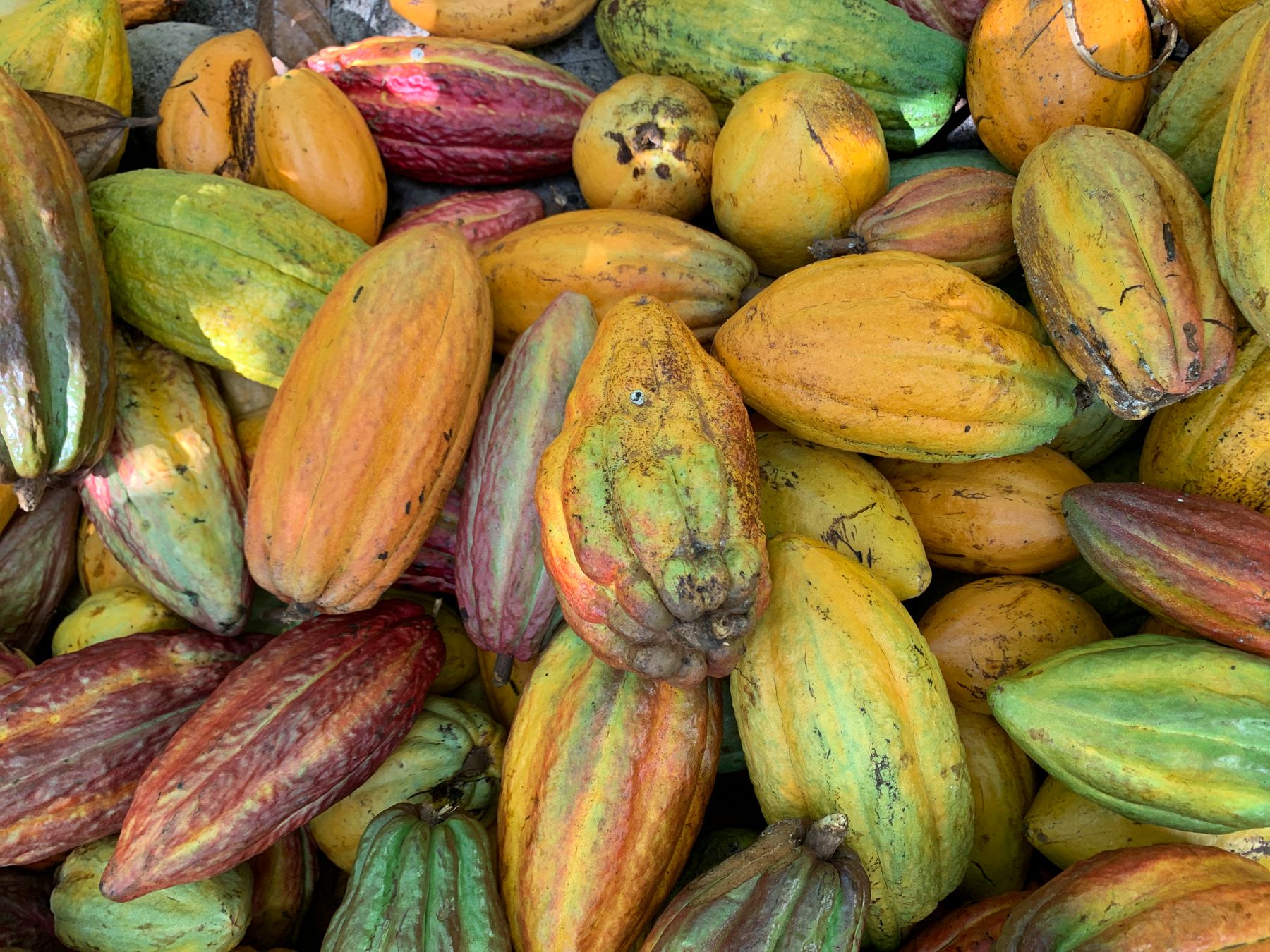
Ghana's cocoa price rise for farmers, proposed at about 6 percent for the season that starts this month, would widen the gap with neighbouring Ivory Coast and risk pulling more smuggled beans across the border.
The Ghana Cocoa Board wants to lift the farmgate price to 2,737 cedis, or $240, per 64-kilogram bag, up from 2,587 cedis, subject to approval from the finance minister, Bloomberg reported. Ivory Coast, the world's top producer, has kept its own price unchanged for the new season.
A 75 percent gap invites smuggling
A wider price gap between neighbours is an open invitation for cocoa to cross the border.
That would leave Ghana's price roughly 75 percent higher than Ivory Coast's, a gap wide enough to draw beans across the border, according to Bloomberg. Ghana targeted 650,000 tonnes for the 2025-26 season but received more than 750,000 tonnes, partly because of cocoa smuggled in from neighbouring countries.
Ghana Cocoa Board and the finance ministry declined to comment on the proposal.
Disease and heat squeeze both harvests
The price pressure comes as global cocoa futures have rallied about 50 percent since the end of May, driven by crop disease and a strong El Niño weather pattern that risks both flooding and drought across West Africa. Ivory Coast's output could fall 20 percent to 1.75 million tonnes in the 2026-27 season, while Ghana expects a 13 percent decline to 650,000 tonnes.
Ghana and Ivory Coast together grow around 60 percent of the world's cocoa, and the price gap between them has repeatedly reopened smuggling routes whenever one country moves first on pay. The new season's harvest is due to begin around September 17.
The squeeze echoes recent swings in other tropical commodities: Congolese coffee has fetched record prices at auction this year, as roasters compete for scarce, high-scoring lots from the same climate-stressed belt.
For chocolate makers already absorbing years of near-record cocoa costs, a tighter, more contested harvest in the two biggest growing countries offers little room for prices to ease.
Sources
- Bloomberg · 2026-09-09
- BusinessMirror · 2026-09-09
- MyJoyOnline · 2026-09-09