Champagne gets a 15 percent alcohol limit for 2026
After the region's earliest harvest on record left grapes unusually rich in sugar, French authorities raised Champagne's alcohol ceiling from its usual 13 percent.
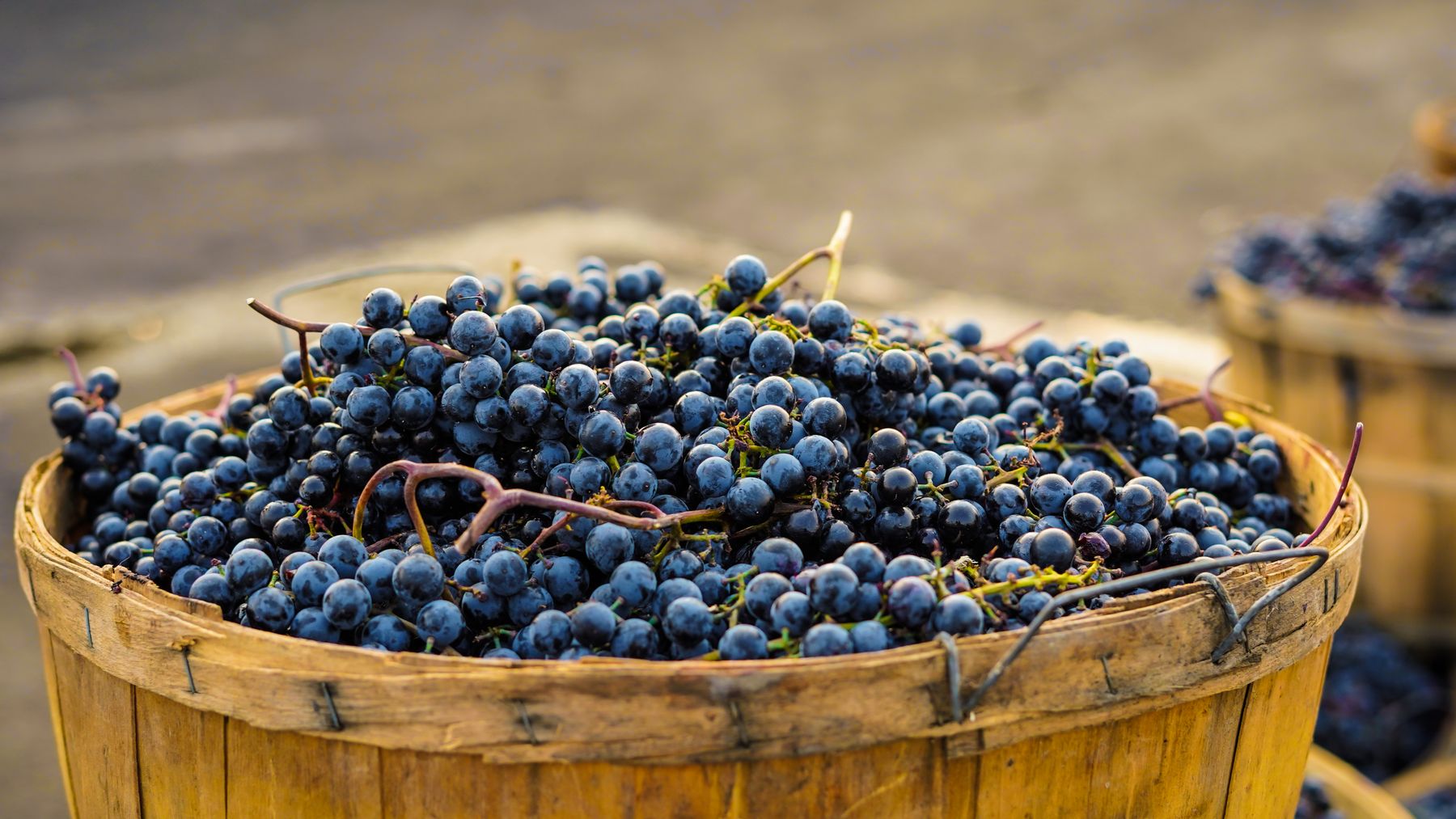
Champagne's alcohol limit for 2026 has been raised to 15 percent, up from the usual 13 percent, after the region's earliest grape harvest on record left grapes unusually rich in sugar.
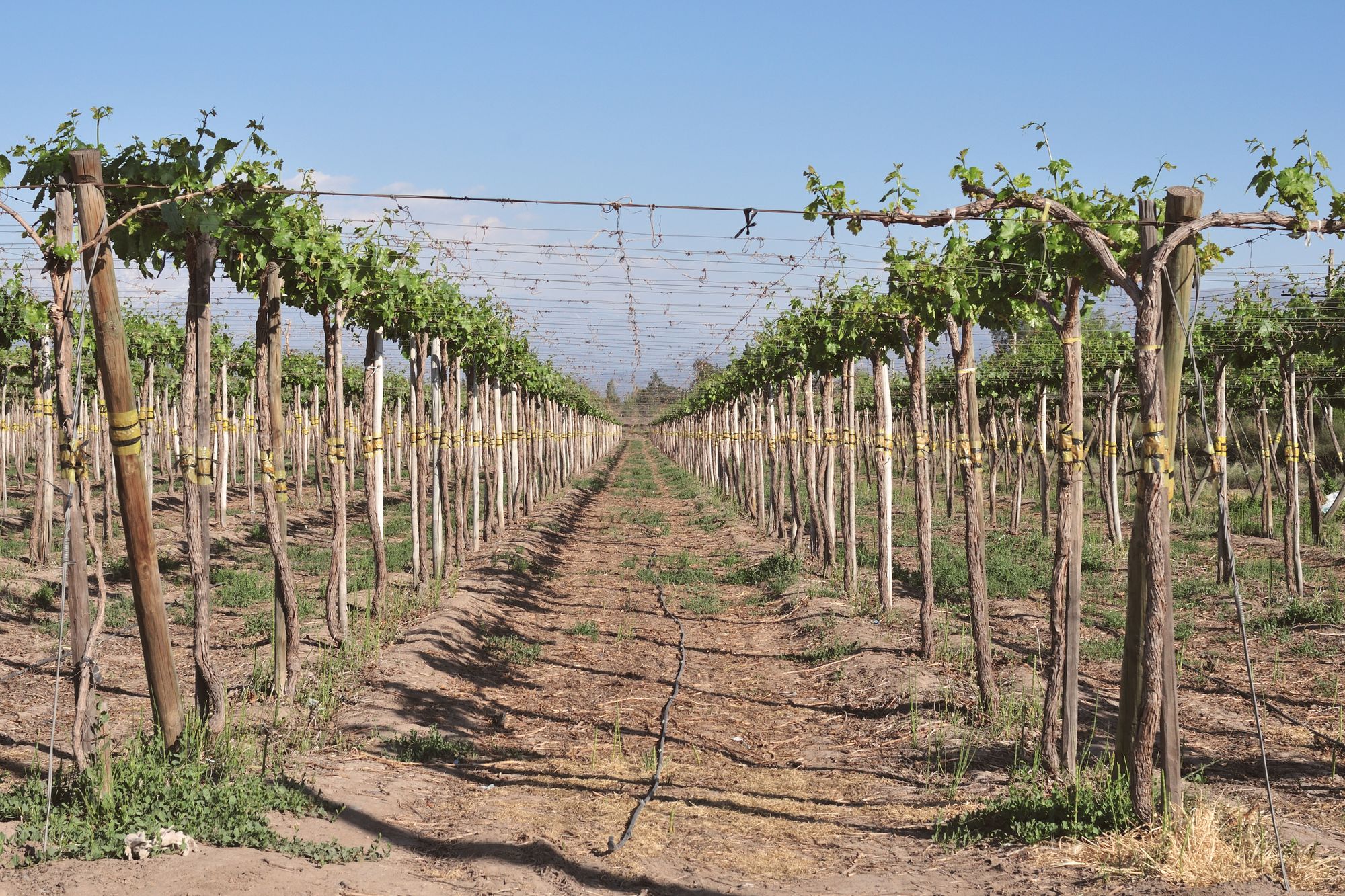
The first grapes were cut on August 6 and picking turned widespread by August 17, roughly two weeks earlier than in 2025, according to Comité Champagne, the region's growers' and houses' association. Extreme summer heat sped up sugar accumulation in the grapes, which in turn raises the natural alcohol level once the juice ferments.
Average alcohol stays below 12 percent
Champagne's growers gained more room to ferment, not permission to change its style.
Despite the historic ceiling increase, most growers will not need it. "The average after the harvest is below 12 percent," said David Chatillon, co-chair of Comité Champagne. "Not all winegrowers in Champagne will be above that level."
The 15 percent limit works as a safety margin for the plots that ripened fastest, rather than a shift in Champagne's typically lean, high-acid style. Comité Champagne said the crop "already has all the hallmarks of producing great, perhaps even exceptional, wines."
A harvest climate change could make routine
Maxime Toubart, the association's other co-chair, said the compressed calendar was a preview of what lies ahead. "This unusual harvest will probably become the norm in 10 to 15 years," he said.
Champagne's growers have adapted before, planting at higher altitudes and picking earlier almost every year this decade. This year's regulatory change marks the first time the region has needed to raise its alcohol ceiling to keep pace with the heat.
France's wider wine harvest is separately on track for its smallest volume since 1957, squeezed by drought and disease elsewhere in the country even as Champagne's yields held closer to average.
Bottles from the 2026 harvest will not reach shelves for years: Champagne's non-vintage blends typically rest for three years or more before release, so the full character and final balance of this unusually hot, early vintage will stay unknown for some time yet.
Sources
- The Local France · 2026-09-09
- France 24 · 2026-09-09
- Vinetur · 2026-09-03