CDC links Salmonella outbreak to raw Virginia oysters
Health officials have traced 28 confirmed illnesses to oysters harvested in Virginia's Little Wicomico River, with the investigation still open and no deaths reported.
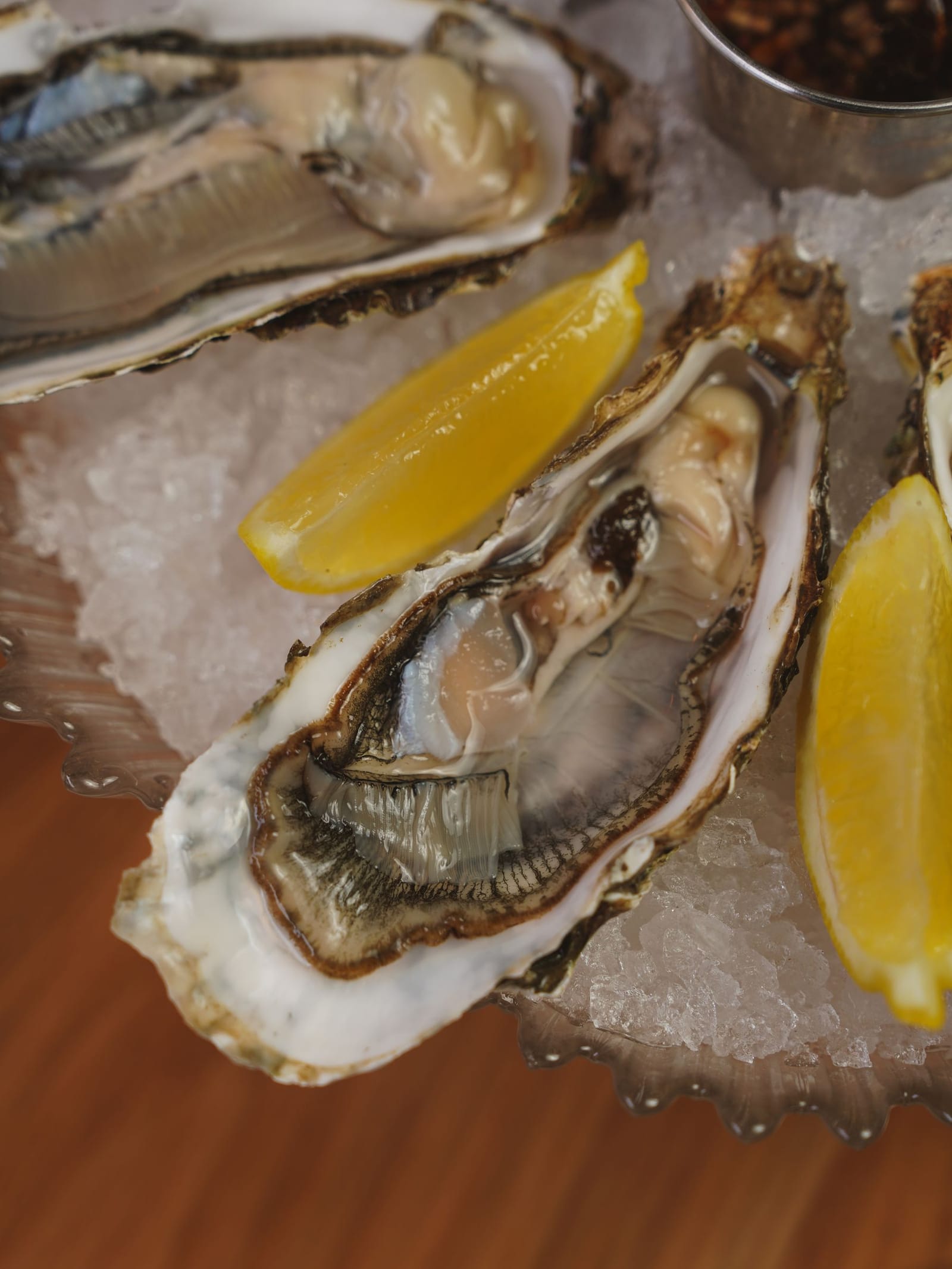
An oyster salmonella outbreak in Virginia has reached 28 confirmed illnesses, the US Centers for Disease Control and Prevention said on October 30.
The CDC says the oysters came from the Little Wicomico Oyster Company, which harvests from the Little Wicomico River area in Virginia. The agency opened its investigation on October 19, working alongside the FDA and public health departments in several states, and last updated its findings on October 30.
No deaths have been reported, according to the CDC's own outbreak page. The agency has not published a hospitalization count or a state-by-state breakdown of cases, though it notes that the confirmed total likely understates the real scale of the outbreak, since many people who fall ill recover without seeing a doctor or being tested.
One identified source, one recall, zero deaths reported — a contained outbreak, for now.
What the CDC has confirmed so far
Recent illnesses can take three to four weeks to be added to the official count, the CDC says, because laboratories first need to match a sick person's bacterial sample to the outbreak's genetic fingerprint before confirming the link.
Separate state health notices and press reports describe a wider footprint, citing cases spread across roughly a dozen states and a small number of hospitalizations. The CDC's own page does not carry those figures, and the gap between the federal tally and the local reporting has not been resolved.
The investigation sits inside a longer-running surveillance effort against the same strain, Salmonella Telelkebir, which separately sickened 64 people across 22 states in a 2025 outbreak whose source was never confirmed. The CDC has drawn no link between that earlier cluster and the Little Wicomico Oyster Company.
Handling raw oysters safely
Oysters are no longer being harvested from the Little Wicomico River area, and the CDC says any recalled product should by now be past its shelf life. Its advice to kitchens and consumers is unchanged: "Cook oysters before eating to reduce your risk of food poisoning."
Raw oysters carry a risk that cooking removes, since the animals filter-feed from the water they grow in and can hold Salmonella or Vibrio bacteria regardless of how fresh or carefully they were handled — a structural issue familiar to anyone who has followed how closely French growers now track calibration and origin for the same reason. Restaurants running raw bars typically rely on harvest-tag traceability, not visual inspection, to catch a recall like this one before it reaches a plate.
The CDC says it will update the case count as new information arrives. For now, it has named a single source, removed it from the supply chain, and reported no fatalities — an outbreak that, on the agency's own figures, looks contained rather than expanding.