Spain's olive oil harvest forecast jumps 23% for 2026/27
The agriculture ministry puts the coming campaign at 1.6 million tonnes, with Jaén alone set to produce more than a third of the national crop.
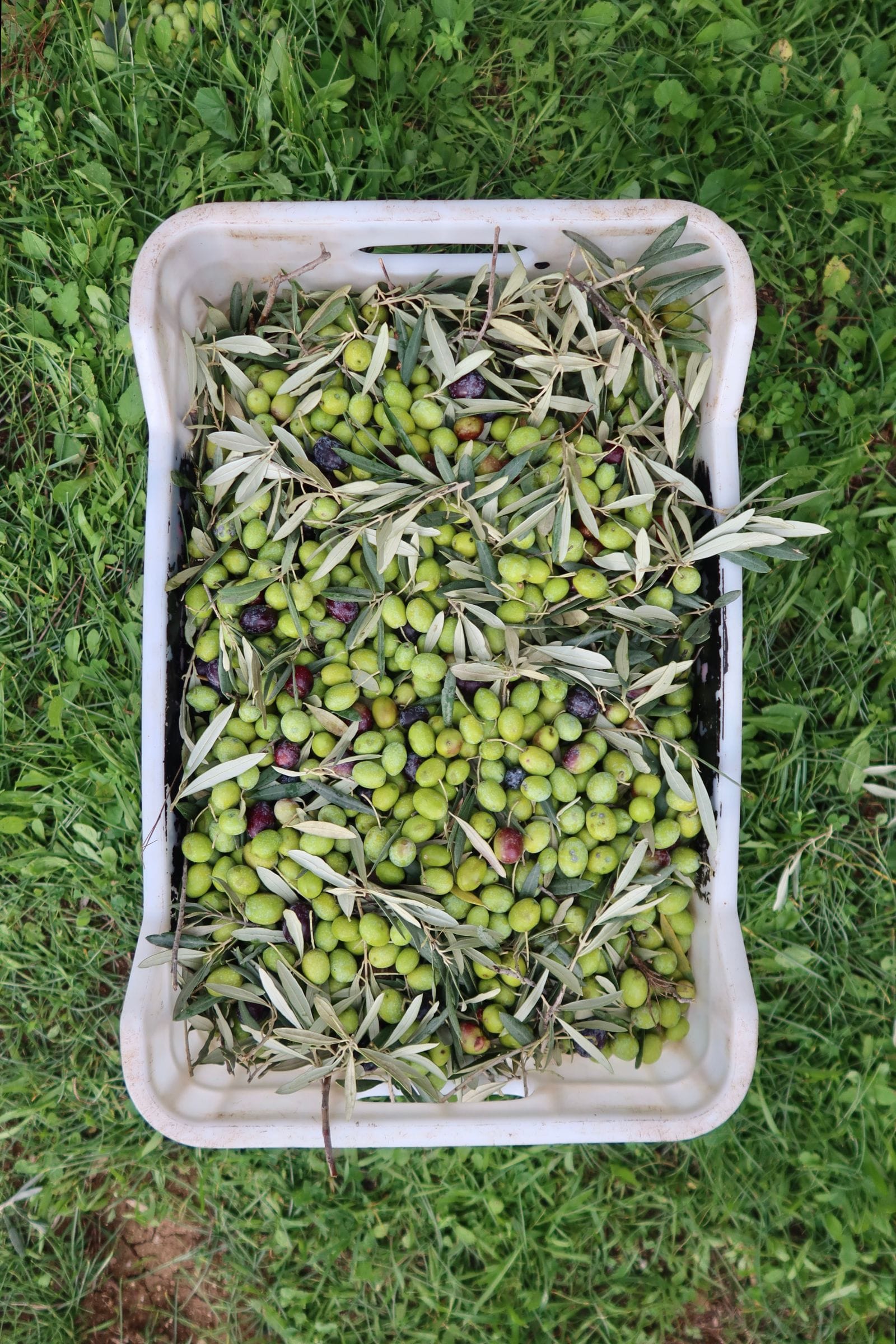
Spain's first official forecast for the 2026/27 olive oil harvest points to 1.6 million tonnes, 23% more than the previous campaign, the country's agriculture ministry said on 1 October.
The ministry, known as MAPA, put the exact figure at 1,602,596 tonnes against 1,298,000 tonnes a year earlier. Andalusia accounts for most of the jump: 1,261,200 tonnes, up 29% and nearly 79% of the national total. Spain's harvest fell below 700,000 tonnes in 2022/23 after a historic drought, a shortfall that helped push retail olive oil prices to record highs across Europe.
Jaén drives Spain's olive oil rebound
A bigger harvest is the one variable Spanish producers cannot negotiate away.
Within Andalusia, Jaén province alone could produce up to 575,000 tonnes, more than a third of Spain's entire crop. Castilla-La Mancha forecasts 152,555 tonnes, up 10%, and Extremadura expects 97,300 tonnes, a 24% rise. Catalonia, Aragón, the Balearic Islands, Madrid, Murcia and Navarra are the only regions forecasting declines.
MAPA attributes the rebound to a mild, wet spring in the main growing areas, which favoured flowering and fruit set. A hot summer since has hit rain-fed groves hardest, and the ministry says the coming weeks' weather will decide how much oil the olives actually yield.
Growers brace for a bigger crop
The numbers remain provisional and open to revision as picking continues through the winter. Spain's statistics are built from figures reported by its regional governments, and a handful, including Castilla y León and Galicia, had not yet reported theirs at the time of publication.
On 30 October, the ministry published a rule allowing a temporary market-withdrawal mechanism for olive oil, with initial stocks put at 357,040 tonnes. It is a sign the sector is bracing for a glut rather than the shortages of the past two campaigns.
After two years of record prices at the till, a bigger harvest is the one variable Spanish producers cannot negotiate away. For context on Spanish produce news, see Córdoba's hosting of the World Cheese Awards.