Spanish olive oil prices slide as farmers demand storage rule
Extra virgin trades below €3.20 a kilo at origin, and Spain's four big farm organisations want Madrid to order mills to hold back part of a 1.6-million-tonne crop.
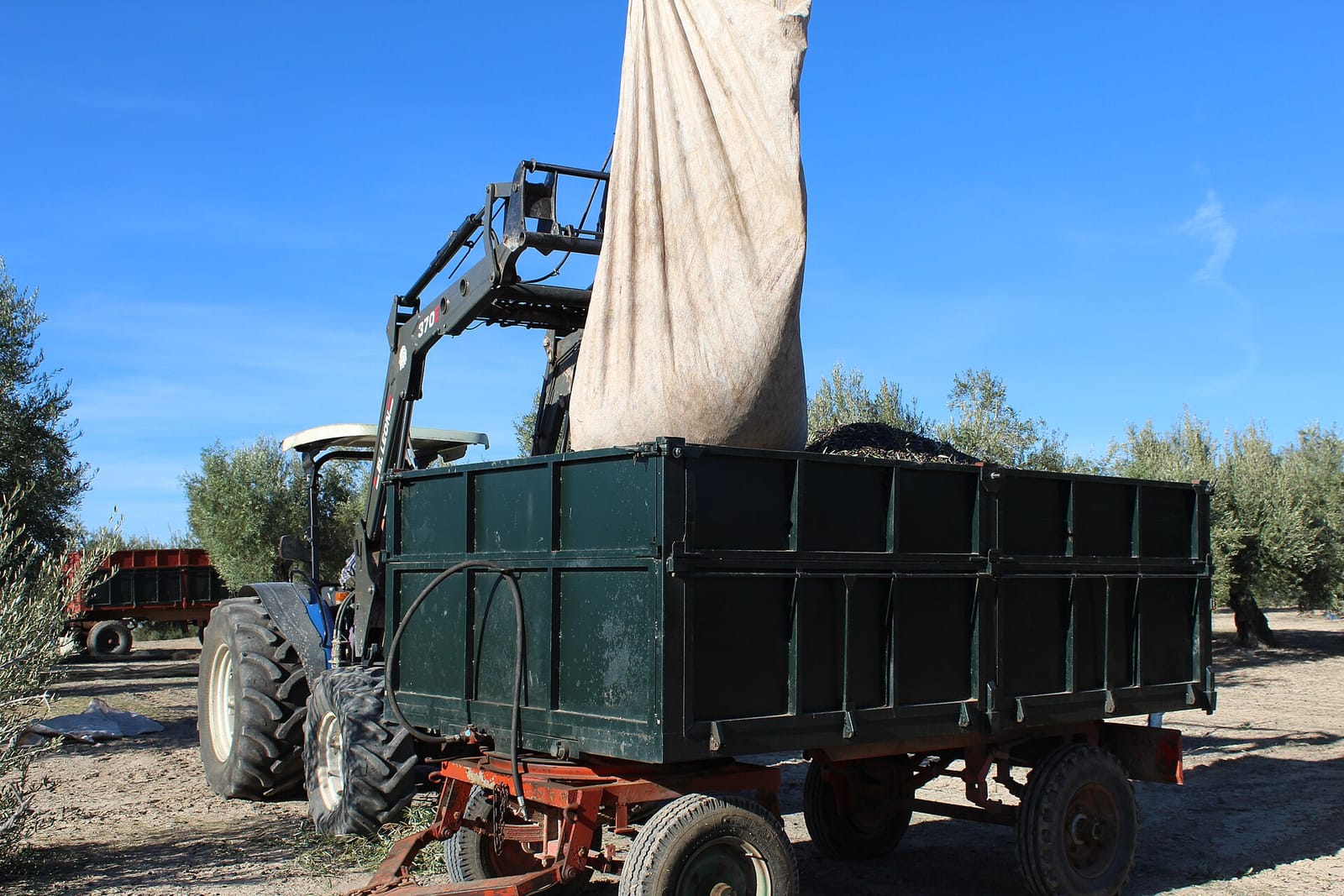
Spanish olive oil prices have fallen below €3.20 a kilo for extra virgin at origin, and the country's four main farm organisations want the government to take part of the new crop off the market before they fall further.
ASAJA, COAG, UPA and Cooperativas Agro-alimentarias de España jointly asked the Ministry of Agriculture on 20 October to publish, the ministerial order and the resolution that would activate the olive oil marketing standard for the 2026/27 season. The mechanism, built on article 167 bis of EU Regulation 1308/2013, obliges mills to store a share of their output. The groups put lampante oil below €2.90 a kilo and criticised the ministry's lack of diligence.
At the end of June, Poolred data put extra virgin at €3.80 a kilo; on 9 October, when the same four organisations first wrote to minister Luis Planas, they cited about €3.30. The first oils of the new season are already being pressed, and the groups argue that every week without the rule rewards operators who sell everything before it takes effect.
A big harvest is good news for shoppers and bad news for the groves that produce it.
A bigger harvest weighs on Spanish olive oil prices
The ministry's first estimate, presented in Jaén on 1 October, puts the 2026/27 harvest at 1,602,596 tonnes, 23% more than last season. Andalusia alone is forecast at 1,261,200 tonnes and the province of Jaén at 575,000 tonnes, 36% of the national total. The regional breakdown is in our Andalucia olive oil forecast for 2026/27.
Add the stocks carried over from 2025/26 and the organisations estimate total availability above 2,175,000 tonnes, far beyond what Spain usually sells in a season. Rainfed groves, which make up about 70% of the olive area grown for oil, are the ones that struggle most at these prices. Spain is not the only producer in this position: Greece's rebound has pushed its prices below cost as well.
How the withdrawal rule would work
The draft order that the ministry put out for consultation in July sets the trigger: opening stocks plus estimated production must reach at least 120% of the average of the previous six seasons. The share to be stored would be fixed by a resolution published in the Boletín Oficial del Estado before 15 November, capped at 20% of estimated production, and held by the mills themselves. From 31 December the ministry can lower the percentage if revised harvest figures fall short.
Bottlers and exporters oppose the measure. The farm groups reply that neither supply nor quality is at risk and accuse the industry of wanting to buy as cheaply as possible. Until the order appears, Spanish mills are pressing a big crop without knowing how much of it they will be allowed to sell this winter.
Sources
- Agroinformación — ASAJA, COAG, UPA and Cooperativas Agro-alimentarias demand the olive oil marketing standard ·
- Agronews Castilla y León — Olive oil: farm groups demand action as prices fall below €3.20/kg ·
- Ministry of Agriculture, Fisheries and Food (MAPA) — First olive oil harvest estimate 2026/27 ·
- MAPA — Draft order on the olive oil marketing standard for 2026/27 ·