Olive oil harvest 2026 starts early in Jaén, Spain
Green picking has begun in the world's biggest olive oil province, eight days before Andalusia publishes its first forecast for the 2026/27 campaign.
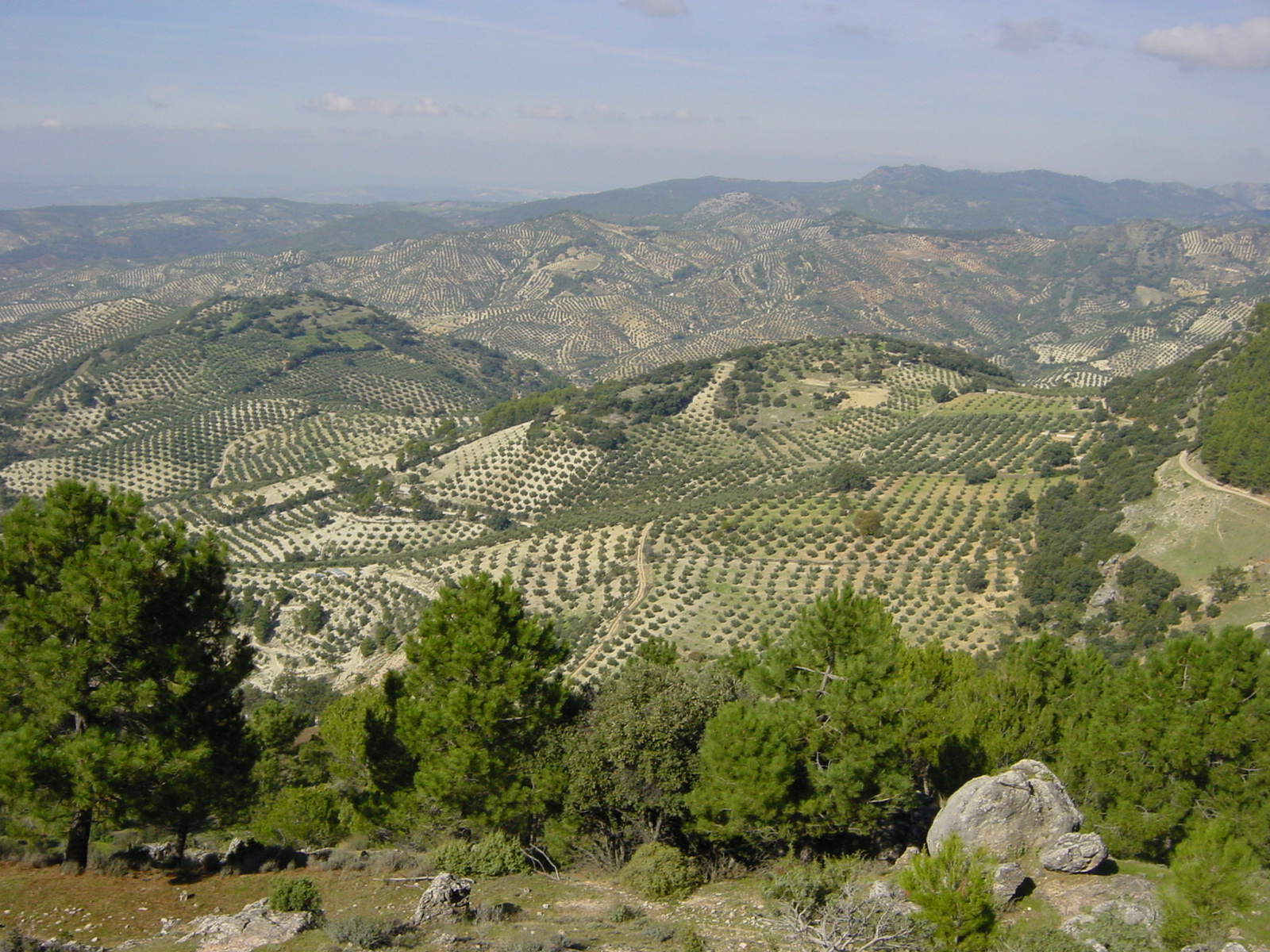
The olive oil harvest 2026 has started in Jaén with the early green pick, eight days before the Andalusian government publishes its first official forecast for the 2026/27 campaign on 29 September.
The bulk of the work still waits for November. What moves now is the early harvest, timed by fruit ripeness rather than by the calendar, and the source of the most expensive oil of the year.
What the olive oil harvest 2026 rests on
The only hard number before November is the oil already sitting in the tanks.
Rain, mostly. UPA Jaén calls the coming campaign medium-high and refuses to describe it as outstanding, because September rainfall decides whether what is hanging on the tree now fills out or shrivels.
Irrigated groves are in good shape, with fruit size and vegetative health both holding. Dry-farmed groves, the larger share of the province, are under real water stress and need precipitation to finish the fruit properly.
August already took a bite. Hail in municipalities including Cambil and Los Villares destroyed at least half the fruit in the worst-hit plots, according to the union.
Old oil still in the tanks
The province closed the last campaign below its own projection: roughly 400,000 tonnes of oil against the 475,000 forecast a year earlier. Mills were still holding 105,157 tonnes of it at the end of August, before the final campaign inventory was settled.
That carryover matters more than usual. Prices have stayed low since the previous crop landed, and the Spanish crop has been wobbling ahead of the new season without the market moving much either way.
UPA's other point is the one growers repeat every autumn: volume alone does not pay. Costs have risen, and a large crop at a low price leaves the same hole in the accounts as a small crop at a high one.
The Jaén aforo on 29 September puts the first institutional number on the table, and it is provisional by design: the weather between now and November can still move it. Until then the only hard figure is the oil already in the tanks.
Sources
- La Contra de Jaén (elDiario.es) · 2026-09-21
- El Debate · 2026-09-04
- Extra Jaén · 2025-09-30